
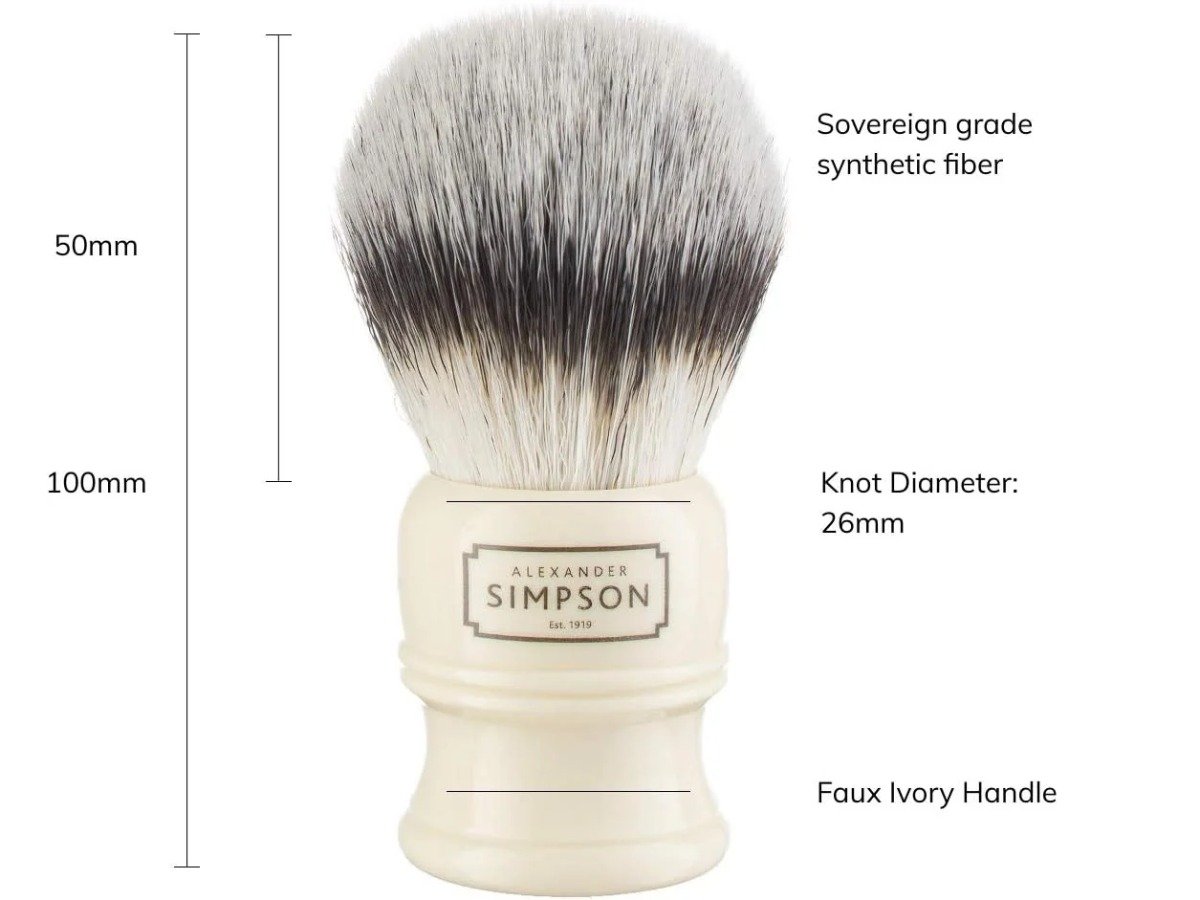
Shaving Brush Knot Size and Loft: How to Choose
What knot size and loft actually change, using figures Simpsons and Parker publish themselves, and how to measure a brush you already own.
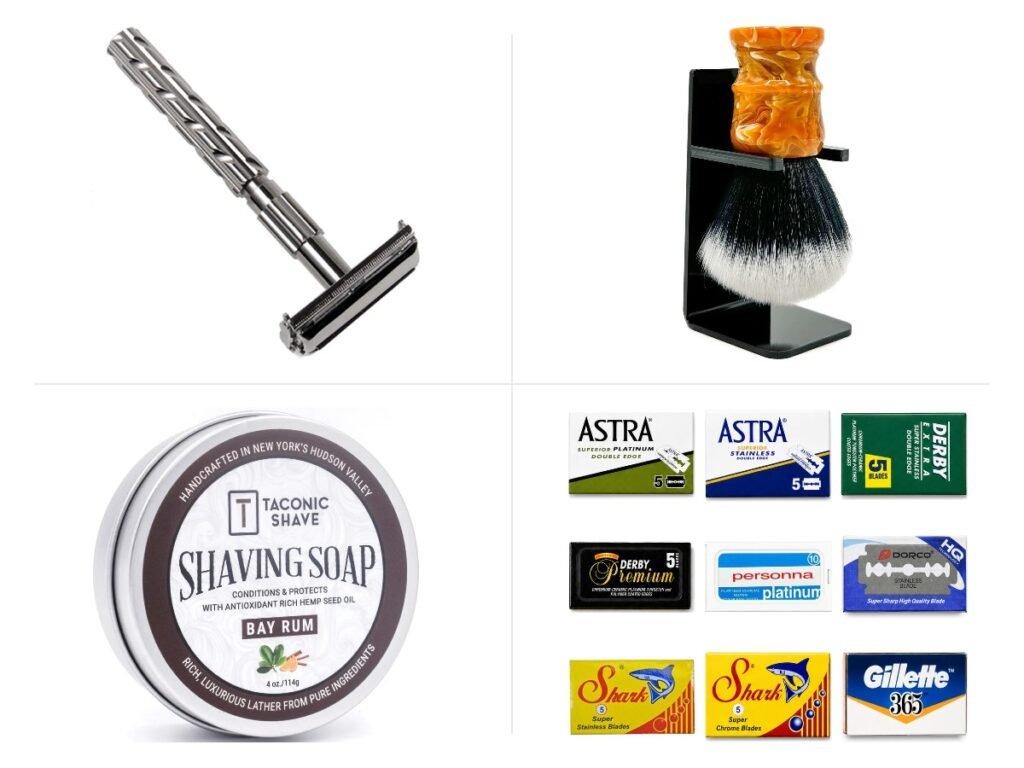
Most people come to double edge shaving by buying a razor, and then work out one purchase at a time that the razor was the easy part. A wet shaving starter kit is really four things, and only one of them is the razor. Get those four right and the rest can wait.
Everything named below is in stock here, and every measurement comes from the maker’s own published figures. Where a maker does not publish a number, this guide says so rather than filling the gap with a guess.
A razor. Blades. Something to make lather with, which means a brush. Something to make lather from, which means a soap or a cream. That is a complete kit. A bowl, an alum block, an aftershave, a stand and a blade bank are all useful, and none of them is needed on day one.
The order matters too. The razor is the purchase people agonise over and the blade is the part that changes the shave most, so it is worth spending more thought on a few dollars of blades than on the last ten dollars of razor.
The full fork is set out in how to choose your first safety razor, and there is no sense repeating it here. In short it comes down to two questions: butterfly or three piece, which decides how you load a blade, and open comb or closed comb, which decides how much blade meets your face.
Three razors in stock here cover most first-time buyers. These are Parker’s own published figures, and in each case the length is a total length including the head, not a handle length.
The Parker 29L butterfly razor is listed by Parker as butterfly open, 4.4 in, 2.9 oz, on a genuine brass frame with chrome plating. The Parker 22R is also butterfly open, 3 3/4 in and 3.4 oz, on a genuine brass frame with a gunmetal chrome plated finish. The Parker 111B is a three-piece double edge razor, 4 in and 3.0 oz, with a black resin handle and chrome trim.
If you have read the open comb article and decided that is what you want, the Parker 26C is a three-piece with an open comb head, 3 3/4 in and 3.4 oz, built on a genuine brass frame with a graphite dark gray electroplated finish. It is not the gentlest place to begin, which is exactly why the comb article is worth reading first. Why the frame material and the plating matter at all is covered in stainless steel vs plated safety razors.
What you can safely ignore for now is the adjustable razor. An adjustable is a good thing to own once you know what you are adjusting towards.
This is the single best piece of advice in any starter kit guide. Blades are not interchangeable, the differences between them are large, and no two faces agree on which one is best. Buying five packs of one brand before you have shaved with it is how people conclude that double edge shaving does not suit them.
A sampler solves it. The 50-count sampler covers Astra, Derby, Shark, Personna, Gillette and Dorco. The 60-count sampler adds Lord, Asco and 7 Days. The Gillette sampler runs 75 blades across 15 types if you would rather stay inside one maker’s range. More on how they work is in DE razor blade sampler packs, and how to choose the right safety razor blade goes into what actually differs between them.
Give each blade three shaves before you judge it, and write down the one that disappeared under the lather. No maker publishes a shave count, so the only honest guide to changing a blade is what you feel, which is covered in razor and blade care. If you are curious about the far end of the sharpness range, the sharpest double edge blades is the right article, though it is not where a first week belongs.
The brush carries the water. That is its job. It holds warm water in the knot, releases it into the soap, and gives you a lather you can actually shave with instead of a thin film. A cheap, floppy brush is the most common reason a beginner’s lather collapses halfway through the second pass.
A synthetic is the sensible default for a first brush. It needs no breaking in, it dries quickly, and it has no animal hair smell to work through. How to choose a shaving brush compares boar, badger and synthetic properly, and knot size and loft explains what the millimetre figures mean before you spend on them.
The Parker Solar Storm synthetic brush is unusually well documented for its price. Parker publishes a 28 mm synthetic tuxedo knot, a 52 mm loft, a 49 mm handle length and a 102 mm total length, on a marbled resin handle, with an acrylic stand in the box. That is a large, generous knot, and a 52 mm loft against a 28 mm knot is a brush that holds a lot of lather.
If you would rather start smaller and cheaper, the Omega 146113 Hi-Brush is an Italian-made synthetic that does the job. Omega publishes neither a knot diameter nor a loft for it, so no figures are quoted here. The wider range sits in synthetic brushes.
Badger can wait. It is a genuinely different feel and worth owning eventually, and silvertip vs pure badger is there when you get to it.
Soap or cream is mostly a question of how firm you like the product and how you prefer to load the brush, which shaving soap vs shaving cream works through. Format matters too: a puck lives in a bowl or mug, a stick rubs straight onto a wet face, and shave stick vs tub soap covers that choice.
Two pucks in stock here are worth a first-timer’s attention. The Parker Sandalwood and Shea Butter shave soap is published by Parker as a 3 inch round puck, 100 grams, made with Ethiopian shea butter, sandalwood, olive oil, aloe vera, cocoa butter, coconut oil and almond oil, and intended for use with a shave brush. The Taconic Bay Rum shaving soap is a large 4 ounce puck, 3 inches round by Taconic’s own figures, scented as traditional bay rum with hints of citrus and spice, and built on coconut, palm, safflower, olive, castor and unrefined hemp seed oils. It is handmade in upstate New York.
Here is the practical detail nobody mentions. Both pucks are 3 inches round, and Taconic says plainly that its puck fits any mug or bowl that accommodates a 3 inch round soap. So if you intend to keep the soap in a vessel rather than loading it from its own tub, check the vessel first. A 3 inch puck in a 2.5 inch bowl is a small, avoidable annoyance.
Italian soft soaps and creams behave differently again, and the Cella shaving cream with almond oil is the usual way into that style. If your lather keeps going thin and you live somewhere with hard water, read shaving lather and hard water before you blame the soap. The full range is in shave soaps.
You can build lather on your face with nothing but the brush and the soap, which is what bowl lathering vs face lathering is about. Many shavers find a bowl easier to learn in, because you can see what the lather is doing. The Goodfellas Smile shaving bowl has a textured interior that works the lather quickly, and how to choose a shaving bowl or scuttle covers the choice between materials and shapes. A mug from your kitchen also works for a first month.
An alum block and an aftershave do different jobs and alum block vs aftershave splash sets out where each sits in the routine. The Parker large alum block is published as a 125 gram, 4 ounce stone of 100 percent pure natural potash alum, in a plastic travel case. Parker’s own directions are simple: wet the block in cold water, rub it over the skin, wait about 30 seconds, then rinse. Some shavers like the tight, cool feel it leaves and use it after every shave. Others keep it for the days when the shave did not go to plan.
The finish you put on afterwards is a matter of taste and weather. Aftershave splash vs balm explains how the two feel different, and alcohol vs alcohol-free aftershave covers the other axis. If you pick the Taconic bay rum soap, the Taconic Bay Rum aftershave splash carries the same scent, which is a small pleasure. Everything else is in aftershaves.
This is the item every starter kit forgets, and it comes up in week two. A used double edge blade is a small piece of sharp steel that should not go loose into a bin bag. The Parker blade disposal bank holds approximately 300 blades, is all metal, measures approximately 2.75 by 2.75 by 2.8 inches, and has a removable lid so it opens at the top when it is eventually full. Those are Parker’s published figures for the 300-blade version.
What happens after that is local, not national. How to dispose of used razor blades links the municipal lookup tools for Quebec and Toronto rather than claiming a Canada-wide rule, because there is not one.
| Slot | Simplest start | The kit most people settle on |
|---|---|---|
| Razor | Parker 29L butterfly | Parker 22R or Parker 111B |
| Blades | 50-count sampler | 60-count sampler |
| Brush | Omega 146113 synthetic | Parker Solar Storm synthetic |
| Lather | Parker sandalwood puck | Taconic Bay Rum puck |
| After | Nothing, or cold water | Alum block and a splash |
| Add later | Bowl, blade bank | Stand, second soap, badger brush |
Both builds are complete kits. The difference is not quality of shave on day one, it is how long each piece stays interesting.
Skip the adjustable razor until you know what a mild setting feels like. Skip a premium badger brush until you know you enjoy the ritual rather than tolerating it. Skip pre-shave oil or gel for the first month, because a pre-shave is a refinement on top of a lather that already works, not a fix for one that does not. And skip a second razor. A different blade in the razor you own changes more than a different razor with the same blade.
Use less pressure than feels right, let the weight of the razor do the work, and hold the head at a shallow angle to the skin. Two passes are plenty: one with the grain, one across. Build the lather wetter than you think it should be, because a dry lather gives no glide. Rinse the razor, shake it dry and leave it somewhere it can air, which is the whole of razor and blade care.
Give it a month before you decide anything. The first three shaves teach you how much pressure you have been using for years without noticing. After that the kit above is most of what you will ever need, and the double edge razors, blade samplers and shaving brushes here are the places to refine it.
What knot size and loft actually change, using figures Simpsons and Parker publish themselves, and how to measure a brush you already own.
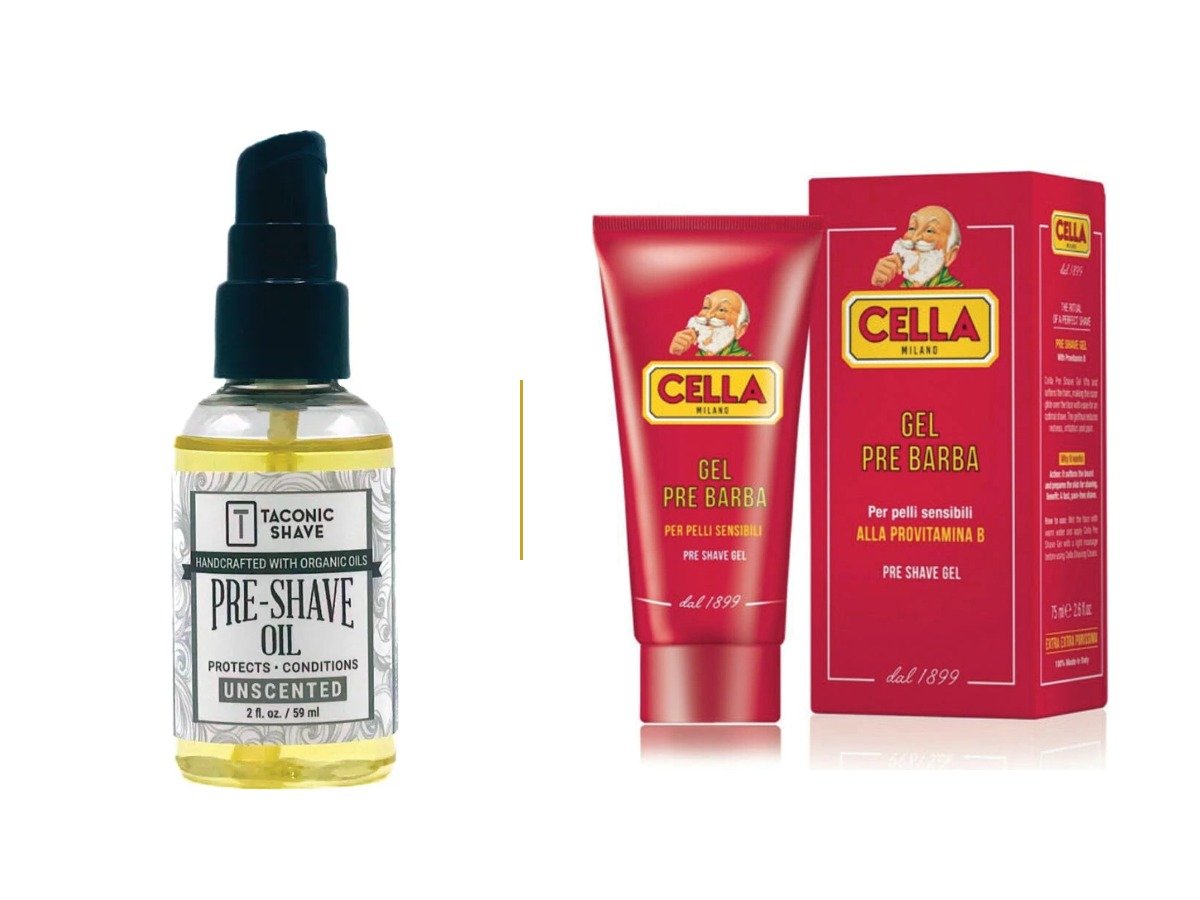
Pre-shave oil and pre-shave gel behave differently under lather. What each one does, how much you use, and which suits your soap and your water.
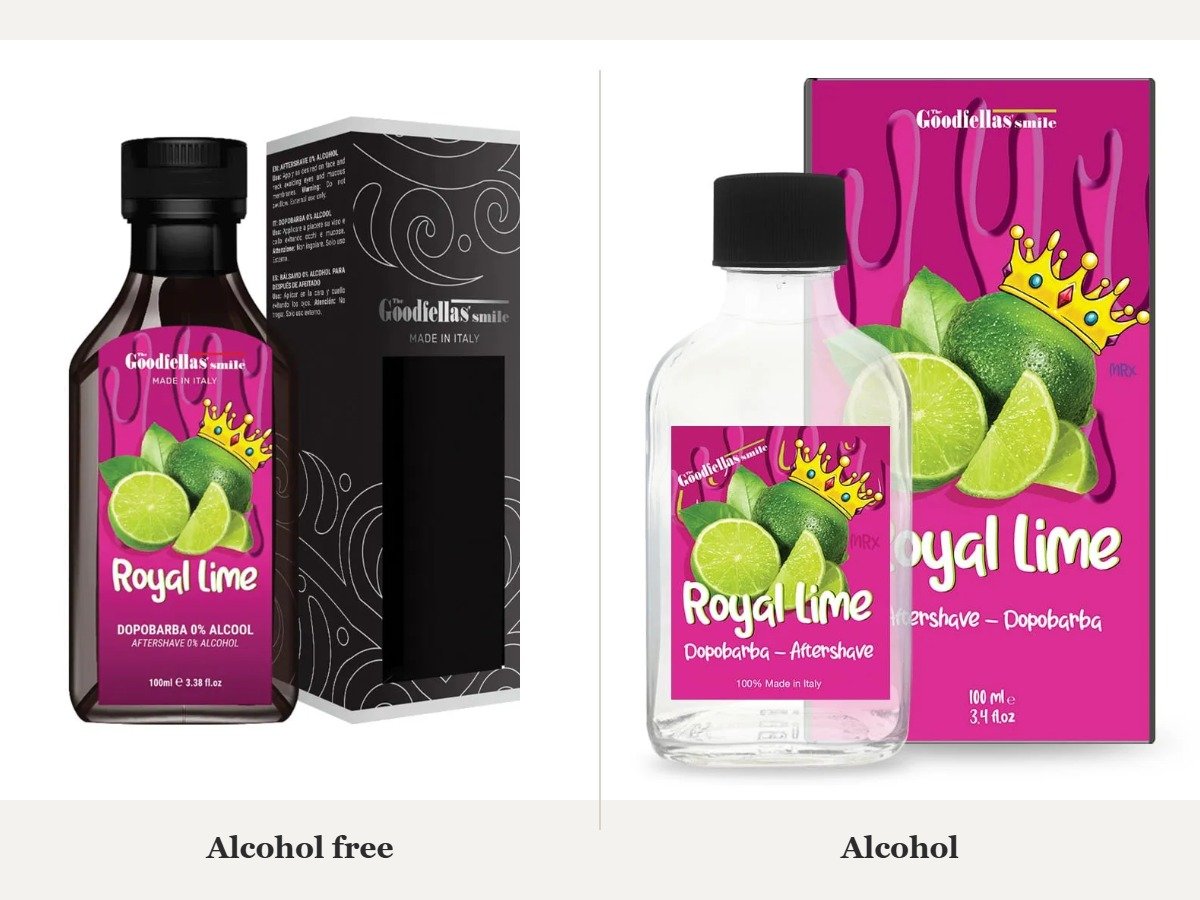
The same Goodfellas scent made both ways, plus Taconic and Cella, and how to pick the finish that suits your shave.