
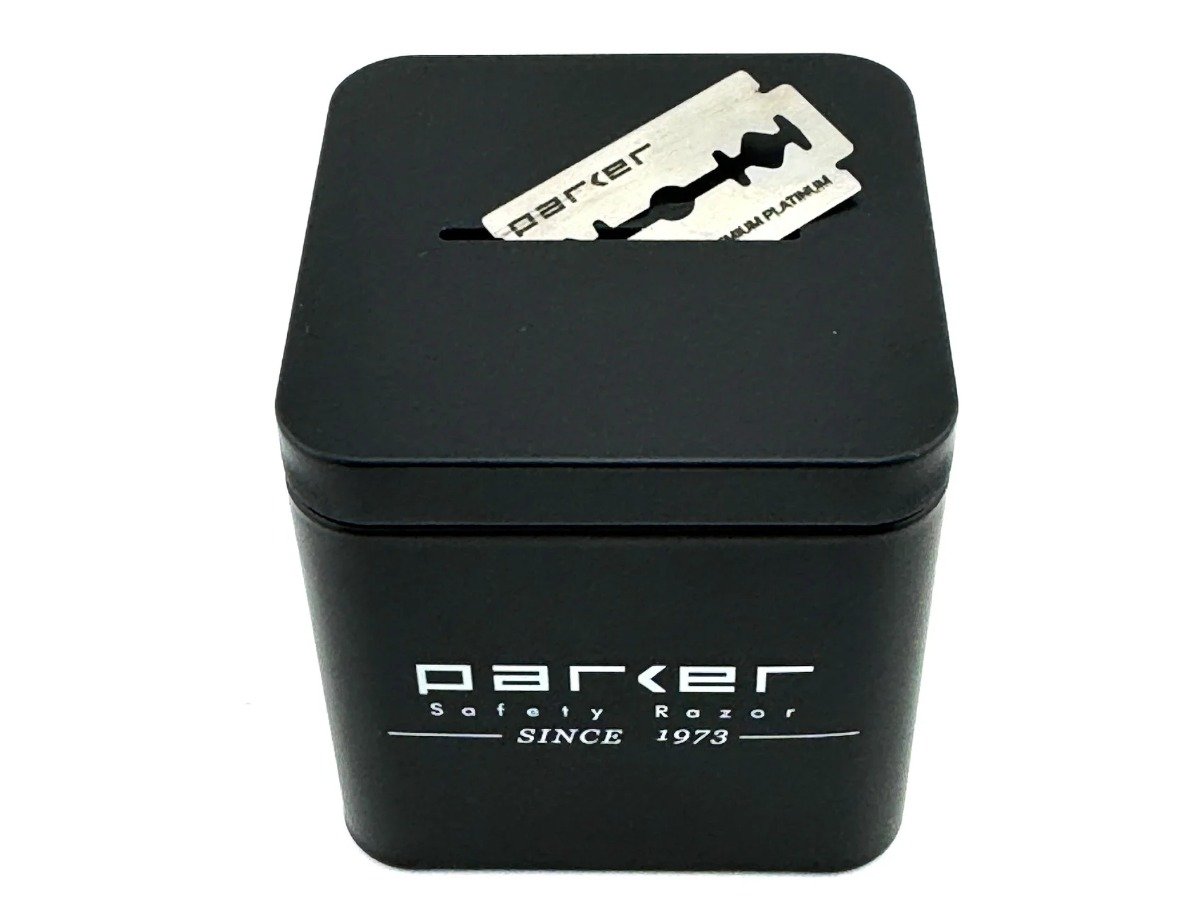
How to Dispose of Used Razor Blades Safely in Canada
A used double edge blade should never go loose into a bin or a recycling box. How a blade bank works, what the Parker 300 blade bank holds, and how to check the rule in your own municipality.
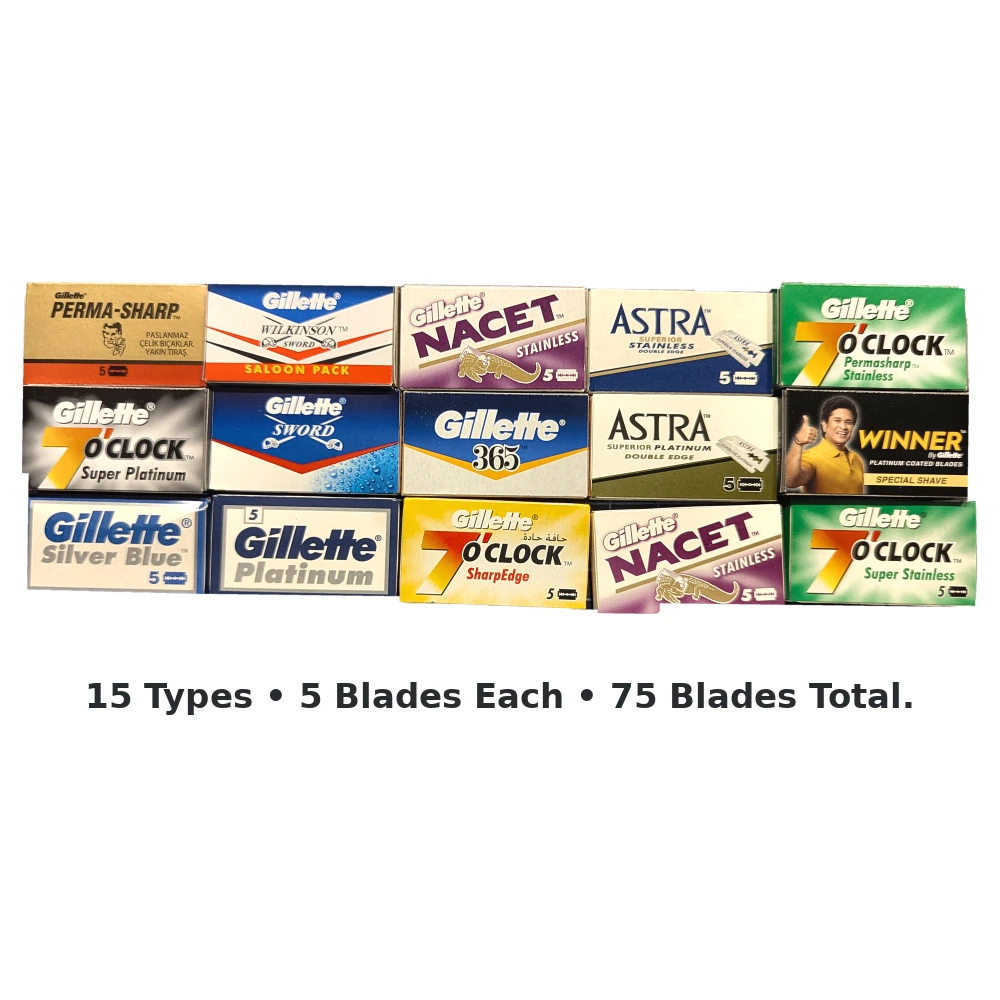
There is no best double edge blade. There is a blade that suits your razor, your beard and your technique, and the only way to find it is to try a few. Here is how to do that without wasting money.
The same blade behaves differently in different razors. A mild razor and a sharp blade can be an excellent pairing, while the same blade in an aggressive razor punishes any lapse in angle. Add beard thickness, water hardness and how many passes you take, and you have four variables. A list that ranks blades ignores all of them.
Look at any forum thread and you will find people who love a blade and people who cannot get on with it, both shaving carefully and both telling the truth.
These are the two axes that matter and they are independent.
Sharpness is how easily the edge cuts. A sharp blade needs less pressure and fewer passes.
Smoothness is how the edge feels travelling over skin. A blade can be very sharp and feel harsh, or slightly less keen and feel like nothing at all.
Beginners usually do better starting mid-range on both. Very sharp blades punish technique errors, and that is a discouraging way to start.
Almost every modern blade is stainless steel with something on the edge. Platinum, chromium, ceramic and PTFE all appear, sometimes in combination. The coating affects glide and how many shaves the edge stays comfortable for, rather than raw sharpness.
Carbon steel blades still exist and have their followers. They take a keen edge and rust quickly, so they want drying after every shave.
A sampler is the cheapest experiment in wet shaving. Instead of committing to a hundred of one blade, you get a handful each of several and find out what your razor likes.
Practical method: use one blade type for three shaves before judging it, change nothing else while you do, and write down which felt best. Three shaves is enough to separate the blade from a bad morning.
Browse the blade samplers. The Gillette sampler is a good one to start with because it shows how much variation sits inside a single brand name. We set out the testing method in more detail in how to choose and test a sampler pack.
If you are in your first month, begin with a mid-range blade in a mild razor, one pass with the grain, and no pressure. Work up to the sharper Japanese blades once your angle is settled. We compared two of them in Kai vs Feather, and the mid-range question in Feather vs Astra.
It varies more than any other question in shaving. Some people change every three shaves, some get well past a week. Change it when it stops feeling comfortable rather than on a schedule, and never try to squeeze one more shave out of a blade that is tugging.
Keep spare blades dry and in their wrappers. Used blades go in a blade bank or another puncture-resistant container, never loose in household rubbish.
Buy a sampler, try each blade for three shaves, keep notes, then buy a hundred of whichever one your razor liked. That is the whole method, and it costs less than one wrong bulk order.
The full double edge blade range is here when you know what you want.
A used double edge blade should never go loose into a bin or a recycling box. How a blade bank works, what the Parker 300 blade bank holds, and how to check the rule in your own municipality.
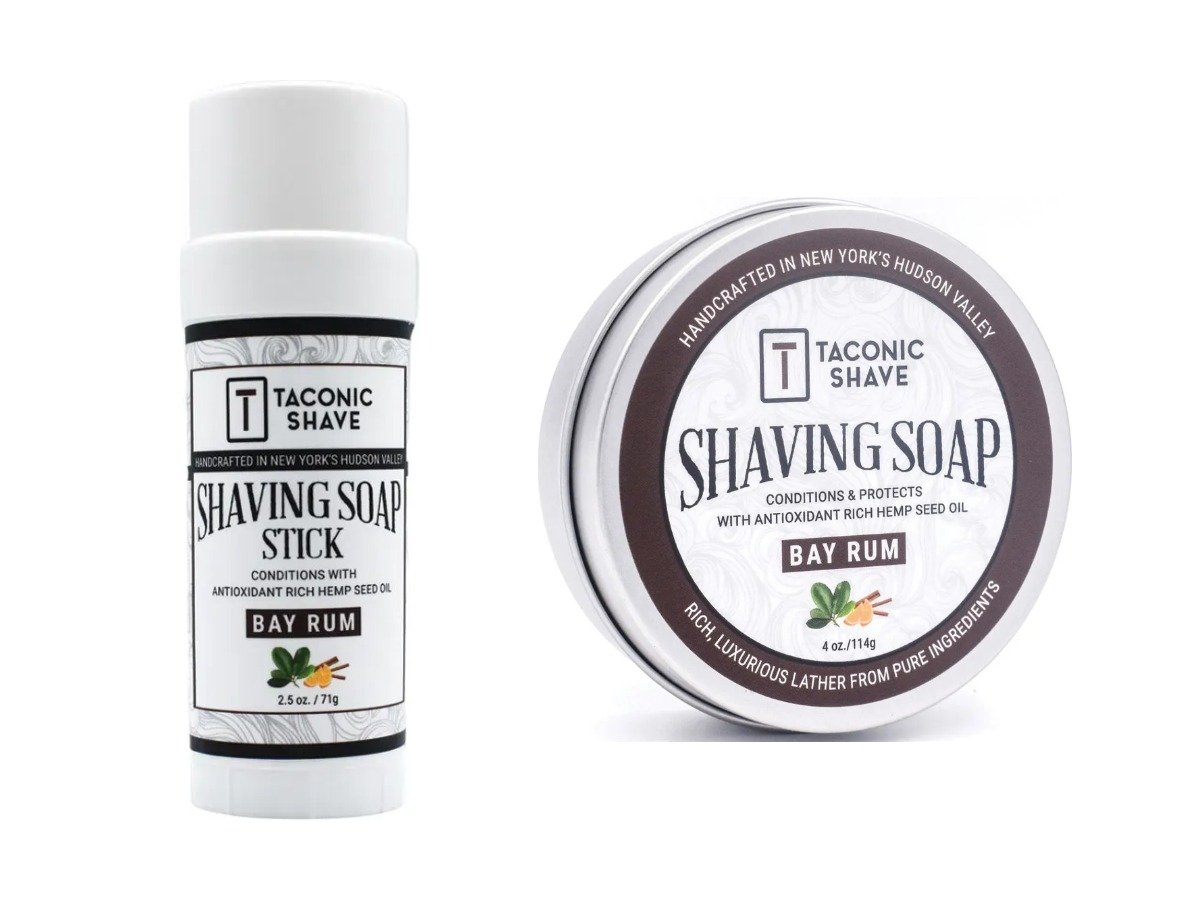
A shave stick and a tub of shaving soap can hold the same soap. What changes is size, lathering method, travel and choice.
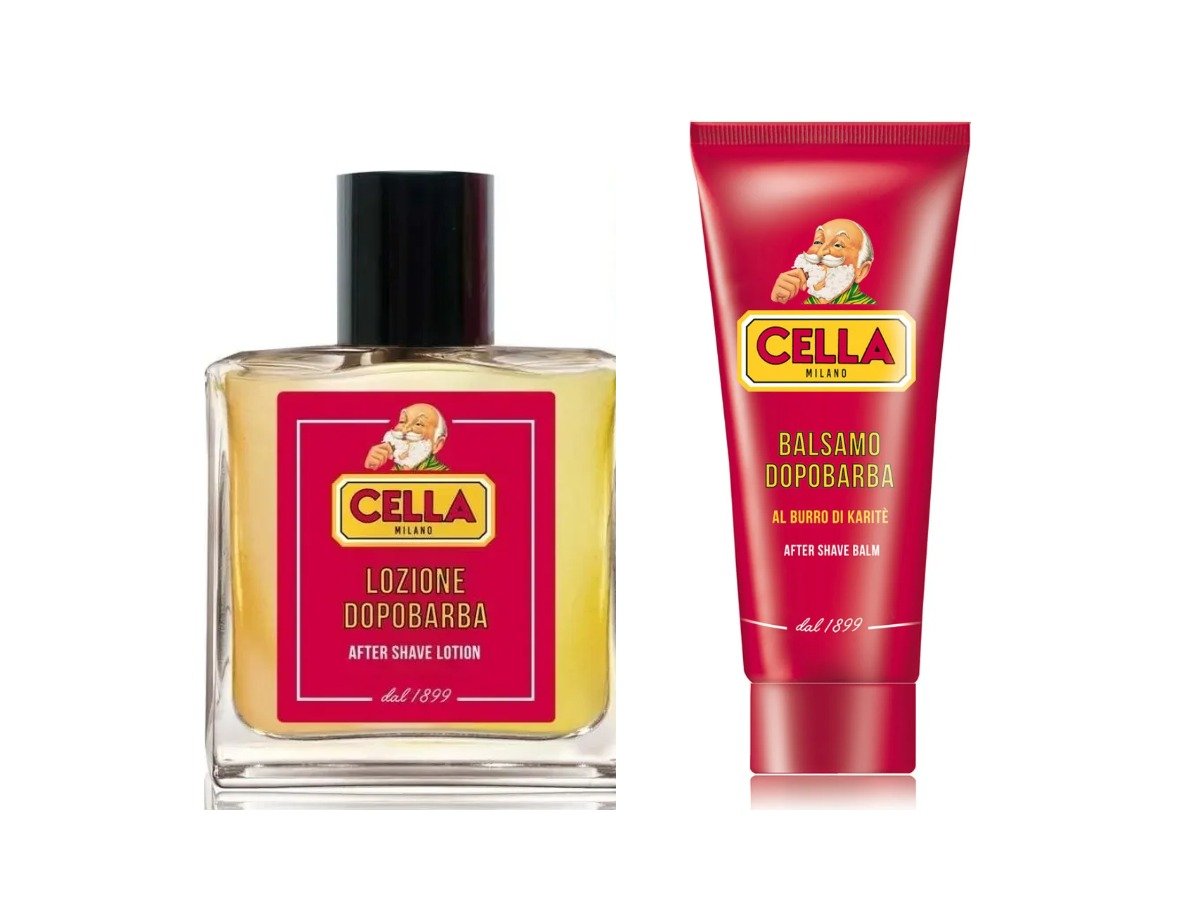
A splash is alcohol and evaporates in under a minute. A balm has none and stays. How the two differ, and when each one suits.