
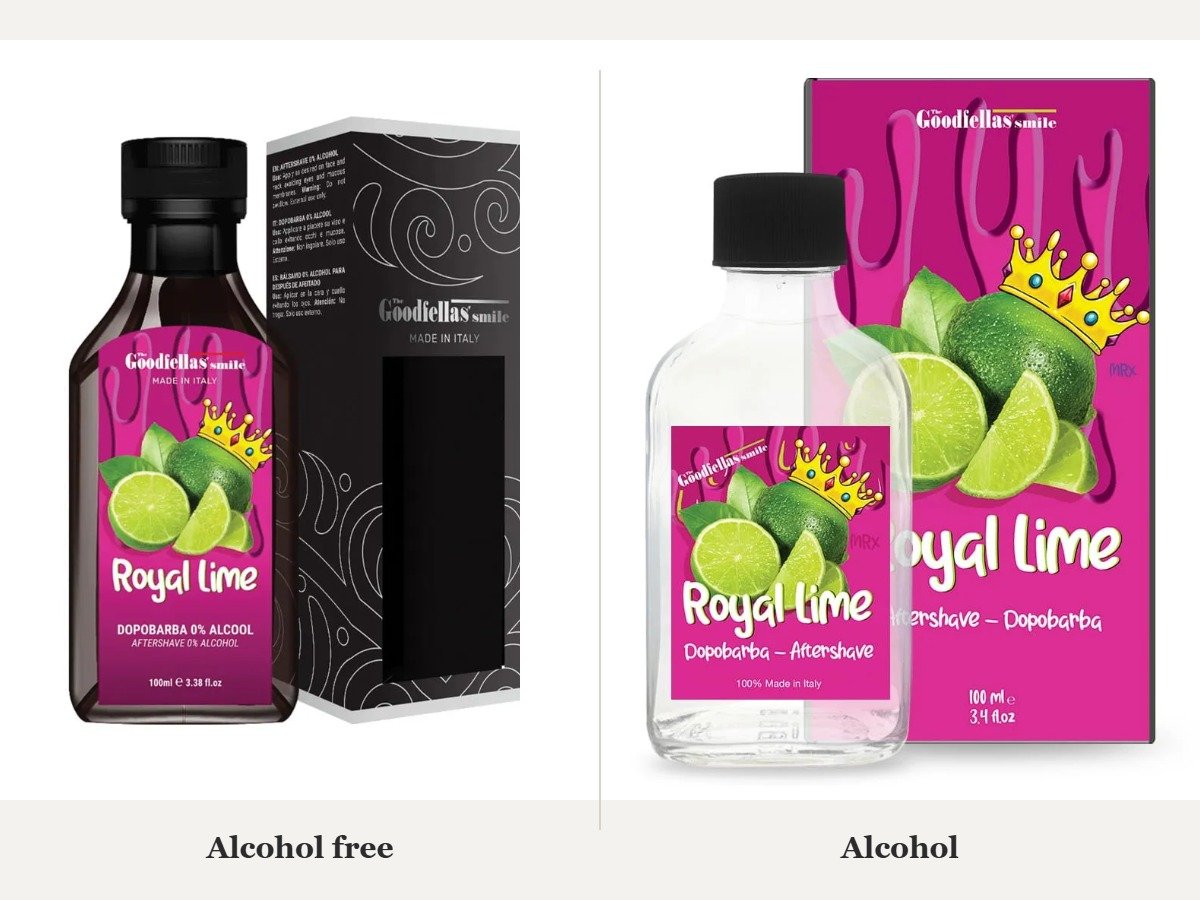
Alcohol vs Alcohol-Free Aftershave: How to Choose
The same Goodfellas scent made both ways, plus Taconic and Cella, and how to pick the finish that suits your shave.
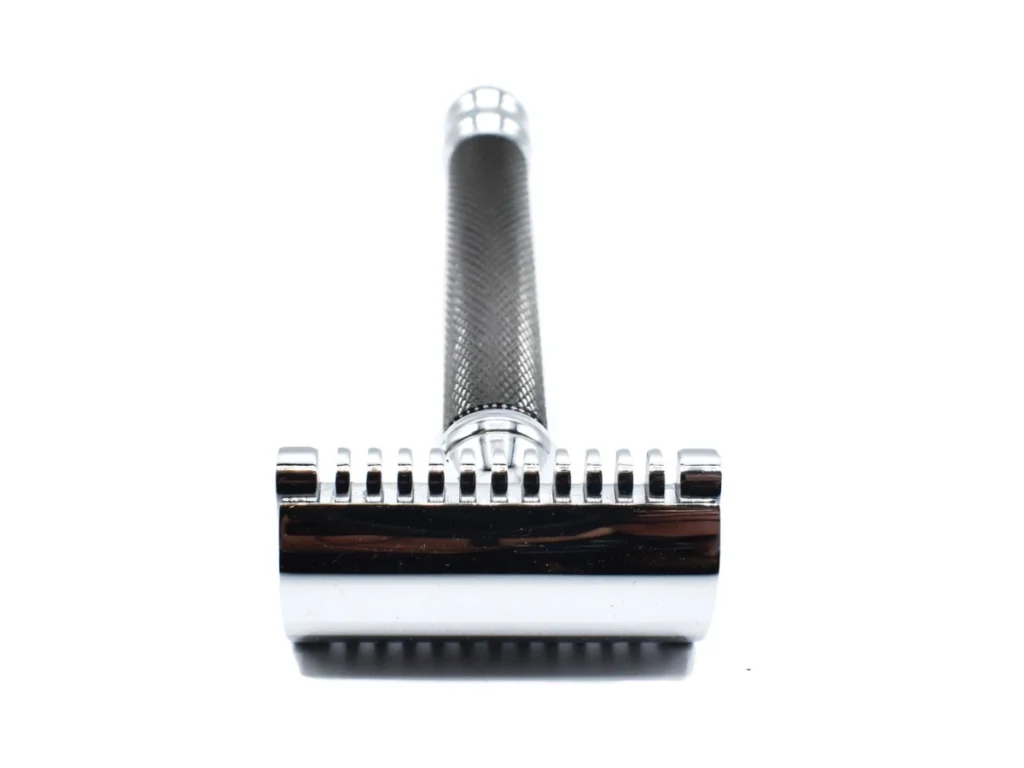
If you have shaved with a double edge razor for a while, sooner or later someone tells you that you need an open comb. It gets described as more aggressive, more efficient, better for heavy growth. Some of that is true and some of it is folklore. Here is what actually changes when you swap the comb, and how to work out which one suits you.
The comb is the bar that sits in front of the blade edge on a double edge razor. Its job is to flatten and guide the skin into the blade at a controlled angle, and to control how much lather and stubble get carried through to the cutting edge.
A closed comb uses a solid safety bar, usually with a shallow scallop or a straight edge. The skin is pressed flat across a continuous surface before it reaches the blade.
A open comb replaces that solid bar with a row of teeth. Between the teeth there is less bar holding the skin flat, and more lather and cut hair passes through instead of being pushed aside.
That is the whole mechanical difference. Everything else people say about the two designs follows from those two effects.
Closed comb razors make up most of the market and most of what we sell in double edge safety razors. The solid bar gives the blade a consistent presentation regardless of how carefully you hold the razor, which makes the shave more forgiving of a slightly wrong angle or too much pressure.
If you are coming from cartridges, a three piece closed comb razor is the sensible first purchase. You are learning angle, pressure and mapping your own growth all at once, and a forgiving razor lets you make those mistakes cheaply.
Closed comb does not mean mild. Blade gap and blade exposure matter far more than the comb type. A closed comb razor with a wide gap can be considerably more efficient than a conservative open comb.
Open comb razors do two useful things. They clear thick lather and long stubble without clogging, which is why they suit people shaving after several days of growth. And they give more feedback, because you can feel the teeth tracking across the skin.
The trade off is that the razor is less tolerant of pressure. With less bar holding the skin flat, leaning on the handle brings more blade into contact than you intended. That is where the reputation for aggression comes from. It is less about the design being harsh and more about the design not protecting you from your own technique.
If you shave every day and your growth is fine, an open comb usually gives you nothing you were missing. If you shave twice a week, have coarse growth, or find that a closed comb clogs and needs constant rinsing, it is worth trying.
Two other designs come up in the same conversation.
A slant holds the blade at an angle so it slices rather than chops. It tends to feel efficient on coarse growth without needing a large blade gap. Slants are available in both open and closed comb versions, so slant and open comb are not the same thing.
An adjustable lets you change the blade gap with a dial. If you cannot decide, an adjustable is the honest answer: you can run it mild for a daily shave and open it up when you have let the beard grow. The Parker Variant and similar adjustables in our razor range cover this.
Not by itself. Closeness comes from the blade reaching the base of the hair, and that is mostly a function of blade sharpness, blade angle and the number of passes you make. An open comb can make a single pass more efficient on heavy growth, which can mean fewer passes for the same result. That is a real benefit, but it is not the same as the razor cutting closer.
Plenty of people get their closest, most comfortable shaves from a mild closed comb razor and three careful passes.
This is the part beginners tend to skip. The difference between a Feather and a Derby in the same razor is usually larger than the difference between an open and closed comb using the same blade. Sharpness, coating and edge geometry vary a lot between brands, and preference is genuinely personal.
Before spending money on a second razor, spend a fraction of it on a blade sampler and work through five or six brands in the razor you already own. Some people who think they need a more aggressive razor turn out to want a sharper blade instead. Our full double edge blade range runs from very mild to very sharp.
A short version:
For the wider context on how head geometry affects a shave, the Badger & Blade wiki is the community reference most shavers use.
Whichever comb you use, the razor should rest on the face under its own weight. If you are pushing, the design of the comb stops mattering and the blade starts doing damage. Let the weight of the head do the work, keep the angle shallow, and shave with the grain on the first pass before you try anything closer.
Get that right and both designs will treat you well. Get it wrong and neither will.
Razors mentioned in this guide:
Still deciding between a razor that is set at the factory and one you can dial in? See adjustable vs fixed safety razors.
New to traditional shaving? Start with how to choose your first safety razor, which takes all five decisions in order.
The same Goodfellas scent made both ways, plus Taconic and Cella, and how to pick the finish that suits your shave.
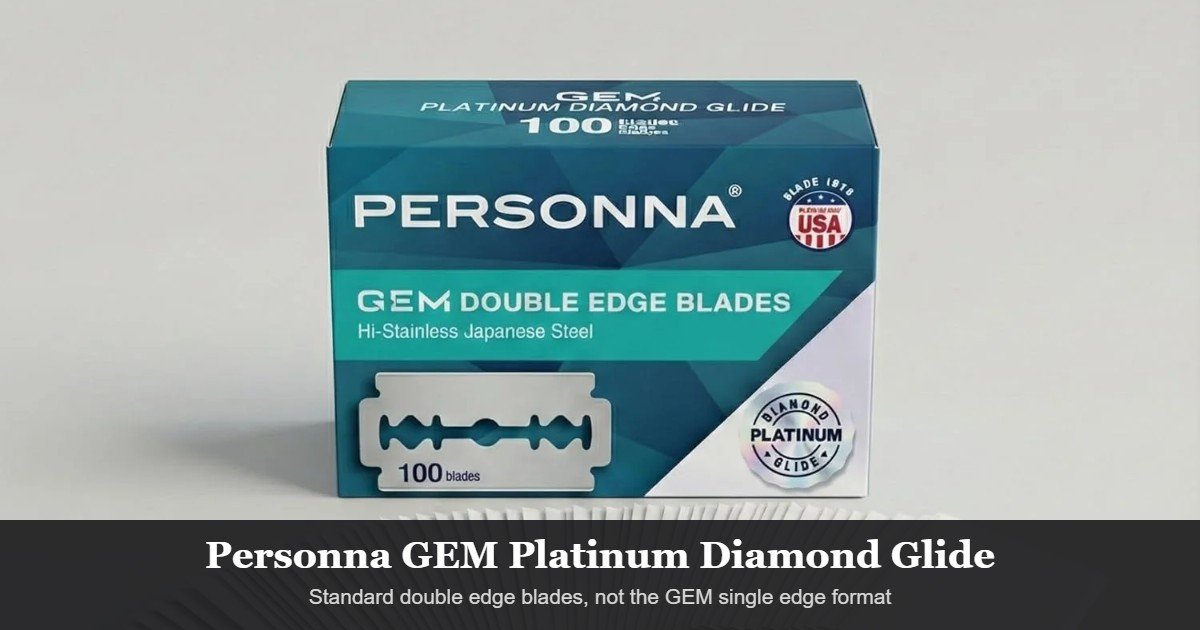
What the Personna GEM Platinum Diamond Glide actually is, what its carton says, and what wet shavers on both sides are saying.
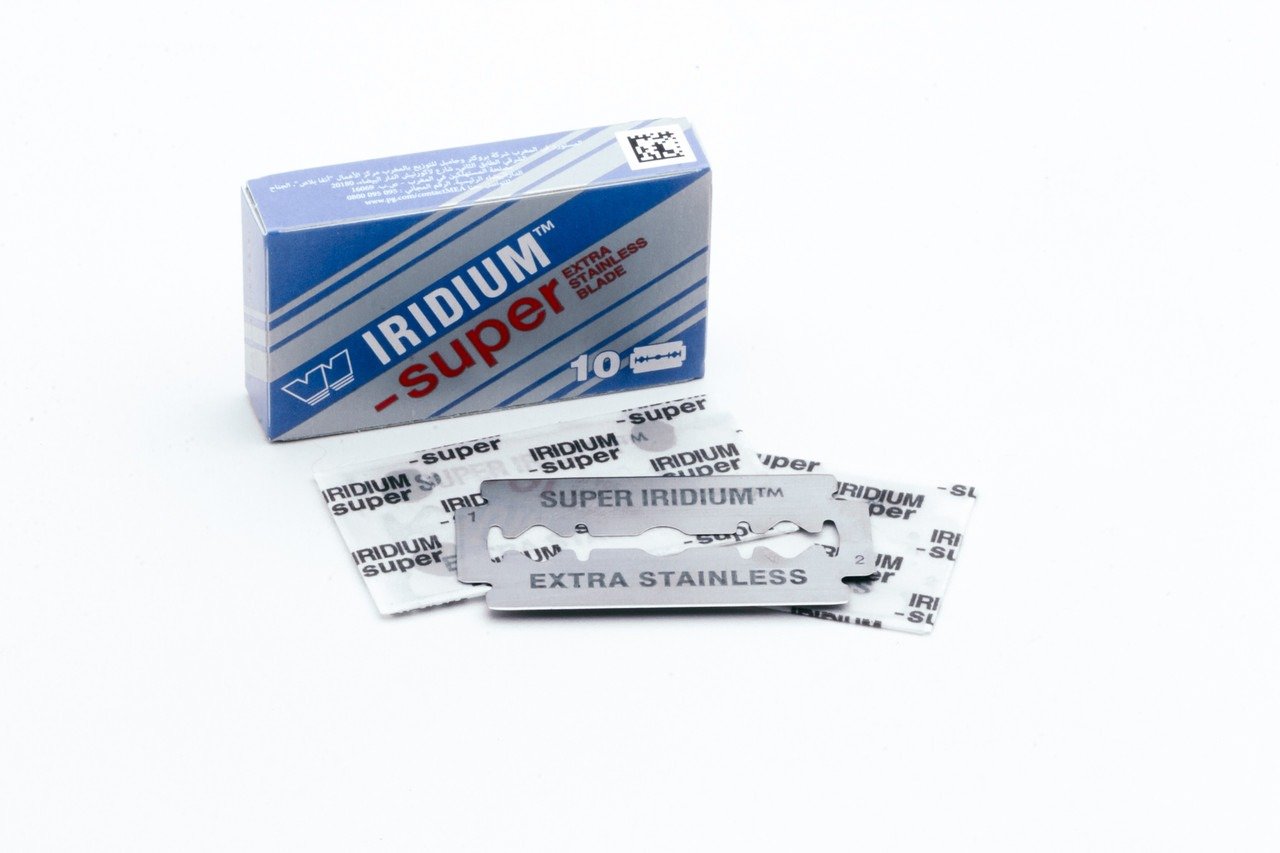
Wizamet Super Iridium has one of the most loyal followings in wet shaving. What experienced shavers actually say about it, where it is made, how it compares to Feather, Nacet and Astra, and why not everyone agrees.