
Alcohol vs Alcohol-Free Aftershave: How to Choose
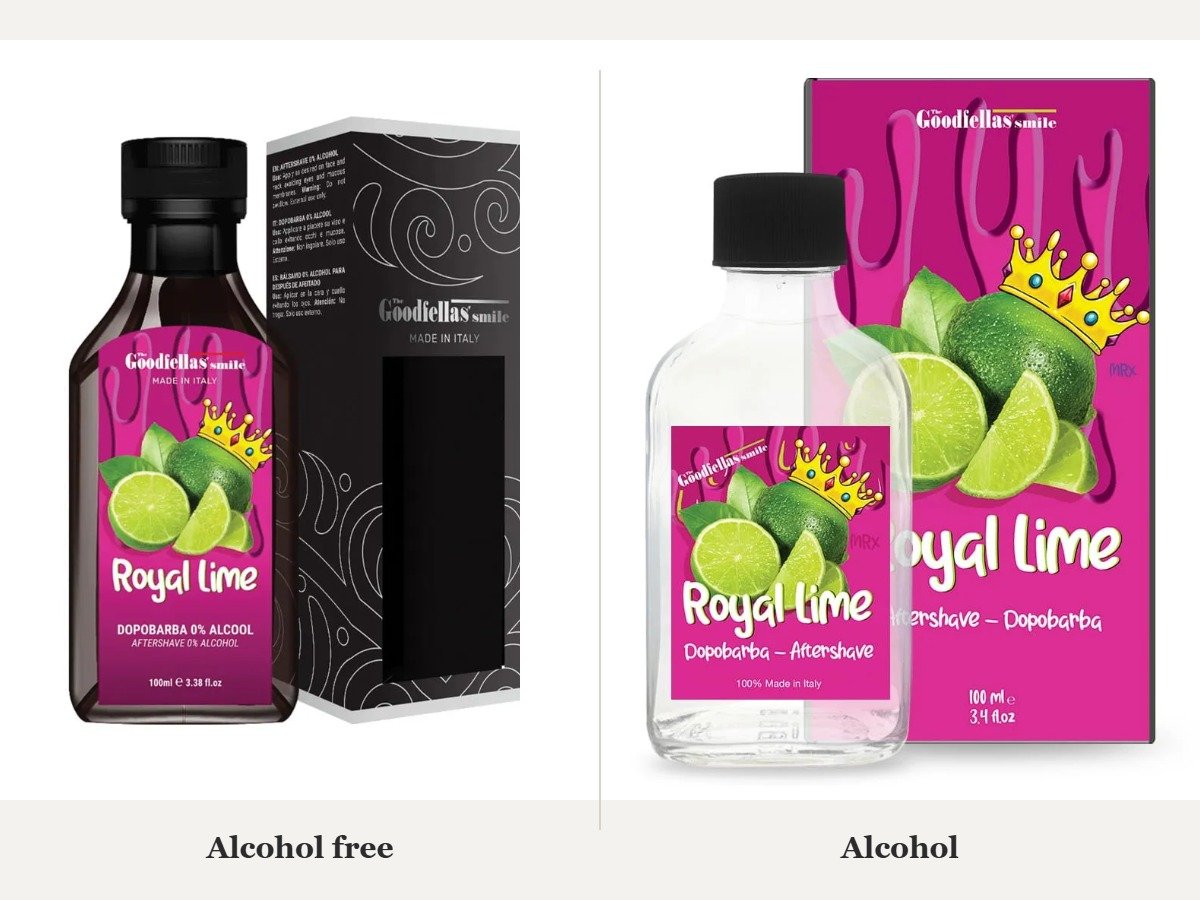
The same Goodfellas scent made both ways, plus Taconic and Cella, and how to pick the finish that suits your shave.
Both are made in Japan. Both have a reputation for sharpness. They cost roughly the same. And they are not the same blade at all.
If you have already read our comparison of Feather versus Astra, this is the next question along: once you have decided you want a Japanese blade, which one?
Feather is the reference point for sharpness in double edge shaving, and it is the one people either love or find unforgiving. Kai is the quieter option: Japanese made, genuinely sharp, and generally described as a shade more comfortable on the face.
If you have never used a Japanese blade, Kai is the gentler introduction. If you already know you want the sharpest edge you can buy, Feather is what you are looking for.
Feather has been making razor blades since 1932 and surgical blades since 1969, and it still makes both. That is unusual. Most shaving brands make shaving products; Feather makes scalpels in the same company.
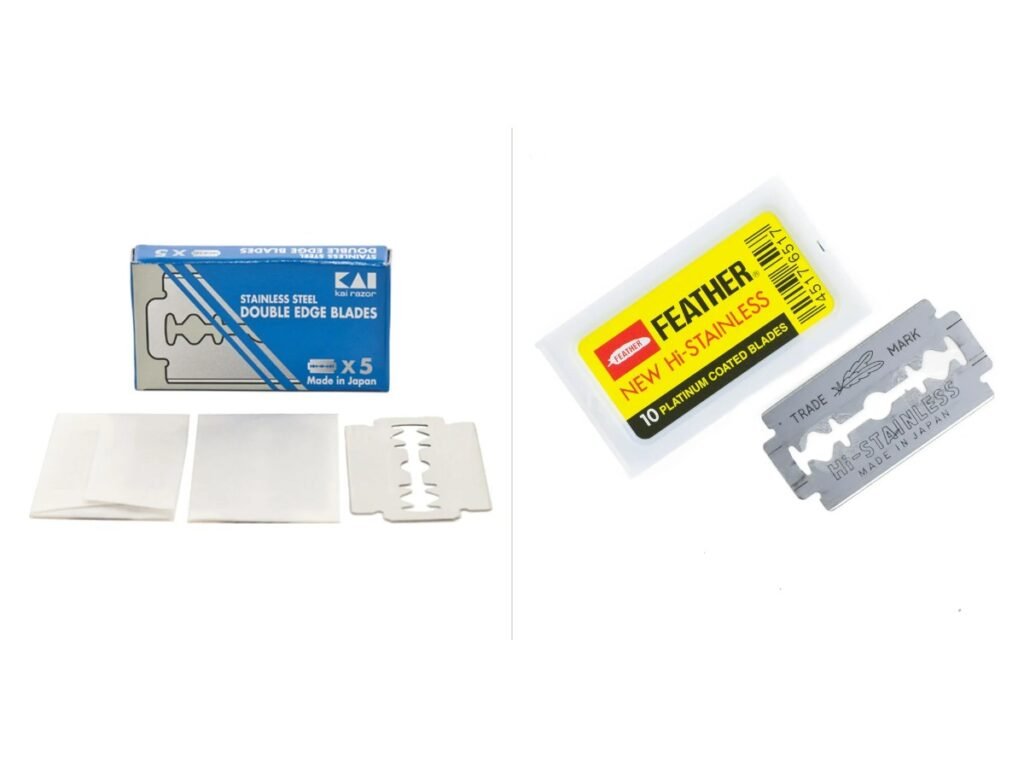
Feather Double Edge Razor Blades are the New Hi-Stainless: platinum-coated stainless steel, ten individually wrapped blades to a pack, $6.45.
Kai is older and came at blades from a different direction. Saijiro Endo began making folding knives in Seki in 1908. The business was formalised in 1920, and in 1932 it produced the first replaceable blade razor made in Japan.
Seki itself has been a blade town since the fourteenth century, when it was known for swordsmiths. Kai is a cutlery house that also makes razor blades, rather than a razor company that also makes knives.
KAI Stainless Double Edge Blades are stainless steel, individually wrapped, and sold loose in bulk rather than in retail packs, from $3.49.
This is the part most comparisons skip. Feather comes in a retail pack of ten. Kai is sold loose, individually wrapped, and you choose how many you want: five, ten, fifteen, twenty, twenty-five, fifty or a hundred.
That matters in two ways. If you want to try a Japanese blade without committing, you can buy five Kai. If you have settled on one and shave every day, you can buy a hundred at once and not think about blades again for a year.
It also means the two are not directly comparable on shelf price. Compare cost per blade at the quantity you would actually buy, not the number on the front of the listing.
Carefully, because this is where opinion gets stated as fact.
What can be said from the specifications: Feather is platinum coated, Kai is stainless. A coating changes how the edge meets hair and how it behaves as it wears, which is why coated and uncoated blades from the same country can feel quite different.
What shavers consistently report: Feather is at the sharp end of everything available, and it punishes a bad angle. Kai is sharp but more forgiving of one. Neither of those is a measurement, and both are common enough in shaver reports to be worth repeating with that caveat attached.
What decides it for you is your razor. A sharp blade in an efficient razor is a lot of blade. The same blade in a mild razor can be excellent. Our guide to open comb versus closed comb covers the head geometry side of that, and butterfly versus three piece covers what the mechanism does not change.
One blade per week, same razor, same soap, same number of passes. Change only the blade. A week gets you past the novelty of a fresh edge and onto shave three and four, which is where blades actually separate.
If you would rather not buy two full quantities, a sampler does the job. Our 50-count sampler includes Feather alongside four reference blades, and we have written about running that test properly so the result tells you something.
Very. When shavers rank double edge blades by sharpness, Kai usually lands in the same top group as Feather, which is why the two are compared so often. The difference is in the feel: Kai is generally described as a touch smoother and more forgiving, Feather as the keener and less forgiving edge. Neither maker publishes a sharpness figure, so these are shaver reports rather than measurements, and your razor, prep and technique change what you feel.
| Kai | Feather | |
|---|---|---|
| Made in | Japan | Japan |
| Steel | Stainless | Platinum coated stainless (Hi-Stainless) |
| How we sell it | Loose bulk blades | 10 individually wrapped blades per pack |
| Usually described as | Sharp, a little more forgiving | Very sharp, less forgiving |
A Japanese blade is a precision edge and the coating on it is microns thick. Keep spares wrapped and out of the bathroom, and rinse and dry the razor after every shave. Our guide to razor and blade care is the whole routine, and it takes about thirty seconds a day.
Both blades, and the rest of the range, are in double edge blades. Shipped from Montreal.
Sharpness, smoothness and comfort are subjective and vary with your razor, beard, skin, preparation and technique. Prices correct at the time of writing.
The two blades compared:
The same Goodfellas scent made both ways, plus Taconic and Cella, and how to pick the finish that suits your shave.
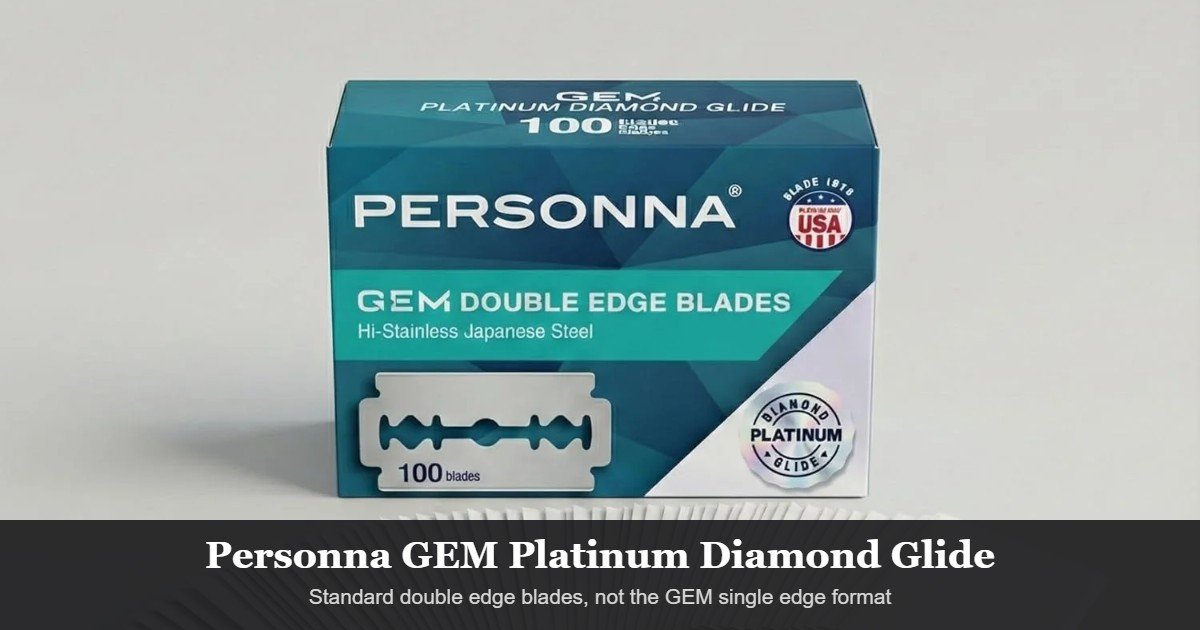
What the Personna GEM Platinum Diamond Glide actually is, what its carton says, and what wet shavers on both sides are saying.
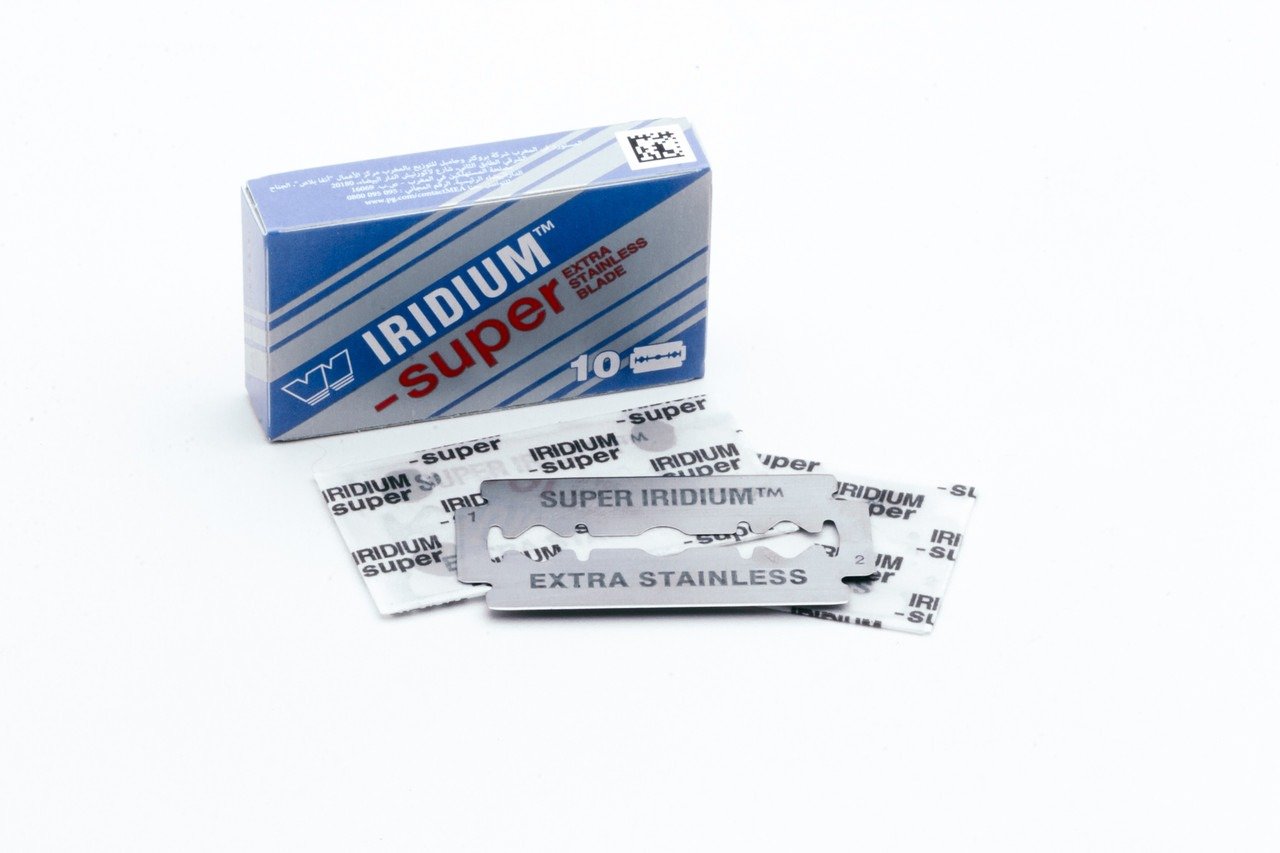
Wizamet Super Iridium has one of the most loyal followings in wet shaving. What experienced shavers actually say about it, where it is made, how it compares to Feather, Nacet and Astra, and why not everyone agrees.