
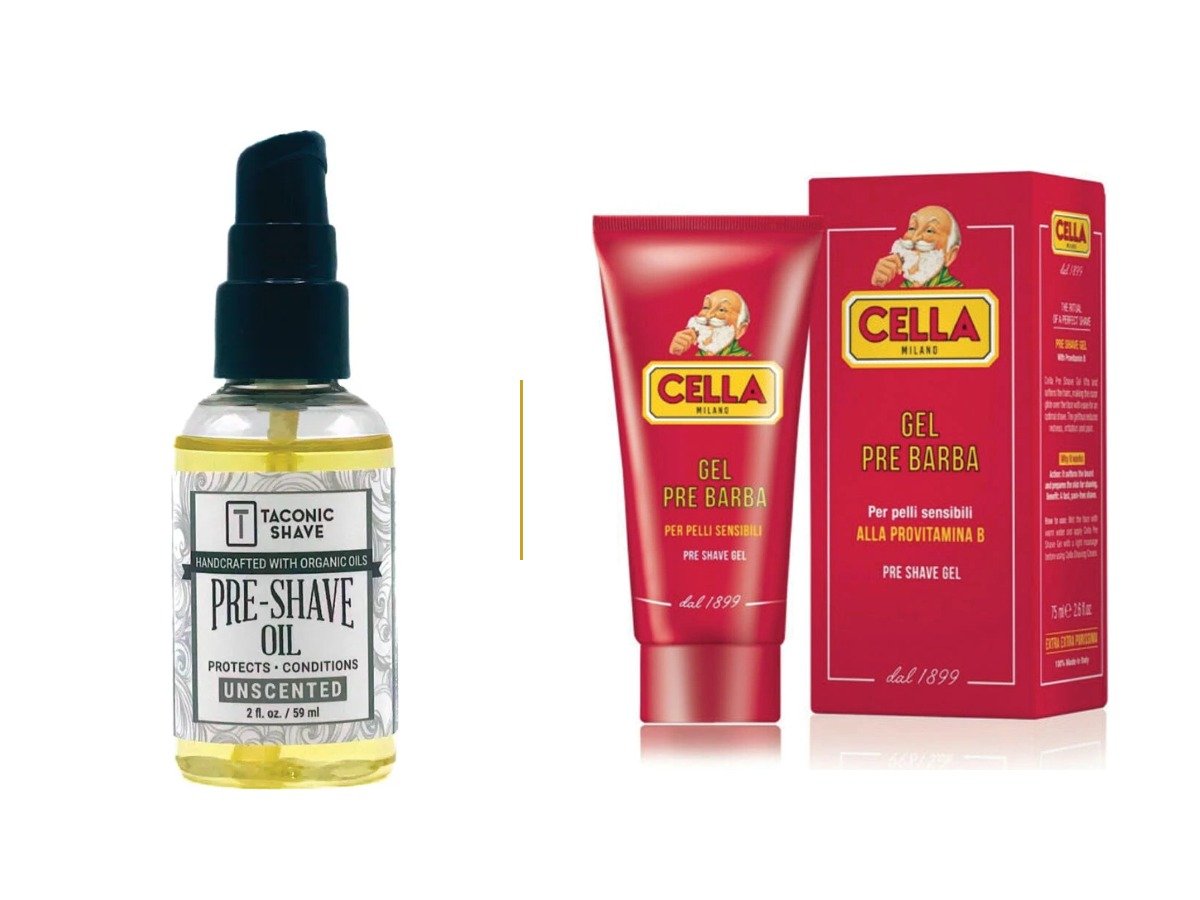
Pre-Shave Oil vs Gel: Which One Belongs in Your Routine
Pre-shave oil and pre-shave gel behave differently under lather. What each one does, how much you use, and which suits your soap and your water.
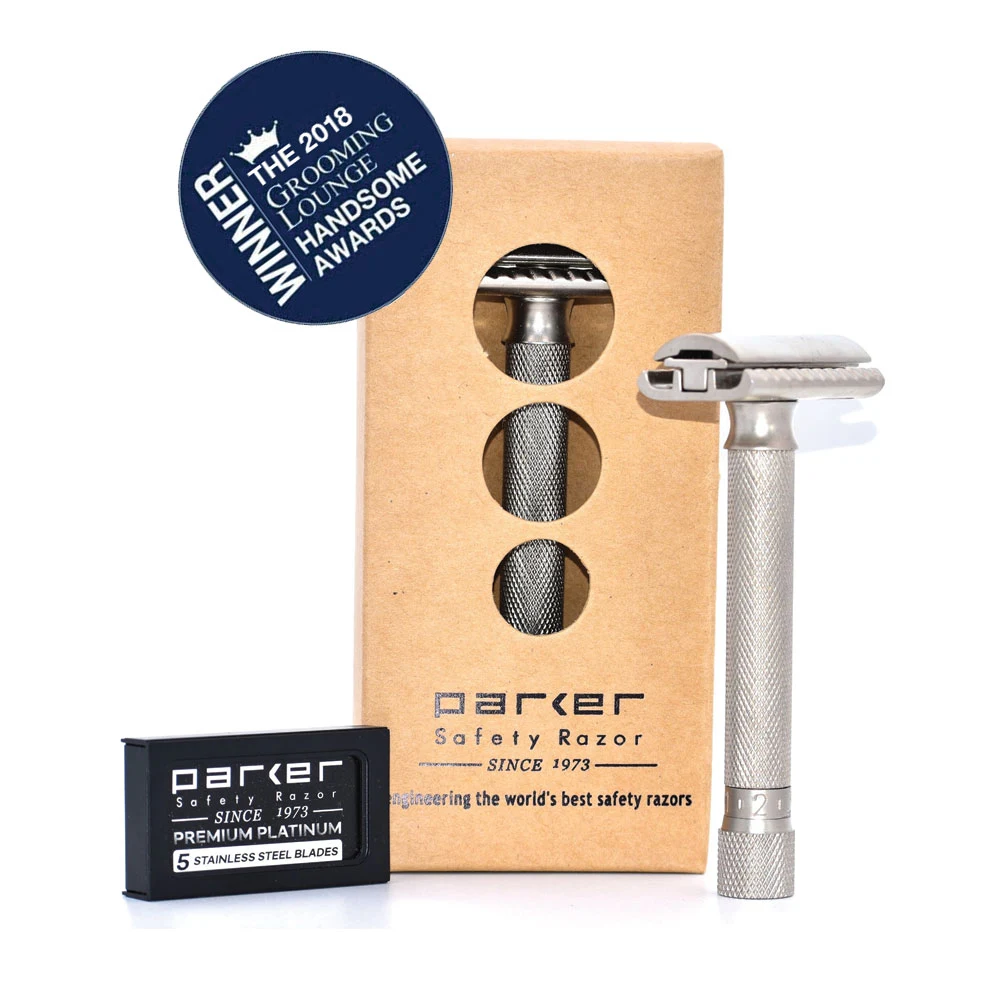
An adjustable razor lets you change how much blade meets your face. A fixed razor is set at the factory and stays that way. That single difference changes what you buy, how long it takes to find your setting, and what happens when your beard or your technique changes.
Buy a fixed razor if you want one known quantity and you are happy to change blades rather than settings. Buy an adjustable if you shave several people’s worth of beard on one face, if your growth varies through the week, or if you would rather dial the razor in than buy a second one later.
Neither is better. An adjustable is a wider tool. A fixed razor is a sharper one.
On a double edge razor, the two numbers that matter most are blade gap and blade exposure. Blade gap is the distance between the edge of the blade and the safety bar or comb. Blade exposure is how far the edge sits above or below the line between the cap and the bar. A wider gap lets more lather and stubble through and generally feels more efficient and less forgiving. A narrower gap feels milder.
An adjustable razor moves one or both of those numbers mechanically. On the Parker Variant that is a dial at the base of the handle with settings from 1 to 5, 1 being the mildest and 5 the most aggressive. You turn the dial, the head geometry changes, and the same razor with the same blade behaves differently.
Parker publishes the Variant at 4 oz, 110 g, and 4 inches of overall length, on a genuine brass frame. The satin chrome version and the graphite and rose gold finishes are the same razor underneath. There is also an open comb Variant if you want the comb head and the dial together.
One honest note. Parker publishes the setting range but not a millimetre figure for the gap at each setting, so anyone quoting you an exact blade gap per setting is estimating. What Parker does state is the direction: 1 mild, 5 aggressive, and a dial that changes the blade angle at the bottom of the handle.
Fixed razors are where the published numbers live. The Parker Flight is 110 g with a 0.60 mm blade gap, a 45 degree blade angle and 0.015 mm of positive exposure. The Parker AeroShave is 39 g with a 0.59 mm gap and the same angle and exposure. Those two razors have blade gaps one hundredth of a millimetre apart and weights nearly three times apart, which is a useful reminder that weight and aggression are not the same thing.
A fixed razor also has fewer parts. The Parker 22R is 3.4 oz on a genuine brass frame, 3 3/4 inches of overall length, gunmetal chrome plated, with a butterfly head that opens with a twist. Nothing to set, nothing to drift, nothing to reassemble in a different position than last time.
Three situations, in our experience of what customers come back and tell us.
Your growth is not the same every day. Two days of stubble and five days of stubble are different shaving problems. A dial handles both without a second razor.
You are still learning. Starting on 1 or 2 while your angle and pressure settle, then opening up as your technique improves, is a gentler path than buying mild and replacing it in six months.
More than one person uses the razor. A coarse beard and a pair of legs want very different settings, and a dial is quicker than a second razor in the cabinet.
If you already know what suits you, adjustability is a feature you will set once and never touch. A fixed razor at the right gap will usually be lighter in the hand, simpler to clean, and cheaper to replace if it goes missing in a suitcase.
Fixed razors are also easier to compare against each other, because the published gap and exposure figures let you line them up before you buy. Our guides to open comb versus closed comb and butterfly versus three piece are the two decisions that matter most once you have ruled adjustability in or out.
Adjustability is not only a double edge idea. The Parker Adjustable Injector is 35 g and 126 mm long, in stainless steel with a ridged grip, and it carries the same 1 to 5 dial on a single edge injector head. Setting 1 is the minimal gap, setting 5 the widest. It ships loaded with 20 injector blades.
Injector blades are not interchangeable with half double edge blades, which catches people out. We explain the difference in single edge razor blades, half-DE versus injector.
A dial changes the razor. It does not change the blade, the lather or the pressure, and those three account for a great deal of what most people are unhappy about.
If your shave is tugging, try a different blade before you touch the dial. A sampler pack will tell you more in two weeks than a month of setting changes. If your lather goes thin and grey, the water may be the problem rather than the soap, which we cover in lathering in hard water.
Choose adjustable if your beard or your household varies, if you are still finding your technique, or if you would rather own one razor that can move than two that cannot.
Choose fixed if you know the gap that suits you, you want the lightest simplest tool that does that job, or you would rather put the difference into blades, a better brush or a soap you actually enjoy.
If the choice you are really weighing is what the razor is made of rather than whether it has a dial, stainless steel vs plated safety razors covers the machined adjustables alongside the plated brass ones.
Both live in our double edge safety razor range, shipped from Montreal, wet shaving since 2004.
New to traditional shaving? Start with how to choose your first safety razor, which takes all five decisions in order.
Razors in this guide:
Pre-shave oil and pre-shave gel behave differently under lather. What each one does, how much you use, and which suits your soap and your water.
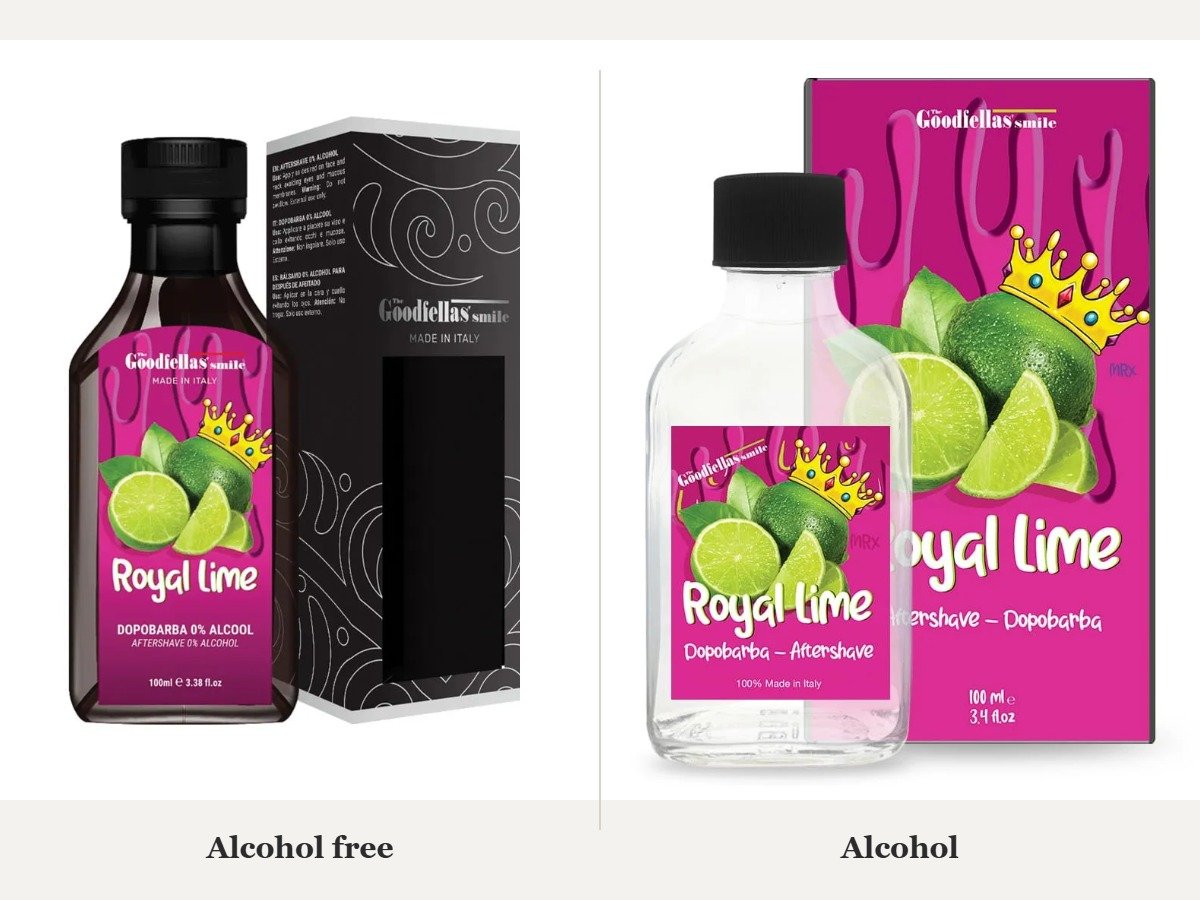
The same Goodfellas scent made both ways, plus Taconic and Cella, and how to pick the finish that suits your shave.
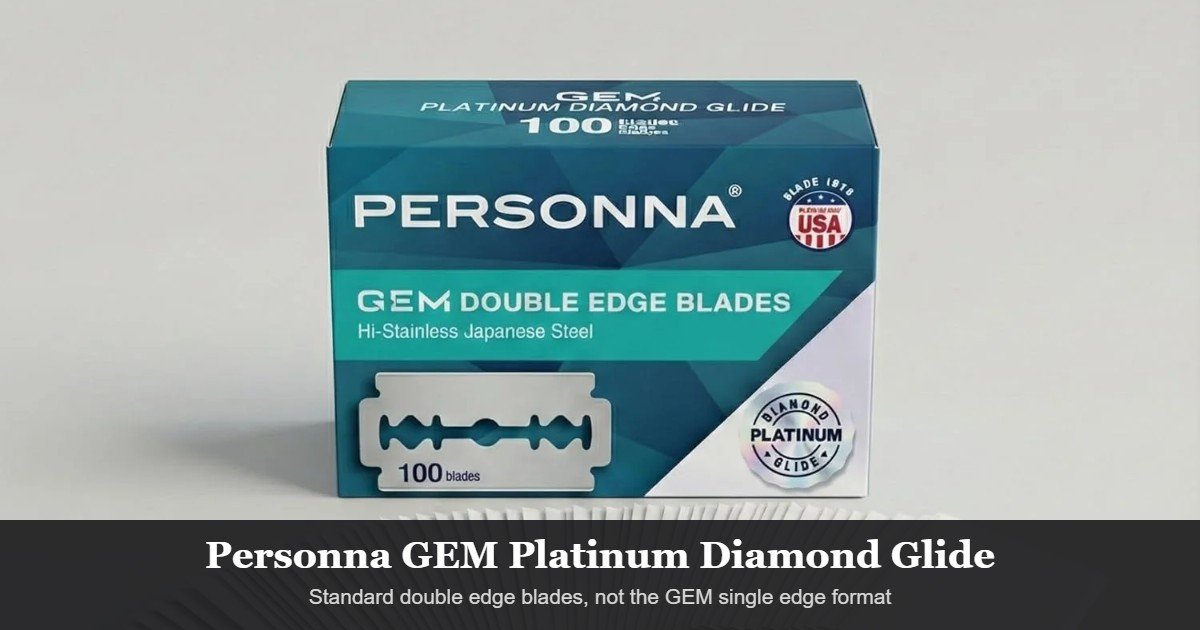
What the Personna GEM Platinum Diamond Glide actually is, what its carton says, and what wet shavers on both sides are saying.