
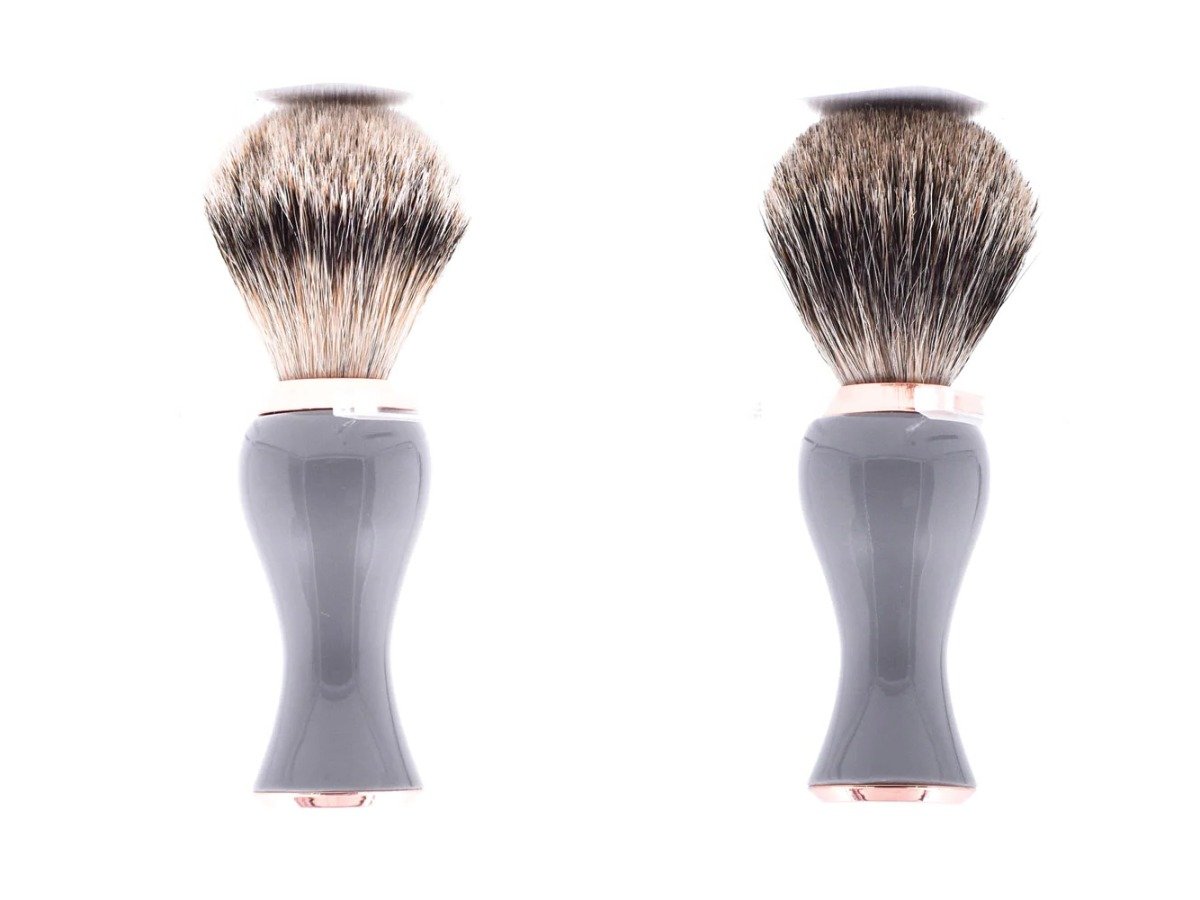
Silvertip vs Pure Badger: What the Grades Actually Mean
Silvertip and pure badger compared on Parker’s own published figures, using matched Parker pairs where the hair is the only difference.

Ask ten wet shavers how they build lather and you will get two answers, delivered with more conviction than the question deserves. Some swear by a bowl. Some go straight to the face. Both produce excellent shaves, and the choice says more about your soap, your brush and your bathroom than about your skill.
This is not a guide to building a good lather — that is covered separately. This is about where you build it, and why that changes things.
Face lathering means loading the brush from the soap, then working it directly on wet stubble. The lather is built on your face, and your beard is part of the mixing process the whole way through.
Bowl lathering means loading the brush, then building the lather in a separate vessel until it looks right, and only then painting it on. The lather is finished before it touches you.
There is also a third option most people arrive at eventually, and it is covered further down.
It is faster. There is no second vessel to fill, warm, rinse and dry, and on a weekday morning that is not a small thing.
It uses the brush against the grain of the stubble, which lifts the hairs and works product down to the base of the beard rather than sitting it on top. For coarse or dense growth that matters more than most technique advice does.
And it gives you constant feedback. You can feel the moment the lather goes from thin to slick, because it is happening under the bristles on your own skin. Bowl lathering puts a step between you and that information.
The catch is water control. You are adding water in small amounts to a brush already loaded with product, and if you overshoot on your face there is nowhere to hide. Beginners tend to end up either too dry and draggy or collapsed and runny.
A bowl gives you room to correct. You can add water a few drops at a time, keep working, and only commit when the lather is right. Nothing is on your face until you approve it.
It also holds heat. A proper scuttle is double-walled ceramic that holds hot water between its skins, so the lather sits on a warm floor from the first pass of the brush to the last pass of the razor. That is the difference between a scuttle and an ordinary bowl, and in a cold bathroom in February it is the whole argument.
Metal does the same job differently. Parker’s 304 stainless bowl takes heat from hot water quickly and holds it, and its interior tapers from 3.66 inches at the rim down to 2.16 at the base. That taper is not decoration: a narrowing well forces the brush to work against the walls instead of skating around a flat dish, which is what actually whips air into the soap.
The catch is that it is another object to warm, rinse and dry, and a bowl left wet on the edge of the sink is how wooden ones crack and how everything else grows a film.
Load the brush from the soap, build the body of the lather in a bowl or in your palm, then finish the last thirty seconds on your face.
You get the water control of the bowl and the stubble-lifting of face work, and it is what most experienced shavers are quietly doing regardless of which camp they claim. A palm bowl suits this well — Parker’s ox horn bowl is turned to sit in the hand rather than on the counter, and no two pieces of horn look alike.
A hard puck needs work to load and rewards a bowl, because you are building volume from a small amount of product and you need somewhere to do it. A soft Italian croap loads onto a damp brush in seconds and is often already halfway to lather before it leaves the tub, which suits going straight to the face.
The base matters too. As covered in tallow vs vegetable shaving soap, tallow formulas generally take more water before they peak, which is easier to manage in a bowl where you can see what you are doing. If you are still deciding between formats at all, start with soap vs cream.
A stiff boar with real backbone can push soap around a bowl and off your face without complaint. A soft badger holds more water and gives it up gently, which suits face work where you are metering water in small amounts. A synthetic sits between the two and releases water fast, which is why synthetics can flood a face lather in a way they never would in a bowl.
If you are choosing a brush around this, our brush guide covers how each type behaves with water.
If your lather keeps collapsing no matter which method you use, the vessel is not the problem. Hard water fights soap before technique gets a look in, and lathering in hard water covers what actually helps. Switching to a bowl will not fix a water problem, though it does make it easier to see one happening.
Face lather if you are short on time, you have coarse or dense stubble, you use soft soaps or creams, or you want the most direct feedback on what your lather is doing.
Bowl lather if you are learning, you use hard pucks, your bathroom is cold, you like a slower shave, or you have been getting inconsistent results and want to remove a variable.
Do both if you have been at this a while. Build in the bowl, finish on the face, and stop thinking of it as a choice.
If you are buying a bowl, the practical questions are heat and shape rather than material fashion. A double-walled scuttle holds warmth longest, steel warms fastest, wood and horn are the ones you have to dry properly, and a narrowing interior does more for your lather than a wide flat one. A textured interior does the same job as a taper. Pearl’s textured bowl is the plainest version of that idea, rounded to sit in the palm rather than on the counter. The full bowls and mugs range and the brushes are worth looking at together, since the two have to suit each other. If you want that decision in more detail, our guide to choosing a lathering bowl or scuttle goes through texture, size, weight and material one at a time.
Bowls and brushes in this guide:
Silvertip and pure badger compared on Parker’s own published figures, using matched Parker pairs where the hair is the only difference.
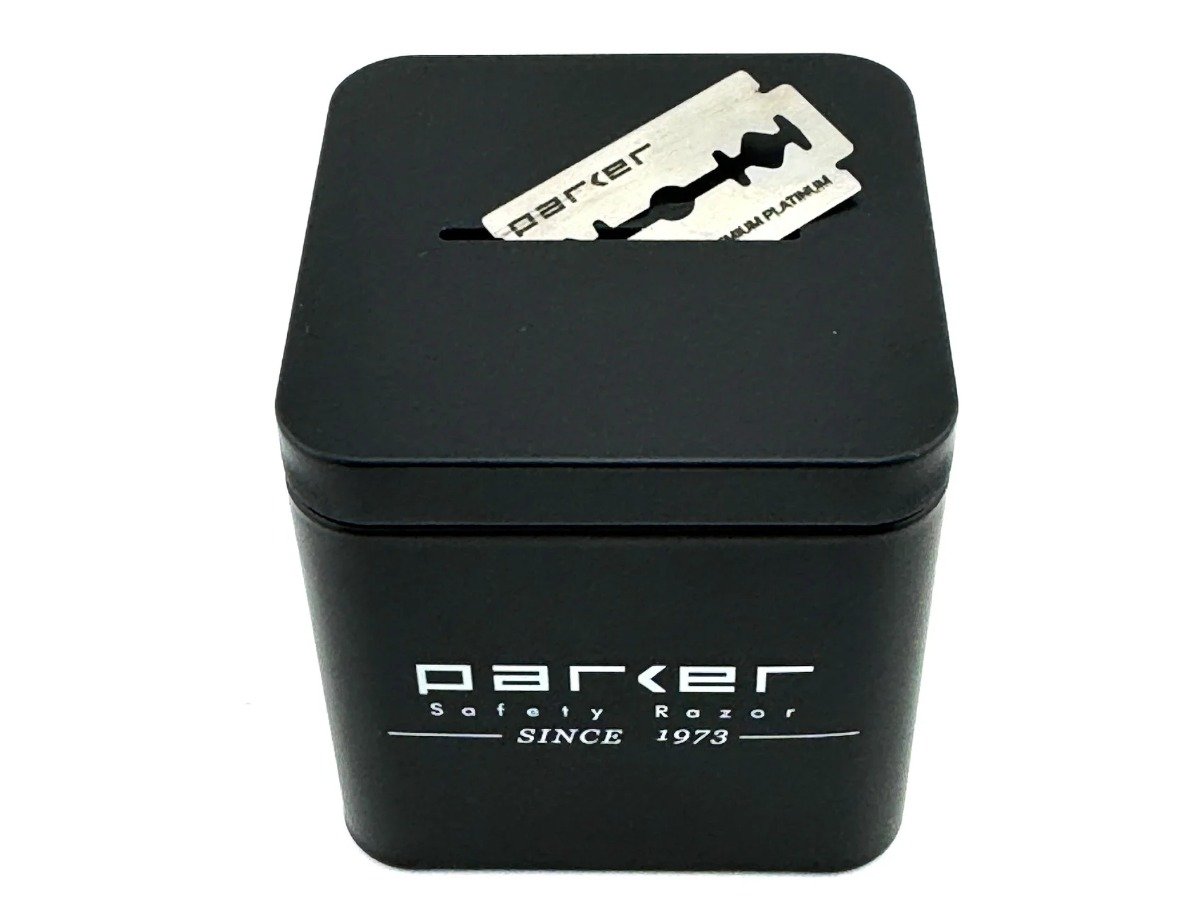
A used double edge blade should never go loose into a bin or a recycling box. How a blade bank works, what the Parker 300 blade bank holds, and how to check the rule in your own municipality.
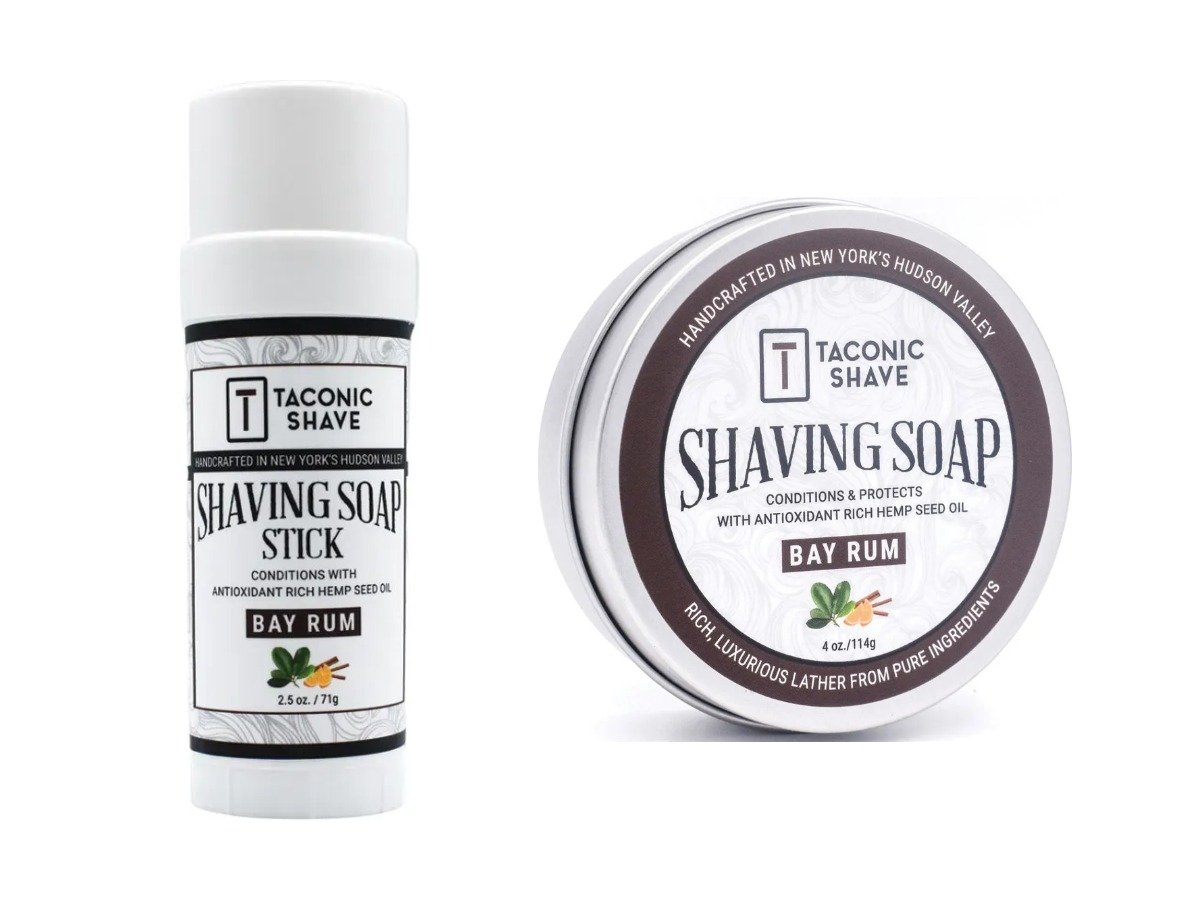
A shave stick and a tub of shaving soap can hold the same soap. What changes is size, lathering method, travel and choice.