
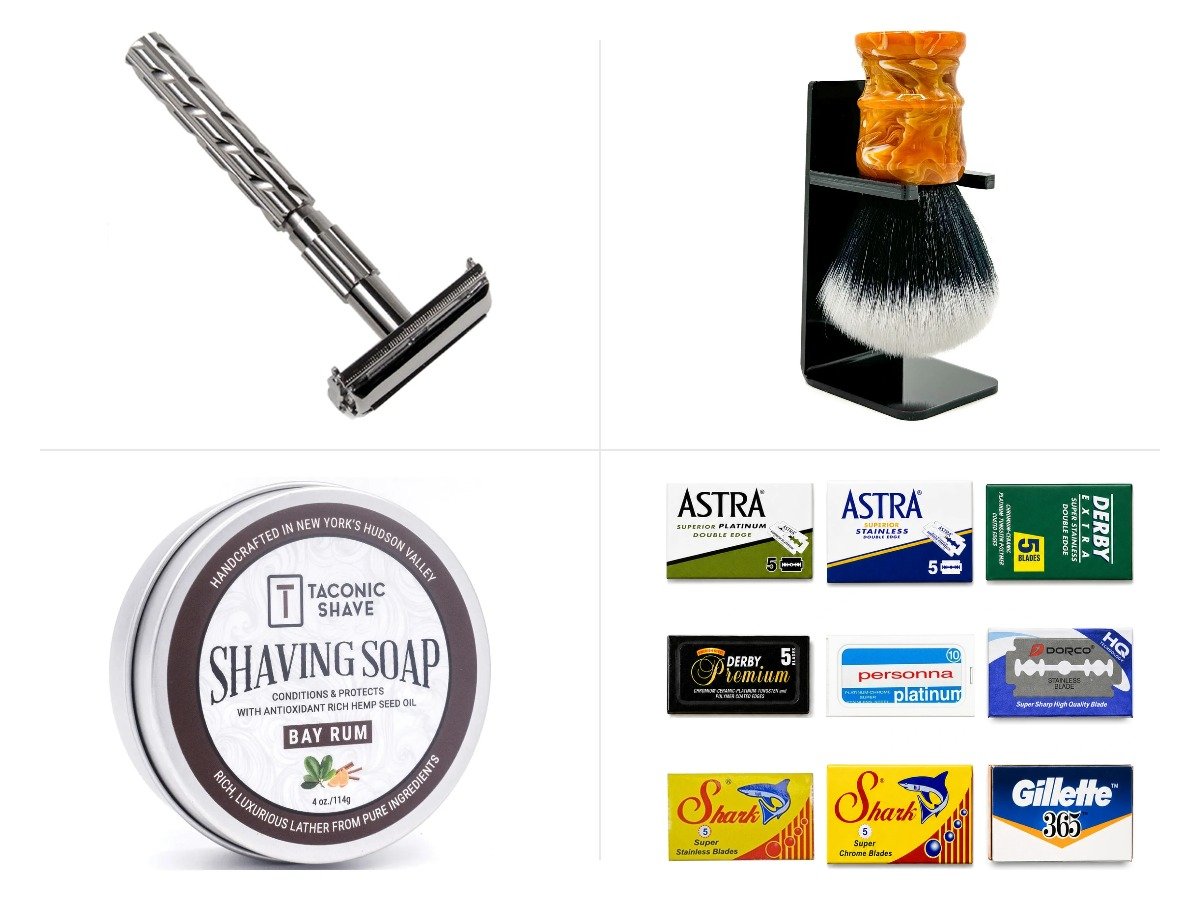
Wet Shaving Starter Kit: What to Buy First
A complete double edge starter kit, piece by piece, with every figure taken from the maker.
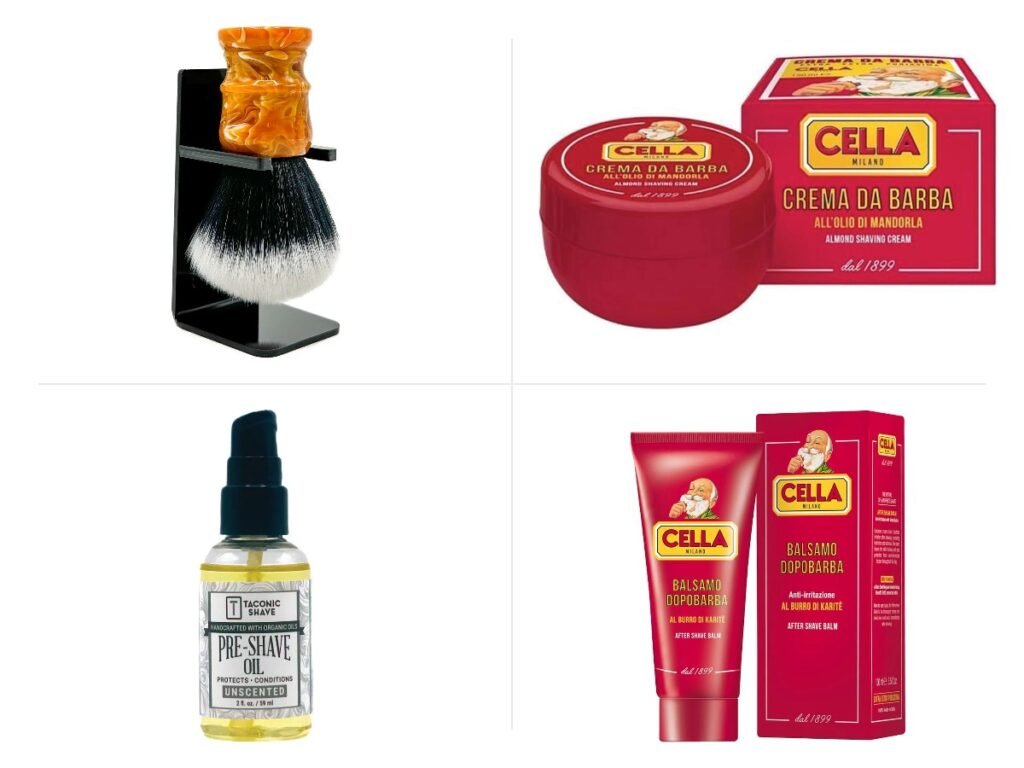
Your razor does not change between July and January. The water does, the air does, the room does, and so does the face you are shaving. That is why a shave that felt comfortable all summer can start to feel scratchy in the middle of a Montreal winter with nothing new in your kit at all. Winter shaving is mostly a matter of adjusting four things you are already doing, and only occasionally a matter of buying something different.
Four things change, and the razor is not one of them.
The water is colder. Cold tap water in January arrives colder than cold tap water in July, because the water it is drawn from is colder. Soap dissolves more slowly in cold water, so a brush loaded from a cold tap can build a thinner lather for the same amount of work.
The air indoors is drier. Heating a home lowers its relative humidity. Drier air pulls water out of a lather sitting on your face faster than humid summer air does.
The room is colder. A bathroom on an outside wall, a cold tile counter, a razor stored against an exterior wall: all of these change how long warm lather stays warm, and how much condensation ends up on steel.
Your face spends the day under a scarf. Wool collars and scarves rub along the jaw and the neck, which is exactly where most people are already shaving across or against the grain.
None of that calls for a different razor. It calls for small changes to water, preparation, lather and what you put on afterwards.
The simplest winter fix is also the one most often skipped: use warm water deliberately rather than whatever comes out first.
Makers are specific about this. Cella’s own directions for its Shaving Cream with Almond Oil say to wet the brush in warm water and whip the cream soap in a bowl with circular movements before taking it to the face. Warm, not scalding. A brush loaded with warm water gives the soap something to dissolve into; a brush loaded cold makes you work twice as long for a lather that is still thin.
Cella also publishes a shortcut worth stealing on a cold morning. In its own shaving ritual the maker suggests that if there is no time for a shower, you take a sponge cloth, “wet it with boiling water, wring it out and blot on to the face for 30 seconds”. Thirty seconds of real heat on a cold face does more for the shave than another minute of brushing.
Then warm the bowl. In a cold bathroom a ceramic or steel bowl pulls heat straight out of the lather you just built. Fill it with hot water while you shower and tip it out before you load the brush. This is the single reason a scuttle exists, and if you are weighing up the options our guide to choosing a shaving bowl or scuttle covers which vessels hold heat and which do not. If you normally skip the bowl altogether, bowl lathering versus face lathering is worth a read in winter specifically, because face lathering in a cold room gives the lather nowhere warm to live.
Health Canada recommends keeping indoor relative humidity between 30% and 50%. That figure is published for moisture and mould reasons rather than for shaving, but it gives you a benchmark, and an inexpensive hygrometer will tell you where your bathroom actually sits once the heating has been running for a few weeks.
Why it matters at the sink: a lather that was perfectly stable in August can go pasty before your second pass in January, because the water in it is leaving faster. The fix is not more soap. It is more water, added in small amounts, and a willingness to reload the brush between passes instead of pushing a drying lather around your face. Our guide to building a good shaving lather covers the water-control part in detail.
If your tap water is also hard, cold and hard together is the most awkward combination there is, and it is worth reading how to get a good lather in hard water before you blame the season for everything.
A pre-shave step is easy to skip in summer. In a dry, cold month it does more obvious work, because it puts a wetted, warmed layer under the lather and gives the blade something slick to ride on.
Gels are the more structured option. Cella’s instructions for its Pre-Shave Gel are worth following exactly: wet the face with warm water, apply the gel and massage with circular movements against the natural growth of the hair, and then, in the maker’s own words, “Do not rinse. Then apply the shaving cream.” That last instruction is the one most people get wrong, and rinsing it off undoes the point of using it. The same directions appear on the maker’s pre-shave gel page. If you prefer an organic formulation there is the Cella Bio Organic Pre-Shave Gel, and The Goodfellas’ Smile Dawn of Glory Pre-Shave Gel is the third gel in the range.
Oils are the lighter-touch option and a few drops go a long way. Taconic Shave Unscented Organic Pre-Shave Oil comes in a 2 ounce bottle and the maker publishes exactly five ingredients: organic safflower seed oil, organic castor seed oil, grape seed oil, lime oil and tocopherol. GROOM Shaving Oil is a 30 ml / 1 fl. oz. bottle and the maker describes the scent as the fresh, herbal fragrance of pine, sage and juniper.
Which format suits you is a longer argument than this article can settle, and we have already made it: pre-shave oil versus gel compares what each one does under the lather and how much you actually need. The whole pre-shave category runs to eight products, so it is a short list to work through.
A hard puck and cold water are not natural partners. The harder the soap, the more water and the more time it wants before it gives anything up, and cold water slows that down further. If you find yourself working a puck for a minute and still getting a thin, airy lather in January, the soap is not faulty and neither are you.
Two reasonable responses. The first is to bloom the puck properly: a little warm water sitting on top of it while you shower, tipped off before you load. The second is to keep a softer soap or a cream for the cold months. Italian soft soaps load fast even from a cool brush, which is why Cella’s cream soap has the reputation it has; the maker still describes the saponification as the hot-mix process its 1899 recipe used, and the result is a semi-soft tub rather than a hard puck.
If you are deciding between formats, shaving soap versus shaving cream is about firmness and what it means at the brush, while shave stick versus tub soap is about the package. Tallow versus vegetable soap covers the other variable people often reach for in winter. There are 29 products in shave soaps and 28 in shaving creams, so there is room to keep a winter soap and a summer soap without much fuss.
An alcohol splash works partly by evaporating, and evaporation is cooling. In a warm bathroom in July that is the whole appeal. In a cold bathroom in January the same bottle can feel considerably sharper on the same face, and for many shavers that is the moment they decide the season calls for something else.
A balm is the usual answer. Cella Milano After Shave Balm is described by the maker as alcohol-free and made with shea butter, with a non-oily texture, and Cella’s directions are to rinse with plenty of cold water, apply to a thoroughly rinsed and dried face and neck, and massage with small gentle movements until it is fully absorbed. GROOM Aftershave Balm is a 65 ml / 2.19 fl. oz. tube and the maker lists jojoba oil and cocoa butter among the ingredients, with the same pine, sage and juniper scent as the shaving oil above.
You do not have to choose one camp for the whole year. Plenty of shavers use a splash and then a balm over it in the cold months, which keeps the scent they like and changes the finish. Menthol is worth a thought too: a menthol splash that is a pleasure in August can be a shock in February, and noticing that is easier than wondering why your usual bottle suddenly feels unfriendly.
For the full comparison, aftershave splash versus balm covers what each one leaves behind, and alcohol versus alcohol-free aftershave covers the ingredient question directly. The aftershaves category holds 38 products.
Condensation is the winter problem nobody plans for. A razor that sits on a cold counter or against an exterior wall is colder than the air in the room, and when a hot shower fills that room with steam the cold metal is where the water lands. That means a razor can end up wet long after you have finished with it, which is not a good state for a plated finish or for the blade sitting in the head.
The answer is the same as it is in summer, just more necessary: dry the razor, do not leave it closed and wet, and give the blade somewhere to drain. Our guide to razor and blade care goes through drying and storage properly.
Brushes have their own winter quirk. A cold room with the heating off is slow to dry anything, and a knot that stays damp for a day and a half is a knot you are not enjoying. Synthetic fibres hold less water inside the fibre than badger or boar hair does, so they shake out and dry noticeably faster, which makes them a sensible cold-bathroom choice. The Parker Solar Storm Tuxedo Knot Synthetic Shaving Brush ships with its own stand, and there are 20 brushes in the synthetic category if you want a second brush purely for the cold months.
Whatever the hair, hang it to dry rather than standing it on its base, and keep it away from a radiator or a heat vent; a stand in open air is enough, and there are 23 of them. If you are still choosing a brush at all, how to choose a shaving brush compares the three hair types and knot size and loft covers the geometry.
None of this is expensive and none of it needs a new razor. If you are building a kit from scratch rather than adjusting one, our wet shaving starter kit guide sets out what to buy first and in what order.
A complete double edge starter kit, piece by piece, with every figure taken from the maker.
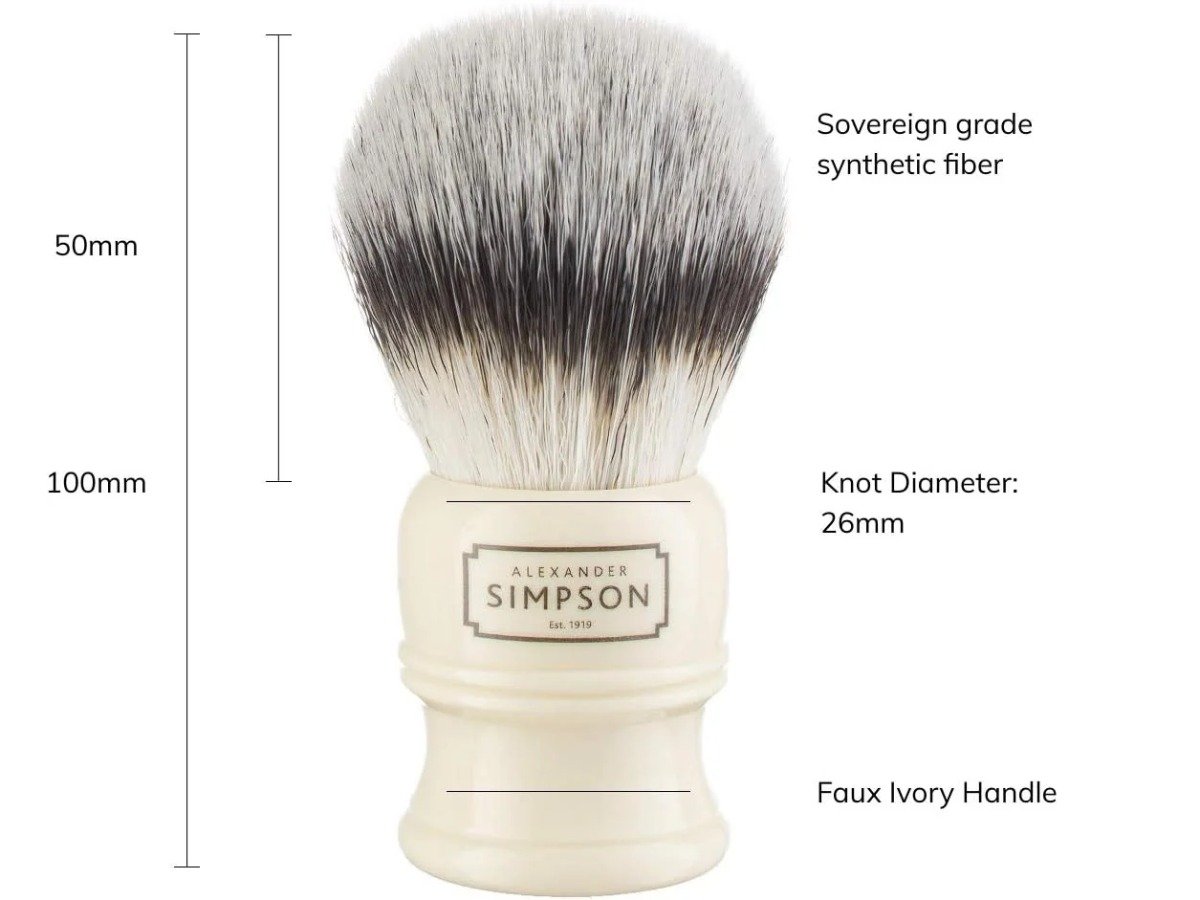
What knot size and loft actually change, using figures Simpsons and Parker publish themselves, and how to measure a brush you already own.
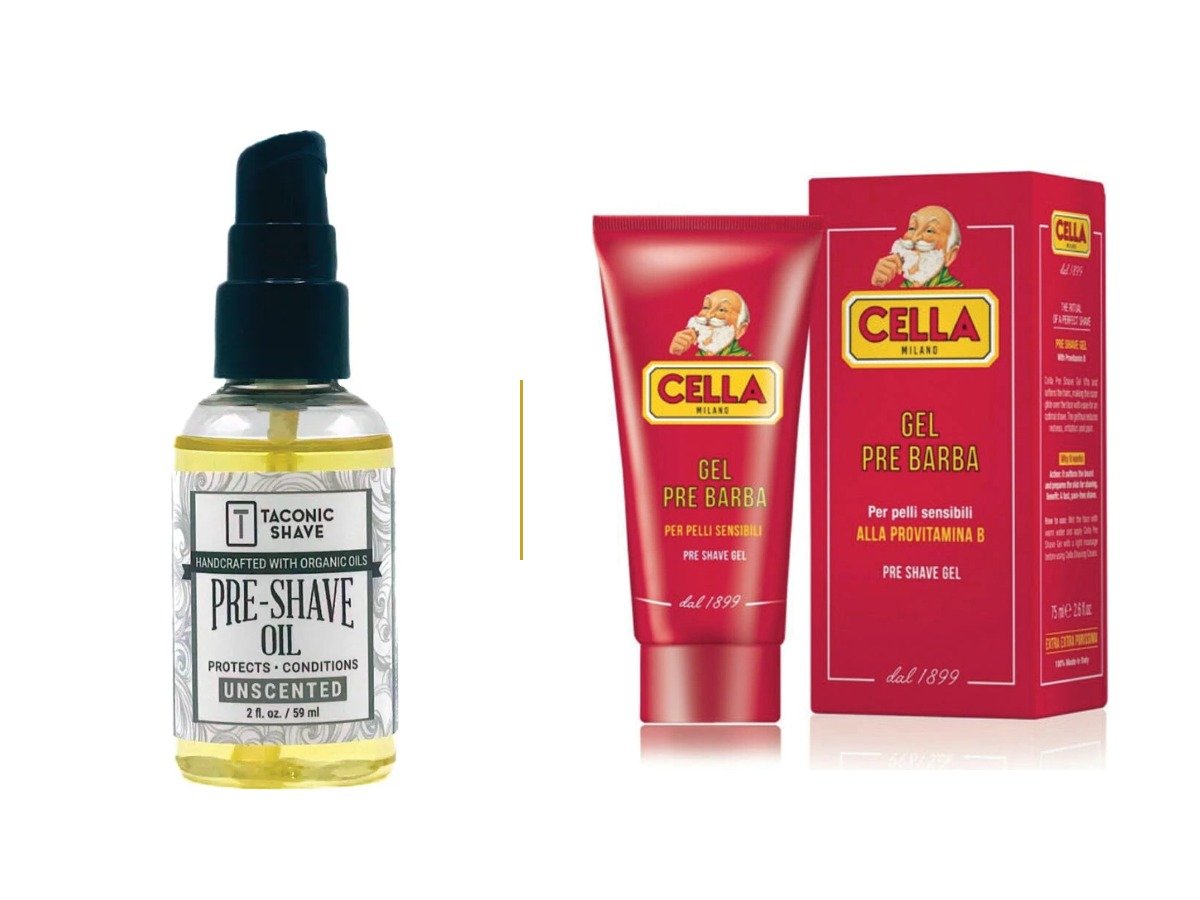
Pre-shave oil and pre-shave gel behave differently under lather. What each one does, how much you use, and which suits your soap and your water.