
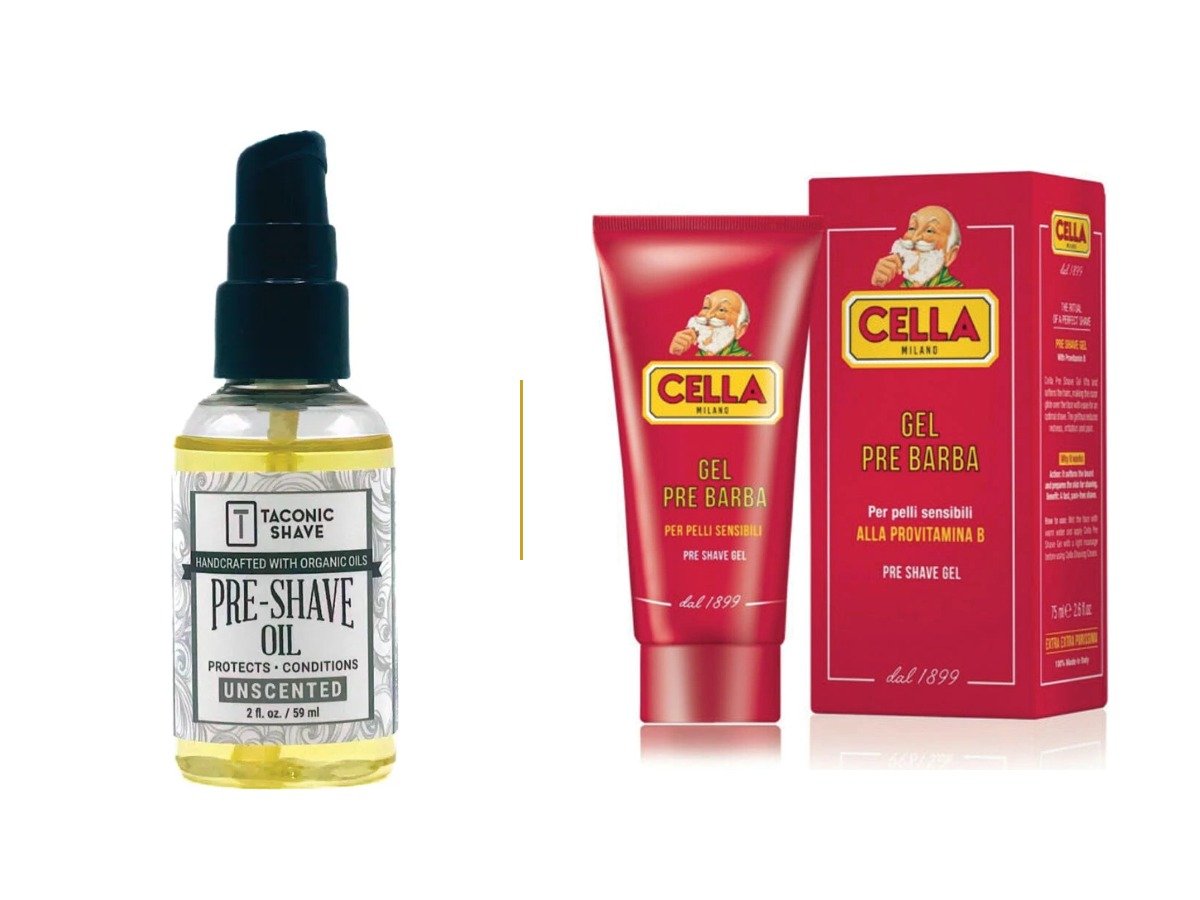
Pre-Shave Oil vs Gel: Which One Belongs in Your Routine
Pre-shave oil and pre-shave gel behave differently under lather. What each one does, how much you use, and which suits your soap and your water.

A safety razor is a simple object and the choice looks harder than it is. There are really only five decisions, and only two of them change the shave much. Here is the order we would take them in, and the three razors we would actually hand someone starting today.
If you are coming from a cartridge razor, the change is smaller than it looks, and the clearest difference is not how the two shave. It is how they are bought. On a cartridge razor the blades and the moulded housing they sit in are one item, replaced as a unit and discarded together. On a double edge safety razor the razor and the blade are two separate items: the razor is metal you keep, the blade is the standard double edge size almost every blade maker produces, and the blade is the only part you replace.
That separation is what the rest of this guide rests on. Razor design still does a lot of the work, the blade gap, an open or closed comb, whether it adjusts at all, but the blade sits on top of all of it as an independent choice. It is also the easiest thing to experiment with once the razor is in the house, which is why a blade sampler is the usual first purchase alongside the razor: whatever double edge blade you settle on will fit the razor you already own.
Buy a mild-to-medium closed comb razor from a brand that still makes spare parts, pick a straightforward one rather than a complicated one, put your attention into the blades and the lather, and give it a month before you decide anything.
The first razor is not a lifetime decision. It is the thing that teaches you what you actually want.
A butterfly, also called twist to open, is one assembled object. A knob at the base turns and two doors in the top cap swing open. Ten second blade change, one hand, and you never hold a bare blade by its edges.
A three piece comes apart into handle, base plate and top cap. Nothing to seize, it rinses completely, and if you lose a part you can often replace that part rather than the razor.
Neither is milder and neither shaves closer. The full comparison is in butterfly vs three piece safety razors. If handling a loose blade puts you off, buy a butterfly and stop thinking about it.
A closed comb has a solid safety bar running under the blade. An open comb has teeth. The teeth let more lather and more stubble reach the edge, which suits heavy growth and can feel harsher on a face that is still learning.
For a first razor, closed comb, almost always. Our guide to open comb vs closed comb covers when the teeth are worth it.
An adjustable razor changes its blade gap with a dial, so one razor covers mild and aggressive. A fixed razor is set at the factory. An adjustable is a wider tool and a fixed razor is a simpler one, and we set out both cases in adjustable vs fixed safety razors.
For a first razor either is fine. An adjustable buys you room to grow if your growth varies through the week or more than one person will use it.
This is the decision people get most wrong, because weight and aggression are not the same thing. The Parker Flight is 110 g of solid brass with a 0.60 mm blade gap. The Parker AeroShave is 39 g of aluminium with a 0.59 mm gap. Those two blade gaps are one hundredth of a millimetre apart and the weights are nearly three times apart.
A heavier razor lets gravity do more of the work, which helps if you tend to press. A lighter razor gives you more feedback and asks more of your technique. Neither is a beginner razor or an expert razor.
Handle length matters more than most people expect. A long handle gives reach and leverage, which is worth having if you have large hands or you are shaving legs and underarms rather than only a face.
This one is worth taking seriously. The same razor with a Feather in it and with a Derby in it are not the same shave. The razor still sets the geometry, the gap, the comb and whether it adjusts, and those matter. What the blade adds is a second variable on top of them, one you can change on its own without changing the razor at all.
Do not buy a hundred of anything before you know. A blade sampler lets you try several brands without committing to a large pack of any one of them, and will tell you more in two weeks than a month of changing anything else. How to run one properly is in choosing and testing a blade sampler.
A razor without lather is a sharp edge on dry skin, and this is the part first-time buyers skip.
A brush and something to lather. The Omega 10077 boar brush is the least expensive sensible way in, and it improves over its first weeks as the bristle tips split. If you would rather have no break-in and overnight drying, a synthetic does that instead; the differences are in boar, badger or synthetic.
Cream or soap. Cream lathers in seconds and is difficult to get wrong, which is why we suggest starting there, and shaving soap vs shaving cream explains when to move on.
The least expensive way in. The Feather Popular is a butterfly razor at around $22.79, and it is the one we hand people who are not yet sure they will stick with it.
The one most people keep. The Parker 22R is 3.4 oz on a genuine brass frame, 3 3/4 inches overall, gunmetal chrome plated, with a long handle and a butterfly head, at around $39.15. Heavy enough to work on its own, simple enough to live with.
The one that grows with you. The Parker Variant is 4 oz on a genuine brass frame, 4 inches overall, with a dial at the base running from 1 for the mildest setting to 5 for the most aggressive. Around $76.89, and it is the honest answer if you cannot decide between mild and efficient.
If you would rather start with an open comb, the Parker 24C is the one we stock most of. Prices are current at the time of writing.
Finish is cosmetic. Chrome, gunmetal, rose gold and graphite are the same razor underneath in almost every range.
Brand loyalty can wait. Buy the mechanism and the head you want first.
And if you find yourself curious about how these designs arrived at their current shape, the history of traditional safety razors is the background rather than the buying guide.
And ignore anyone who tells you a more expensive razor gives a closer shave. Past a certain point you are paying for materials, finish and machining tolerances, which we set out in stainless steel vs plated safety razors. What changes the shave is the blade, the angle, the lather and the pressure, and all four cost almost nothing to improve.
The first two weeks are technique, not equipment. Let the razor do the cutting, keep the angle shallow, and re-lather before every pass. If the lather goes thin and grey no matter what you do, look at your water before you blame the soap, which we cover in lathering in hard water.
Everything here is in our double edge safety razor range, shipped from Montreal, wet shaving since 2004.
Once the razor is settled, the last decision is the finish. See alum block vs aftershave splash for what each does and the order they go in.
A first setup from this guide:
New to wet shaving? Our beginner’s guide to wet shaving walks through the whole routine, from prep to aftershave.
Pre-shave oil and pre-shave gel behave differently under lather. What each one does, how much you use, and which suits your soap and your water.
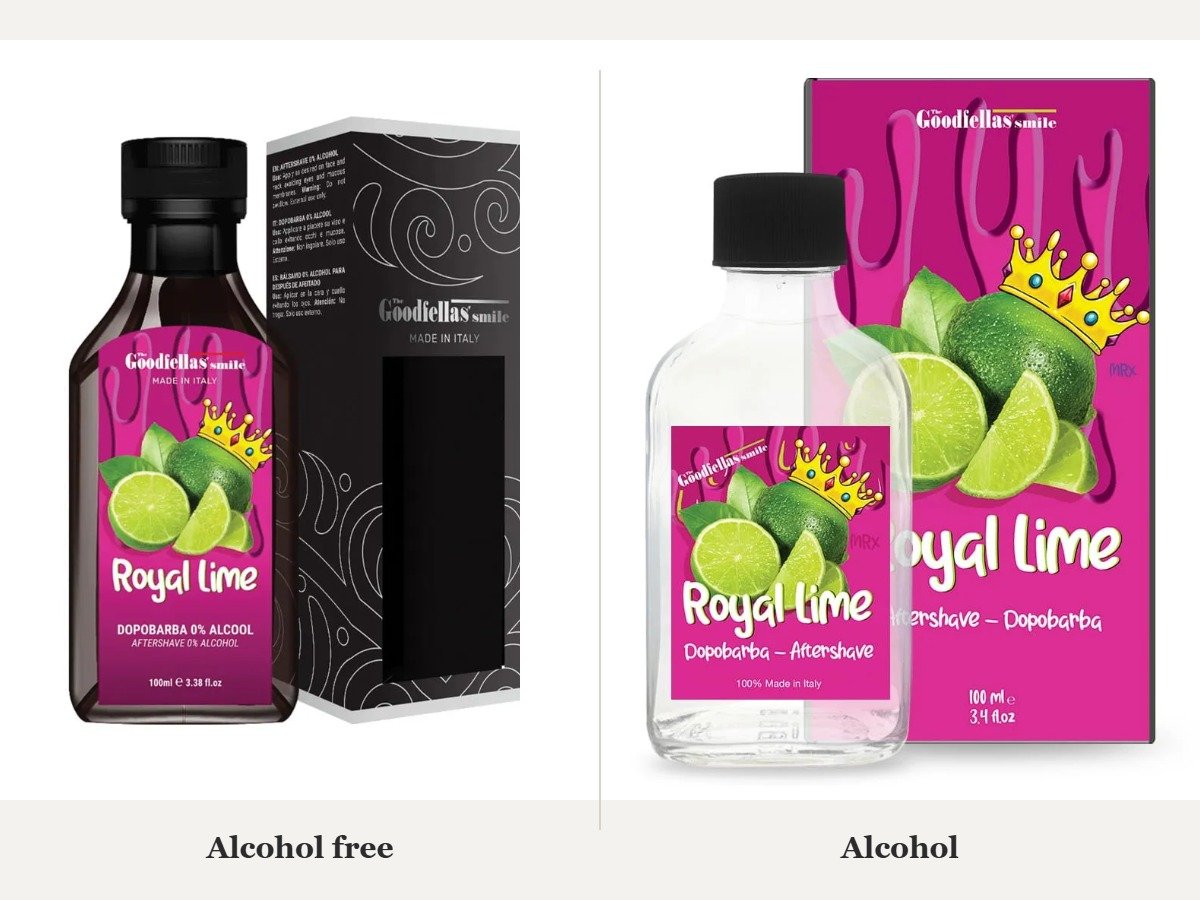
The same Goodfellas scent made both ways, plus Taconic and Cella, and how to pick the finish that suits your shave.
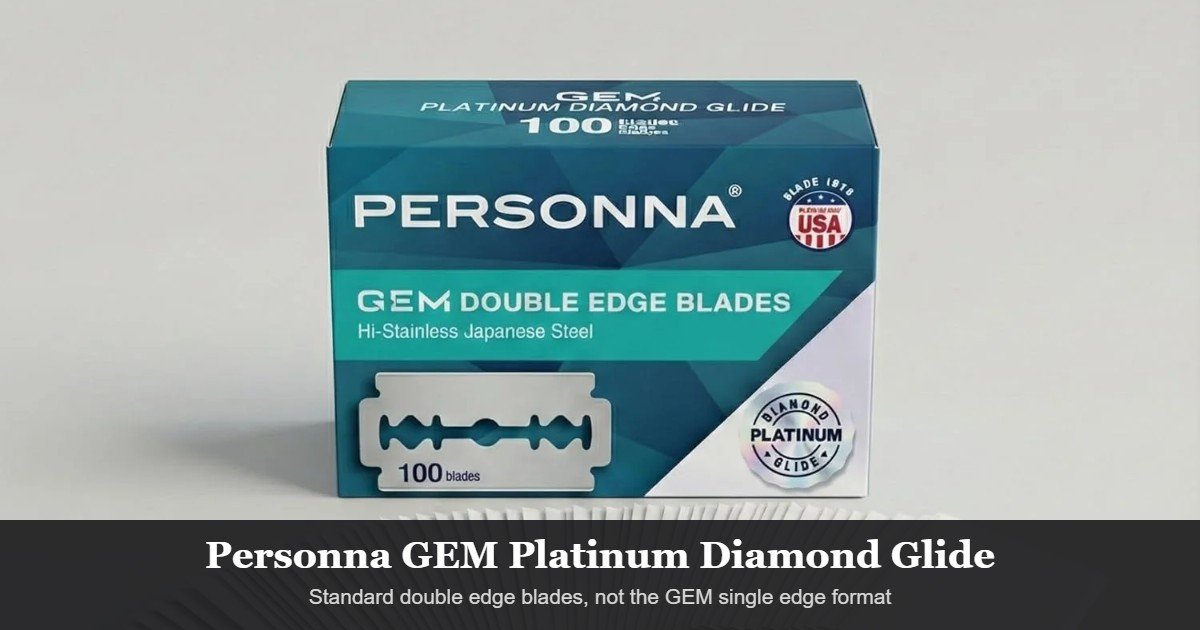
What the Personna GEM Platinum Diamond Glide actually is, what its carton says, and what wet shavers on both sides are saying.