
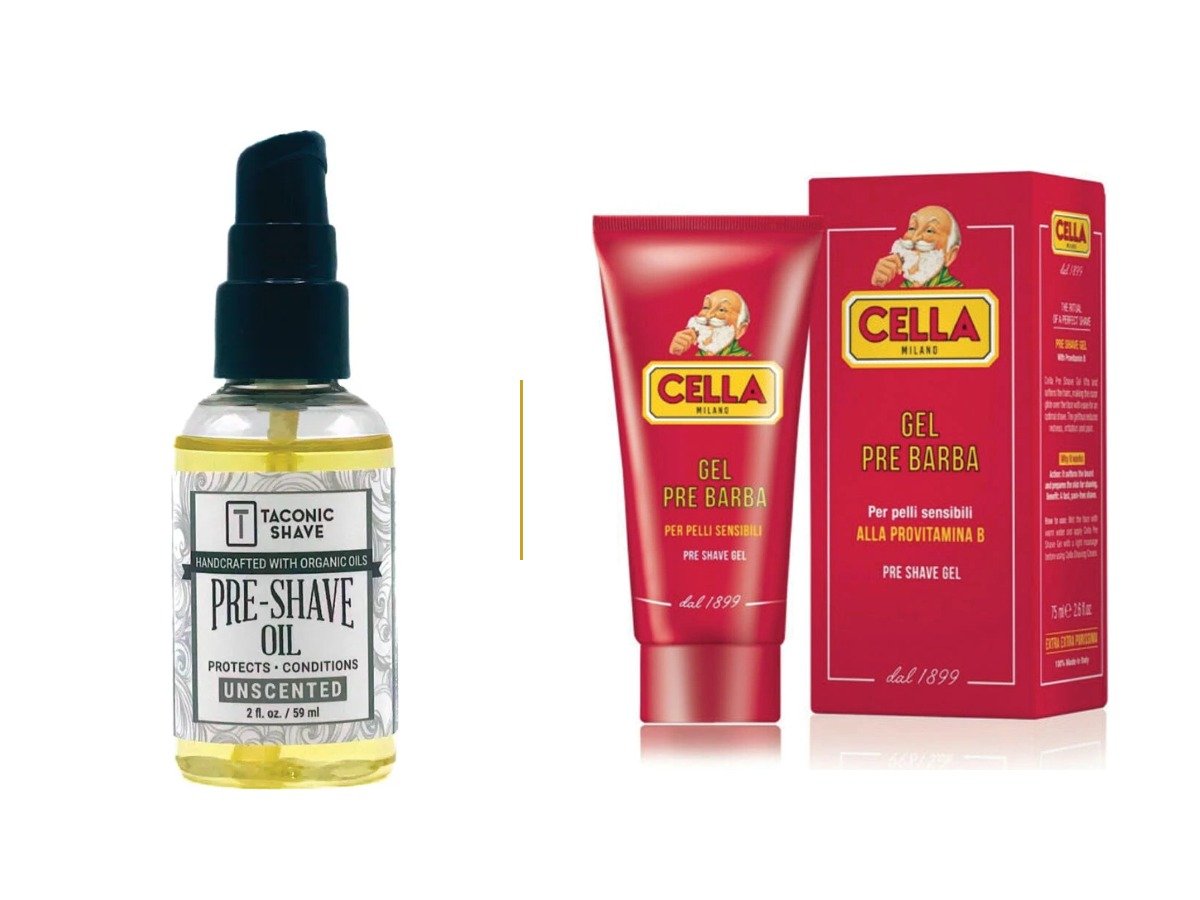
Pre-Shave Oil vs Gel: Which One Belongs in Your Routine
Pre-shave oil and pre-shave gel behave differently under lather. What each one does, how much you use, and which suits your soap and your water.
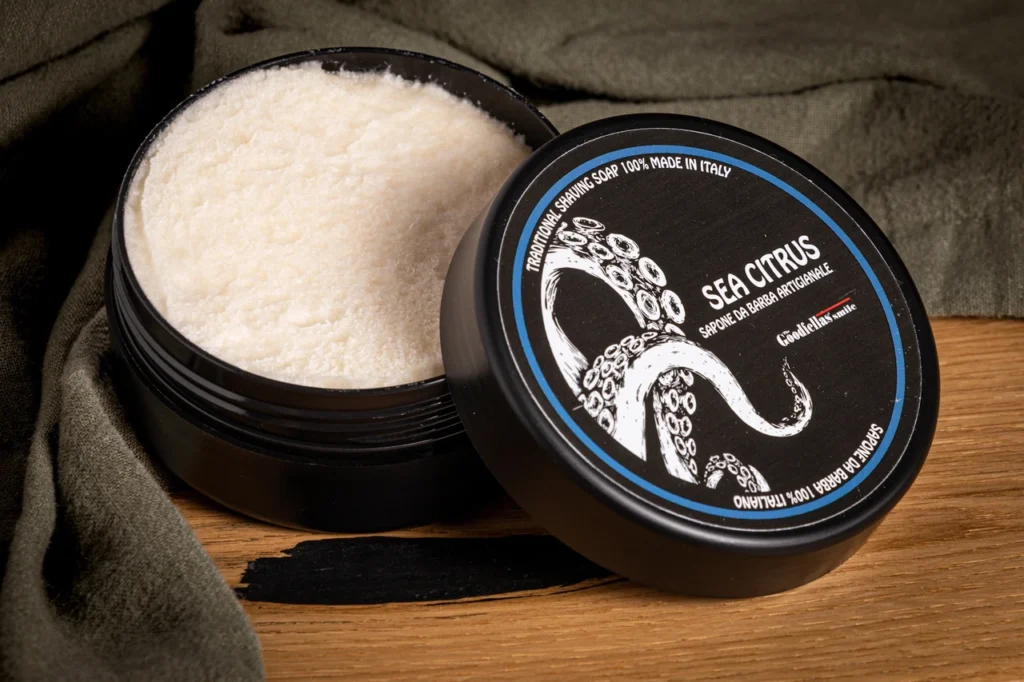
Pick up two shaving soaps that look identical in the tub and the ingredient lists can be built on completely different fats. One starts with rendered beef tallow. The other starts with stearic acid, shea butter, coconut or palm. That single choice changes how the soap loads, how the lather behaves under the razor, and how long a tub lasts you.
This is a different question from shaving soap vs shaving cream, which is about how firm the product is in the tub. Tallow and vegetable soaps both come as hard pucks, semi-soft creams and soft croaps. The base is what is inside them, not what shape they are sold in.
A shaving soap is fat that has been reacted with an alkali. That reaction, saponification, turns the fat into soap and glycerin. Potassium hydroxide gives a softer, faster-loading soap. Sodium hydroxide gives a harder puck. Most modern makers use a blend of both, which is why so many Italian soaps sit somewhere between a puck and a paste.
The fat you start with decides the fatty acid profile of the finished soap, and that profile is what your brush is really working with. Stearic acid is the one that matters most for shaving. It is what builds the dense, slow-collapsing lather a razor needs, as opposed to the big airy bubbles a bath soap makes. Nearly every good shaving soap is stearic-heavy, whether that stearic acid arrived as part of a lump of tallow or as a refined vegetable ingredient added on its own.
Tallow is rendered beef or mutton fat. On a label it usually appears as Sodium Tallowate, Potassium Tallowate or Tallow Acid, and it is normally near the top of the list.
Its appeal is that it arrives already balanced. Tallow carries stearic and palmitic acid, which give structure and density, alongside oleic acid, which gives slickness and keeps the lather from turning chalky. A soapmaker using tallow gets all of that from one ingredient. That is why tallow formulas can be extremely short. The Goodfellas’ Smile Shibusa 2 is built on seven ingredients in total, which is the sort of list you rarely see on a vegetable base.
The practical effect most shavers report is a lather that stays put. It holds its structure through a slow first pass, it does not dry on the face while you deal with an awkward patch under the jaw, and it takes a lot of water before it breaks. If you shave slowly, or you do three passes, that matters.
Tallow soaps in the shop include Tallow N.1, the soap that named The Goodfellas’ Smile tallow line, and the one most Canadian barbershops know, Cella’s semi-soft almond cream soap in the 1 kg block. Cella’s own history describes barbers cutting that block into pieces and working through it over months. It is called a cream, but it behaves as a soft soap and needs a brush.
A vegetable base is built rather than inherited. The maker adds stearic acid for density, coconut oil for the initial foam, and then something like shea butter, cocoa butter, palm or castor oil to bring back the slickness that tallow supplies on its own. The ingredient list is longer because each job has its own ingredient.
Built well, the results are excellent. GROOM’s 120 g soap, handmade in a Montreal workshop, uses shea butter and cocoa butter as its base and is made in the Italian soft-soap style, so it loads onto a damp brush in seconds. The Goodfellas’ Smile Tyrannus is a fully vegan semi-hard soap made in Italy with no animal-derived ingredients at all.
Where vegetable soaps differ in use is usually at the extremes. Many of them peak faster, meaning you reach a good lather with less brush work, and some will thin out sooner if you keep adding water past that peak. Neither of those is a fault. It just means the soap wants a slightly different hand.
The clearest way to feel the difference is to compare two soaps from one maker rather than two makers. Cella sells both. The semi-soft tallow cream is the traditional almond formula, super concentrated, meant to be built in a bowl or on a loaded brush. The bio organic cream with aloe vera is certified by AIAB and QCertificazioni and is formulated to be lathered straight onto the face instead. Same house, same country, two different answers.
The Goodfellas’ Smile does the same thing across its range, with a declared tallow line and Tyrannus sitting alongside it as the vegan option. Buying one of each from the same maker removes fragrance and price from the comparison and leaves only the base.
You do not need to guess. Scan the first four or five ingredients.
A short list near the top of the label that includes tallow tells you the soap is doing most of its work with one fat. A longer list of named plant butters and oils tells you the maker has assembled the profile deliberately. Both are legitimate. Neither is a shortcut.
One caution on marketing language: “natural”, “artisan” and “traditional” say nothing about the base. Plenty of tallow soaps are artisan and plenty of vegetable soaps are traditional. Only the ingredient list settles it.
Slightly, and only in how much water you add and when. A tallow soap will usually take more water before it peaks, so if you are used to vegetable soaps you may under-hydrate it and end up with a stiff, dry lather that grabs. A vegetable soap will often get there sooner, so the same amount of water that suited your tallow puck can push it past its best.
The fix in both directions is the same: add water in small amounts and keep working the brush until the lather goes glossy rather than matte. Our guides to building a proper lather and lathering in hard water cover the mechanics in detail, and hard water is worth reading if your lather collapses regardless of which soap you use.
Your brush matters here too. A soft synthetic will move water into a soap differently from a stiff boar, so if you are switching bases and something feels off, the brush may be as much of a factor as the soap. Our brush guide covers what each type does with water.
If you avoid animal products, this is not a performance question at all, it is a straightforward one. Tallow is beef or mutton fat. Any soap that lists it is out. Look for a soap that states a vegan formulation explicitly rather than one that merely reads as plant-based, because a soap can be plant-based in its butters and still carry tallow further down the list.
Products such as Tyrannus and the GROOM soap state their position clearly, which is what you want when the answer has to be certain rather than probable.
Buy a tallow soap if you shave slowly, do multiple passes, have a coarse beard, or you have tried several soaps and keep finding the lather dries out on your face before you reach the last section. The extra staying power is the whole point.
Buy a vegetable soap if you avoid animal ingredients, you want a shorter routine and a soap that reaches a working lather quickly, or you are drawn to the fragrances the modern artisan makers are putting into their vegan lines.
Buy one of each if you are still working out what you like. Two tubs from the same maker cost less than most single razors and will teach you more about your own preferences than any amount of reading. Browse the full shaving soaps and shaving creams ranges to see what is in stock.
One last thing worth saying plainly: the base is not a ranking. A well-made vegetable soap will out-perform a mediocre tallow soap, and the reverse holds just as often. Formulation, fragrance and how the soap suits your water and your brush all count for more than which fat the maker started with. The base simply tells you what kind of hand the soap wants.
The finish matters as much as the lather. Our guide to alum block vs aftershave splash covers the last step of the routine.
Once you have picked a base, decide where to build it. See bowl lathering vs face lathering.
Pre-shave oil and pre-shave gel behave differently under lather. What each one does, how much you use, and which suits your soap and your water.
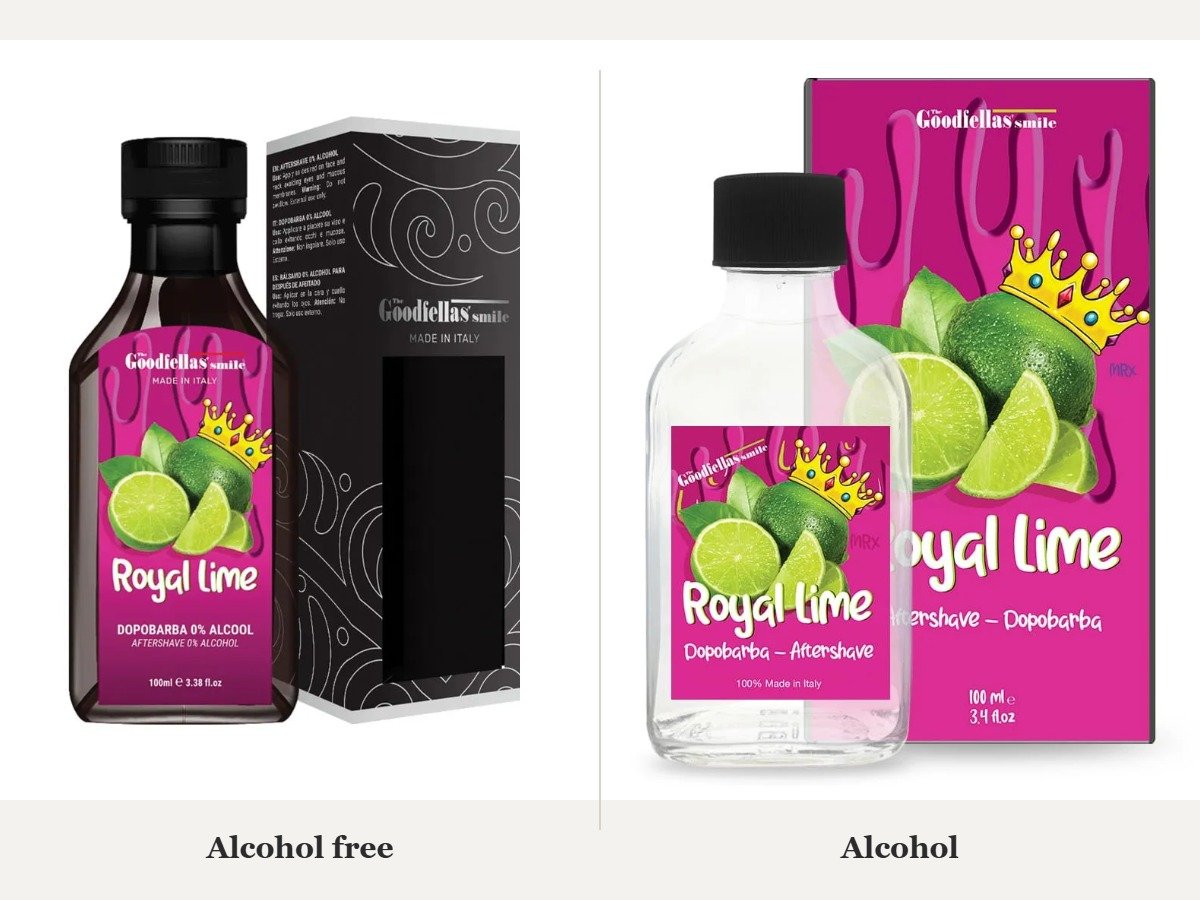
The same Goodfellas scent made both ways, plus Taconic and Cella, and how to pick the finish that suits your shave.
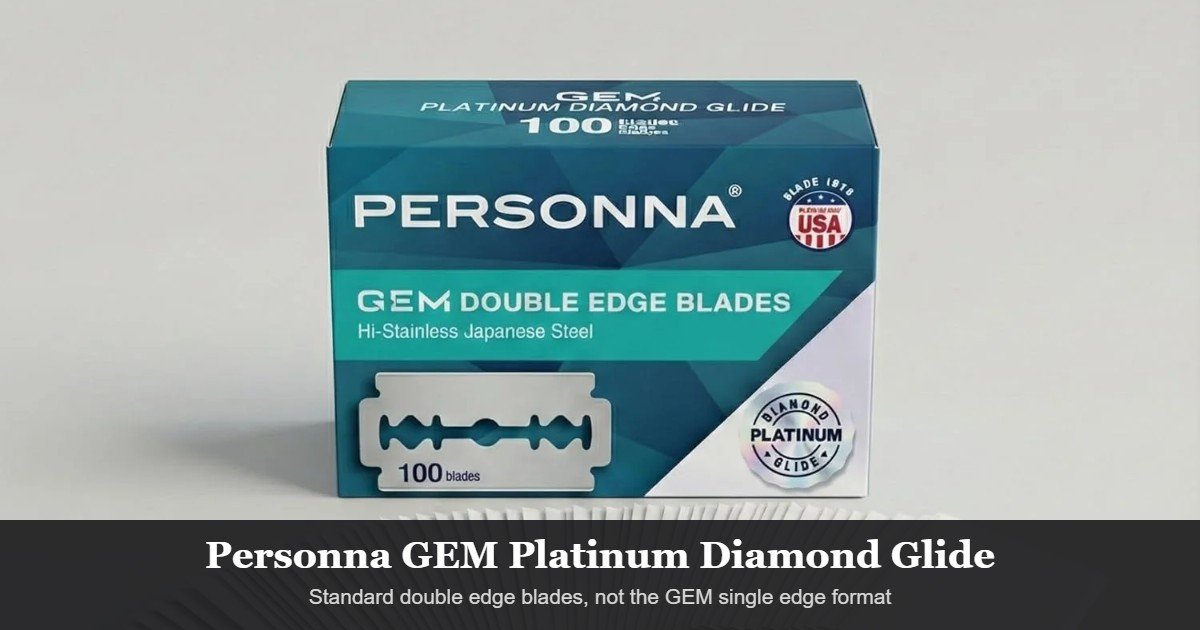
What the Personna GEM Platinum Diamond Glide actually is, what its carton says, and what wet shavers on both sides are saying.