
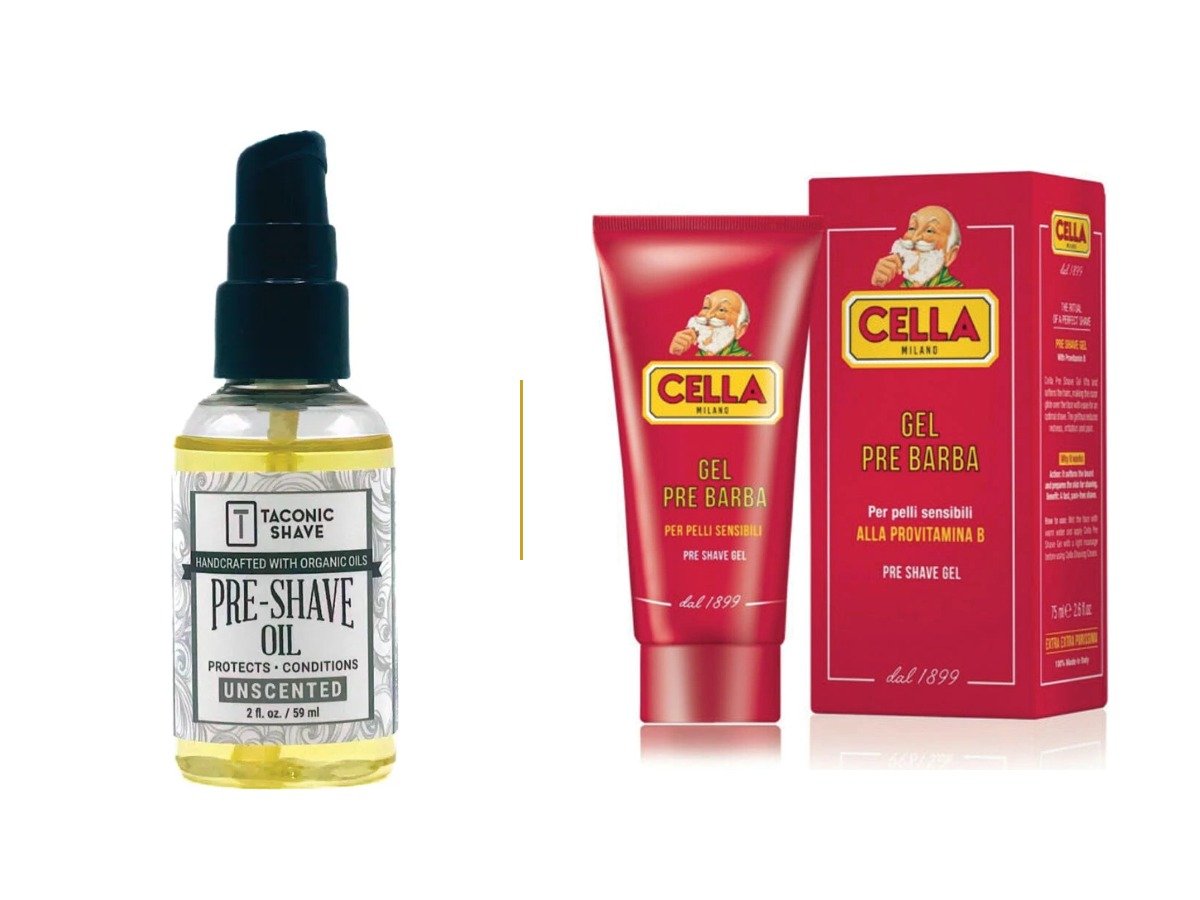
Pre-Shave Oil vs Gel: Which One Belongs in Your Routine
Pre-shave oil and pre-shave gel behave differently under lather. What each one does, how much you use, and which suits your soap and your water.
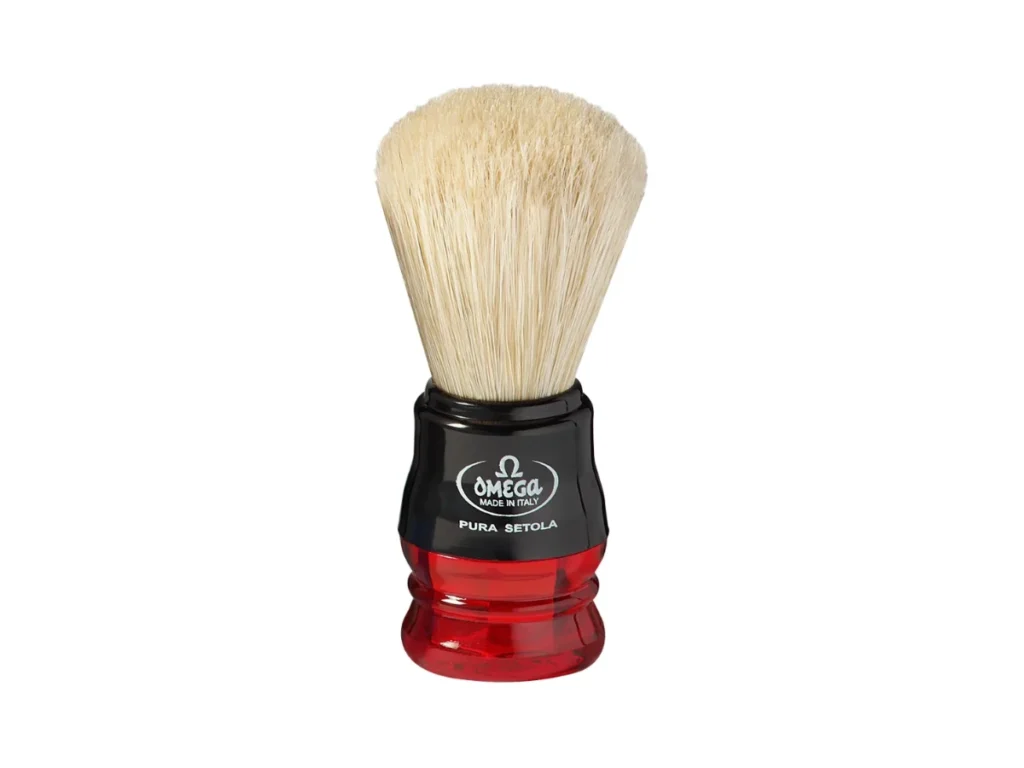
A new boar brush is stiff, prickly and often smells of the animal it came from. That is normal, and it is temporary. Here is what is actually happening and how to get through the first few weeks.
Boar bristle is a solid fibre with a tapered tip. New from the factory the tips are blunt and the bristles are uniform, which is why the brush feels scratchy and holds very little water. Use and soaking split those tips into finer strands, a process brush makers call flagging. A well broken-in boar has soft split tips and a fuller face feel while keeping the stiff backbone that makes it good at working hard soap.
Nothing you do speeds this up dramatically. It comes from lathering.
New boar often smells strongly. Badger & Blade’s community guide on breaking in a shaving brush is blunt about it and recommends washing the knot with a mild dish soap, then soaking, then lathering repeatedly. That is the approach most people settle on. Shavers generally report the smell fading over the first weeks of normal use and washing, though how long it takes varies from brush to brush.
Warm water only. Boiling water can loosen the glue that holds a knot in a handle, and on a wooden handle it can crack the finish.
There is no fixed number. Community accounts on Badger & Blade and elsewhere commonly describe a noticeable change after a few weeks of regular use and a settled brush somewhere beyond that, but it depends on how often you shave and what you lather. Judge it by feel, not by a count.
Losing a few bristles in the first weeks is normal for boar. Bristles still coming out after a month of use is not, and we would want to hear about it.
Backbone. A boar knot is stiff enough to work lather out of a hard soap puck, which a soft badger tip struggles with, and it costs a fraction of the price. Once broken in it gives a scrubby face feel that many shavers prefer. Omega has been making boar brushes in Italy for decades and they remain the default recommendation.
If you are still deciding whether boar is the right fibre for you at all, how to choose a shaving brush sets boar, badger and synthetic against each other.
Where to start: the Omega 10077 is the cheapest sensible entry, the Omega 80265 comes with a stand, and the Omega 11137 puts the same bristle on an ash wood handle. The full Shaving Brushes range has synthetic and badger alongside.
For the longer background on how these brushes are made, knot to handle, see everything about traditional shaving brushes.
A hard soap gives the bristles something to work against, which is exactly what you want during break-in. Our soaps and creams cover both hard pucks and soft Italian croaps.
Do not judge a boar brush on its first three shaves and put it in a drawer. That is the single most common reason people decide they dislike boar. The brush you own on shave one is not the brush you will own a month later, and the change is larger with boar than with any other knot type.
The second mistake is not loading long enough. A stiff new boar takes soap slowly. Give it more swirls on the puck than you think it needs and the lather problem usually solves itself.
Rinse, shake, stand it up. Do not leave it sitting in water, do not dry it on a radiator, and it will outlast several razors.
Pre-shave oil and pre-shave gel behave differently under lather. What each one does, how much you use, and which suits your soap and your water.
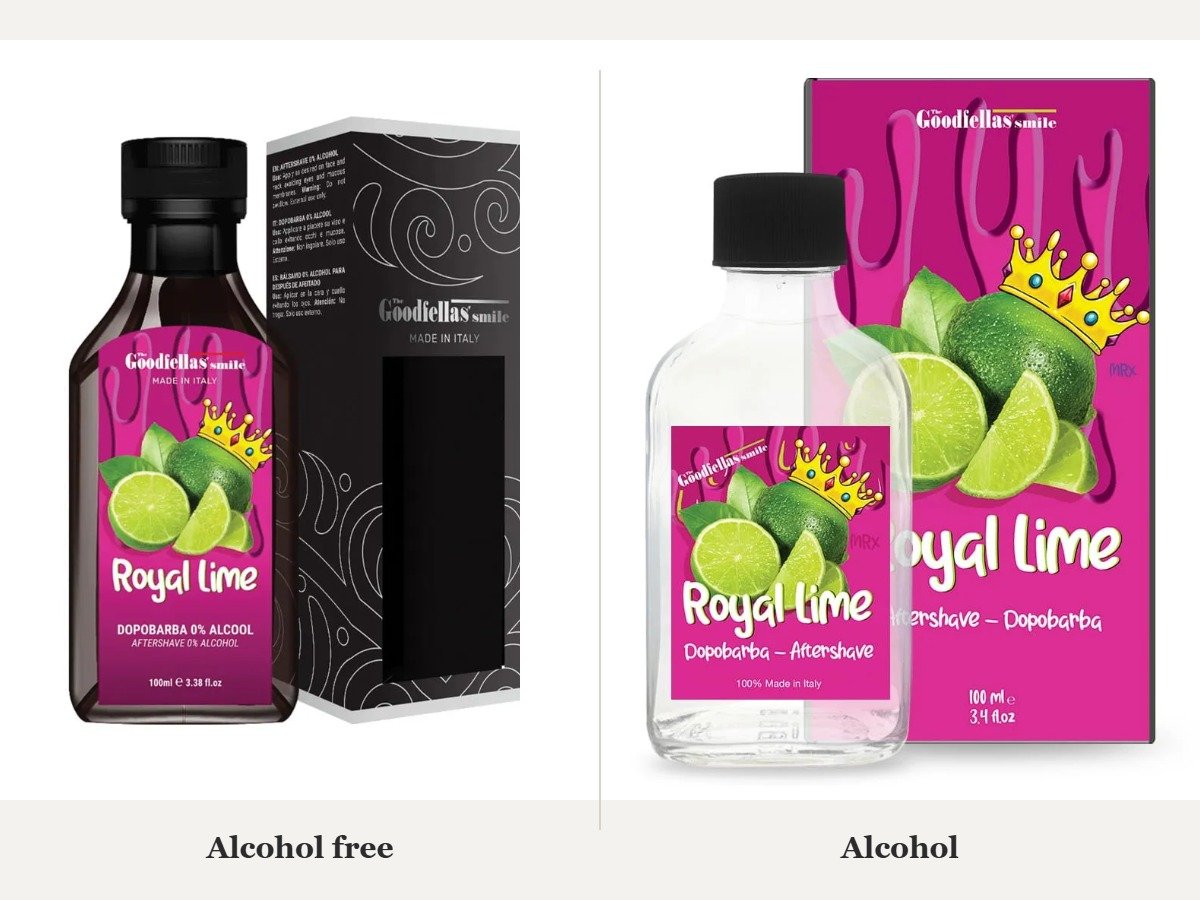
The same Goodfellas scent made both ways, plus Taconic and Cella, and how to pick the finish that suits your shave.
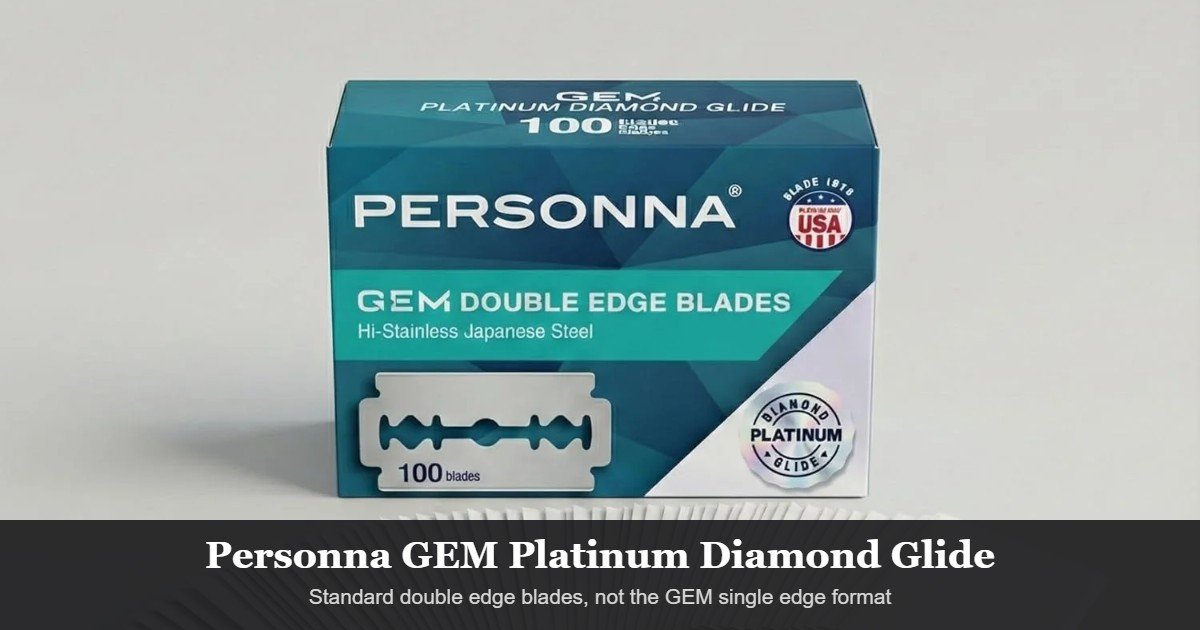
What the Personna GEM Platinum Diamond Glide actually is, what its carton says, and what wet shavers on both sides are saying.