
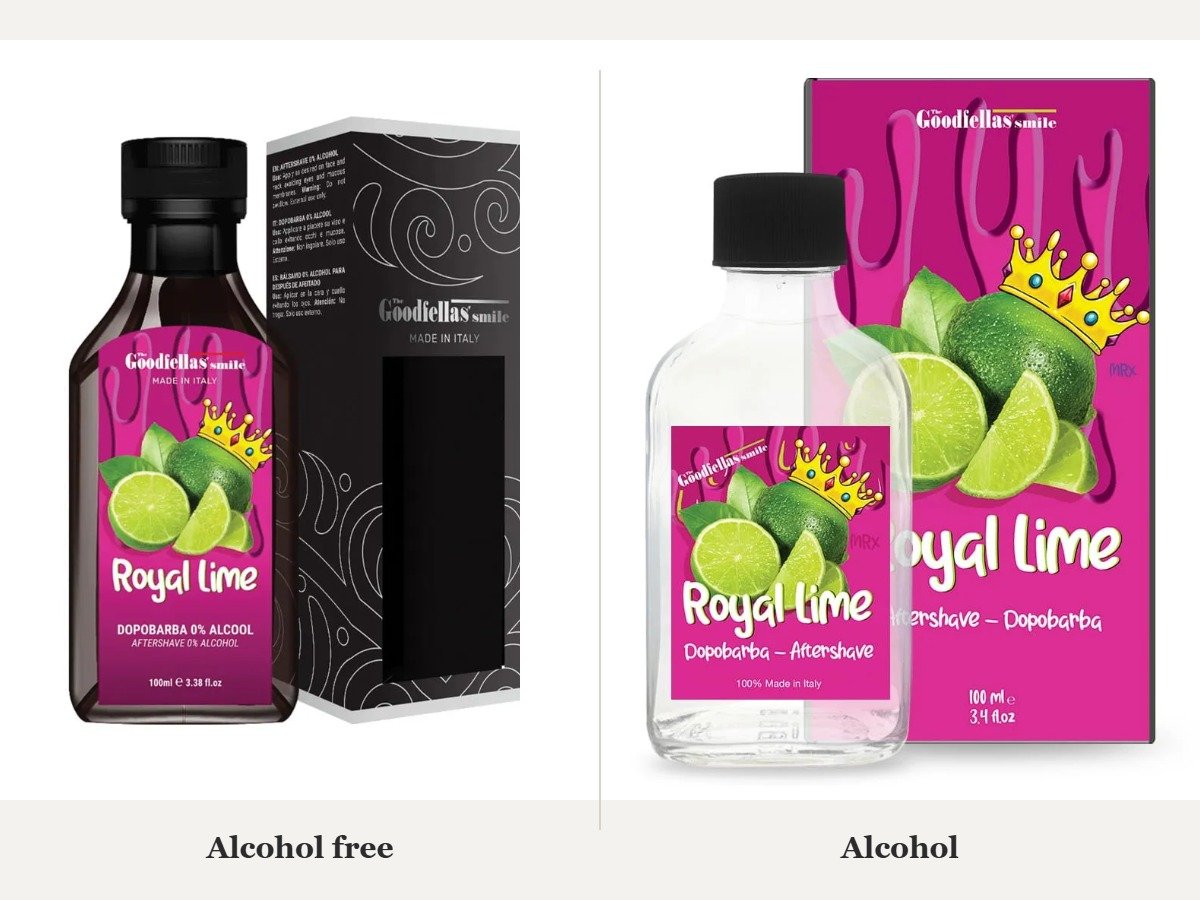
Alcohol vs Alcohol-Free Aftershave: How to Choose
The same Goodfellas scent made both ways, plus Taconic and Cella, and how to pick the finish that suits your shave.
Anyone who buys double edge blades in bulk notices the same thing eventually. Almost every blade on the shelf says stainless somewhere on the packet, and then there is one that says carbon steel, and it usually costs less than the others. The obvious question follows: is the cheap one worse, or is it just different?
It is genuinely different, and the difference is not really about the shave. It is about what happens to the blade between shaves.
Stainless steel is not a single alloy. It is a family of steels defined by how much chromium they contain. The World Stainless Association puts the threshold at a chromium content above 10.5%, which is the point where the metal starts behaving in the way we call stainless.
Carbon steel is steel without enough chromium to do that. It can be hardened and ground to a very fine edge, and it is still made and sold as a double edge blade today. What it cannot do is protect itself from moisture.
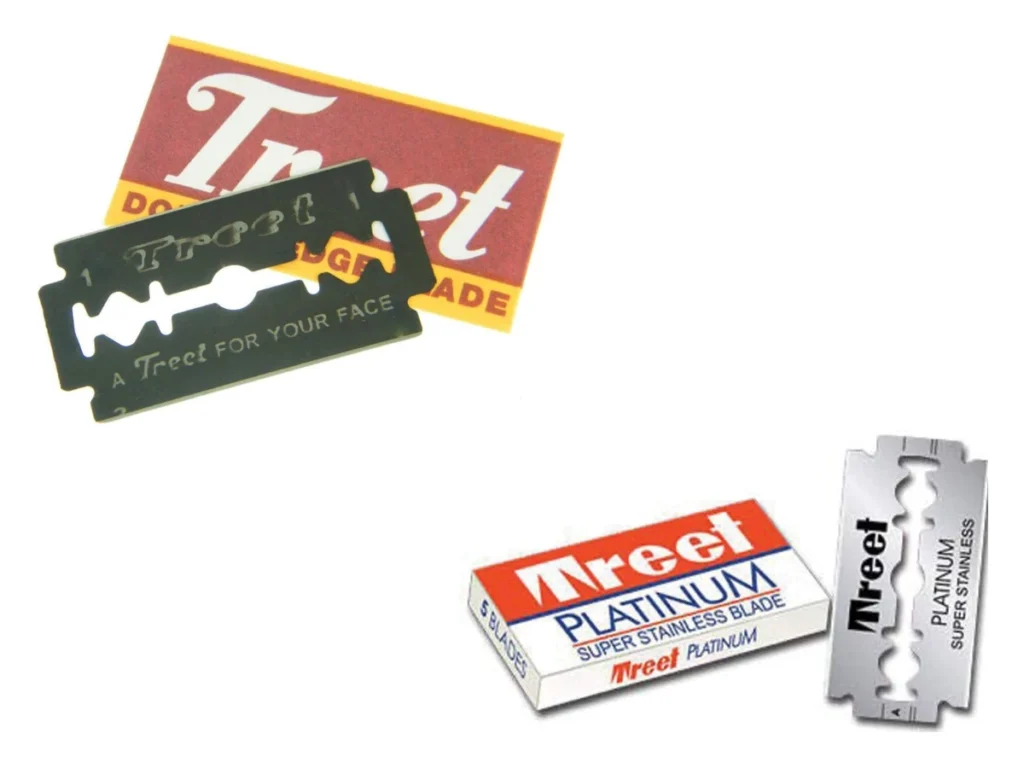
Wish4Blades stocks both from the same manufacturer, which makes this an unusually clean comparison. Treet Black Beauties are the carbon steel option, and Treet Platinum Super Stainless sits next to them on the same shelf from the same factory. Same brand, same country, different steel. That removes most of the variables that usually muddy this question.
The chromium in stainless steel reacts with oxygen to form what the World Stainless Association describes as a thin, invisible chromium-rich oxide layer that continuously regenerates when exposed to oxygen. Scratch it, and as long as oxygen is available, it re-forms. That self-repairing film is the whole trick, and it is part of the metal rather than something applied to it.
Carbon steel has no such film. Any corrosion protection it carries has to be added on top, and added protection behaves differently from built-in protection. A technical comparison published by Spirol makes the point plainly: platings and coatings are largely sacrificial, they only protect until they are depleted, and once base metal is exposed it will rust. Their conclusion about coated carbon steel is that it is a matter of when, not if, the finish will eventually fail.
None of this makes stainless invincible. The same source that describes the passive film is careful to say that no stainless steel grade is totally immune, and that chlorides and crevices can still cause trouble. A stainless blade left standing in water will not thank you either. The difference is one of degree, and in a bathroom the degree is large.
This is where a lot of blade conversations go wrong. The words on the packet often describe two unrelated things at once: what the blade is made of, and what has been applied to its edge.
Modern double edge blades are not bare metal at the cutting edge. A 2015 patent granted to BIC-Violex, one of the large blade manufacturers, describes the coating stack applied to a razor blade edge: a chromium interlayer around 20 to 30 nm thick for adhesion, a chromium and carbon hard layer of roughly 30 to 200 nm to strengthen the edge, and a fluorinated polymer top coat, PTFE, whose stated purpose is to reduce friction of the razor blade on the skin when shaving.
So when a packet says platinum, or polymer, or PTFE, that is describing an edge treatment measured in nanometres, not the steel the blade is stamped from. Feather’s Hi-Stainless Platinum Coated blades are stainless steel with a coating. Treet’s Black Beauties are carbon steel. Those are answers to two different questions, and a blade can vary on either axis independently.
It also means a coating can change how a blade feels without changing what it is made of, which is one reason two blades of the same steel from different factories can feel nothing alike.
Platinum is not a third type of steel. A “platinum” blade is a stainless (or occasionally carbon) steel blade whose edge carries a very thin platinum or platinum-chrome coating, usually with a polymer layer on top. The coating is meant to help the edge glide and last, while the steel underneath decides how well the blade resists rust.
| What it is | Rust resistance | |
|---|---|---|
| Carbon steel | A steel type, no chromium | Low; dry it and do not leave it wet |
| Stainless steel | A steel type with chromium | High in normal bathroom use |
| Platinum coated | An edge coating on (usually) stainless steel | Follows the steel underneath |
A double edge blade spends a few minutes being used and the rest of its life sitting in a warm, humid room, usually still wet.
For a stainless blade, that is mostly uneventful. The passive layer does its job and the blade is generally still serviceable several shaves later.
For a carbon steel blade, moisture is the clock. Left wet, carbon steel can start to show discolouration or spotting far sooner than stainless would, and an edge that has begun to corrode is not an edge you want on your face. This is the single practical fact that should drive the decision, and it is mechanical rather than a matter of opinion.
It is worth being honest about the limits of what anyone can tell you here. How many shaves you get from any blade depends on your beard, your water, your razor, your technique and how you store the thing. Those variables are large enough that no blanket number is trustworthy, for either material.
If you do run carbon steel, the routine is simple and it is the same routine that is good practice anyway, just less forgiving.
Rinse the blade thoroughly at the end of the shave, shake the water off, and let it dry somewhere with moving air rather than sealed in a closed razor head in a steamy shower cubicle. Some shavers dry the blade on a towel before putting the razor away. Many take the razor apart between shaves so nothing sits trapped against wet metal.
We have written about this in more detail in razor and blade care, and everything there applies to stainless too. It just costs you less when you forget.
Carefully: it can, and it does not do so predictably.
Carbon steel can take and hold a very fine edge. Some shavers find carbon steel double edge blades noticeably keen. Others find them ordinary, or find that the feel drops off faster than they expected.
What is not true is that carbon steel is automatically sharper, smoother or better than stainless, or that stainless is automatically more comfortable. The grind, the coating, the factory and the tolerances all matter, and two blades of the same steel from different factories can feel completely different. That is a good reason to treat the make of the blade as at least as important as the metal it is stamped from. Our comparison of Feather and Astra covers that point using two stainless blades that feel nothing like each other.
Treat material as a question about maintenance and cost, and treat feel as a question you answer by testing.
Someone who shaves daily, changes blades often, and has a habit of rinsing and drying properly. If a blade is going in the bin after two or three shaves anyway, the corrosion window barely opens, and the low price per blade becomes the main consideration.
Someone curious about how shaving felt before stainless blades were the default. That is a legitimate reason and carbon steel is the cheapest way to find out.
Someone who already knows they like a particular carbon steel blade. Preference beats theory.
Someone who shaves two or three times a week and wants a blade to sit in the razor between shaves without being babied.
Someone in a humid bathroom with poor ventilation, or a home where the razor lives in a shower rather than on a shelf.
Someone new to double edge shaving. There are enough variables to learn at the start without adding a material that punishes a forgotten rinse. Our guide to choosing your first safety razor is the better place to start.
And frankly, most shavers. The stainless range is where almost the entire modern blade market sits, and the price difference on a per-shave basis is small.
Not by reading, including this. Blade preference is stubbornly individual, and the only reliable method is to try several blades in the same razor, with the same soap, over consecutive weeks, and pay attention.
That is exactly what a sampler is for, and it is why we keep them in a range of sizes. A sampler lets you hold the razor and the technique constant and change only the blade, which is the one comparison that actually tells you something. We have written a full guide to how to choose and test a DE razor blade sampler pack, including how many shaves to give each blade before judging it.
If you want to test carbon steel specifically, buy a small quantity alongside a stainless blade you already like, and run them in alternate weeks in the same razor. Note what happens on day three, not just day one. The difference between the two materials shows up in how the blade ages, and that is not something a first shave will tell you.
Stainless steel carries its corrosion resistance inside the metal, in a chromium oxide film that repairs itself. Carbon steel does not, so it depends on coatings and on you drying it. Coatings are an edge treatment measured in nanometres and are a separate question from what the blade is made of. Neither material is inherently the better shave. In practice, the result depends more on the blade, coating, razor, beard, water and technique than on the steel label alone.
Choose stainless if you want a blade that tolerates being forgotten. Choose carbon steel if you shave often, dry it properly, and are curious.
Blades compared in this guide:
The same Goodfellas scent made both ways, plus Taconic and Cella, and how to pick the finish that suits your shave.
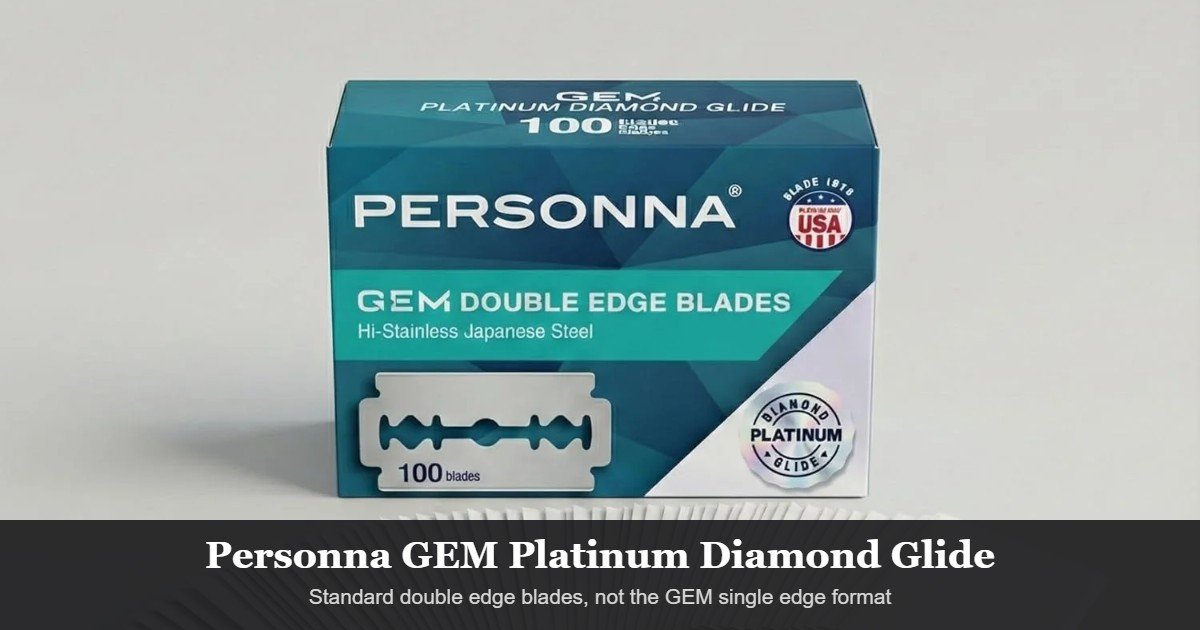
What the Personna GEM Platinum Diamond Glide actually is, what its carton says, and what wet shavers on both sides are saying.
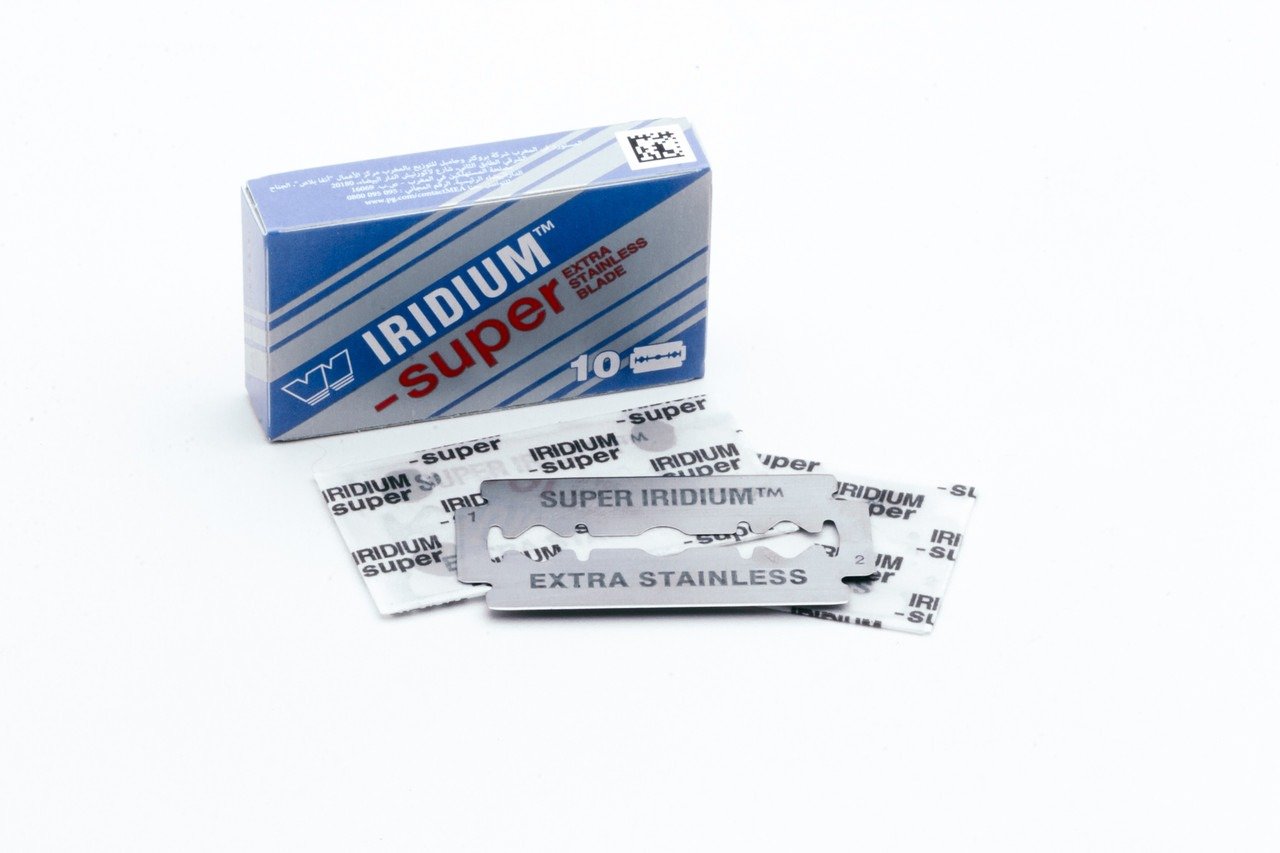
Wizamet Super Iridium has one of the most loyal followings in wet shaving. What experienced shavers actually say about it, where it is made, how it compares to Feather, Nacet and Astra, and why not everyone agrees.