
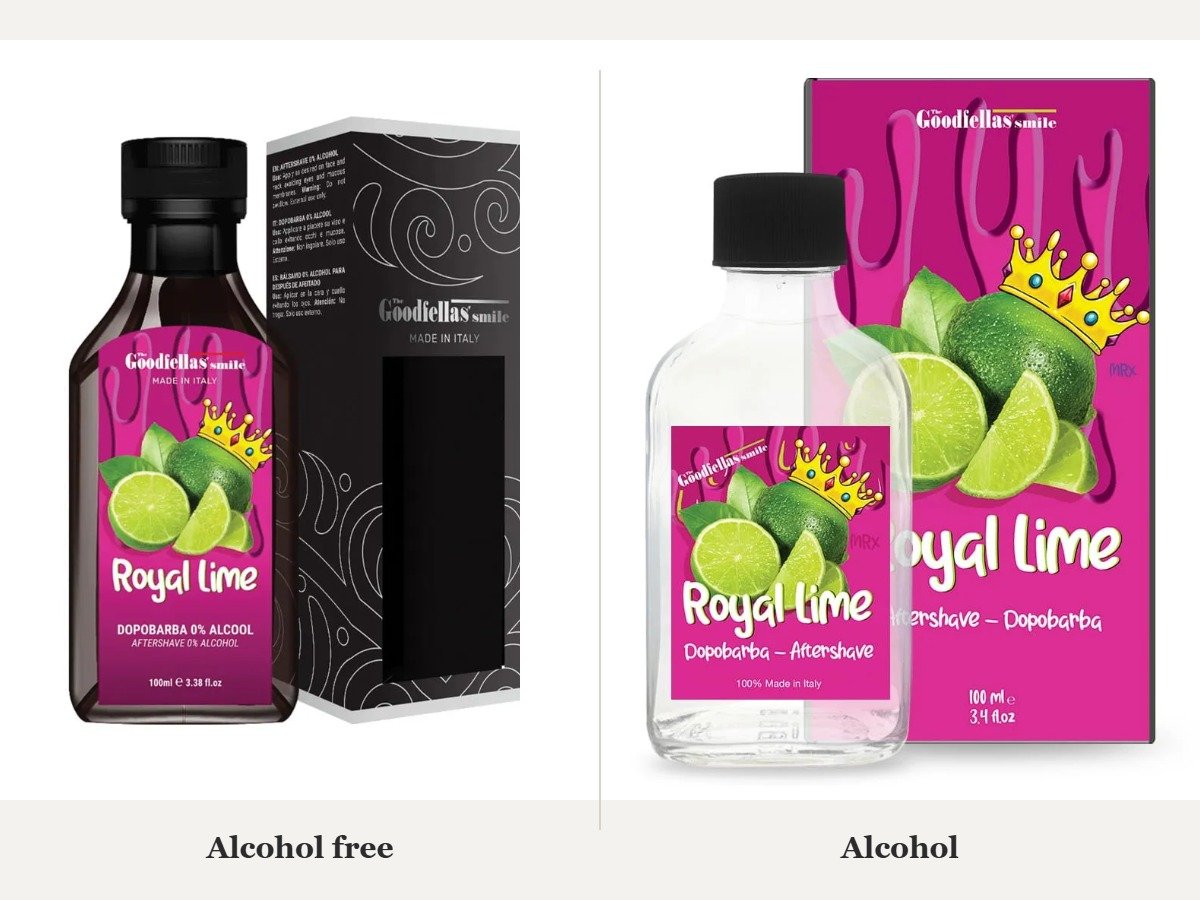
Alcohol vs Alcohol-Free Aftershave: How to Choose
The same Goodfellas scent made both ways, plus Taconic and Cella, and how to pick the finish that suits your shave.
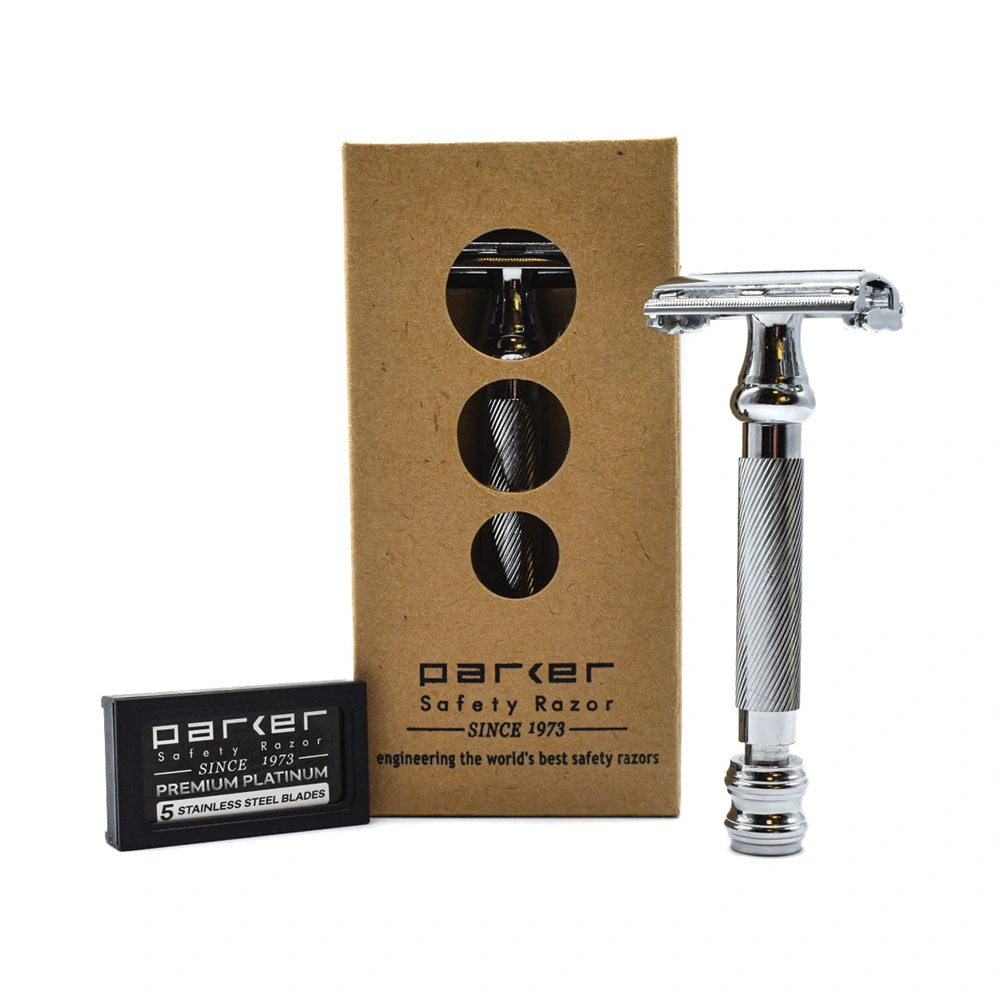
Two safety razors can shave identically and load a blade completely differently. One twists open at the base of the handle. The other comes apart into three pieces in your hand. Almost every double edge razor on the market is one or the other, and choosing between them is one of the first decisions a new wet shaver has to make.
It is also the decision people overthink most, because the mechanism changes less about the shave than it seems.
A butterfly razor, also called a twist to open (TTO) razor, is a double edge safety razor whose head opens like two doors when you turn the knob at the bottom of the handle. You drop a blade in, turn the knob back, and the doors clamp it shut, so the razor never comes apart. A three piece razor instead unscrews into a cap, a base plate and a handle.
Buy a butterfly if you value speed and never want to handle a loose blade. Buy a three piece if you value simplicity, easy cleaning and the widest choice of head designs.
Neither is milder. Neither gives a closer shave. The mechanism is about how you live with the razor, not about what it does to your face.
A butterfly razor, also called twist to open or TTO, is a single assembled unit. A knob at the base of the handle turns, and two doors in the top cap swing open like wings. Drop the blade in flat, twist the knob back, and the doors close and clamp it.
What you get from that:
What you give up:
Our butterfly range runs from the Feather Popular at $22.79 up to the Parker 99R Chrome Super Heavyweight at $43.20, with nineteen models in butterfly twist-to-open razors.
A three piece separates into a handle, a base plate and a top cap. The blade sits on the base plate, the top cap goes over it, and screwing the handle in clamps the whole sandwich together.
What you get:
What you give up:
The three piece range is larger and starts lower: thirty-nine models in three-piece safety razors, from the Lord L125 at $6.84 to the Parker 78R closed comb at $32.74 and beyond.
This is the part worth reading twice, because it saves money.
How aggressive a razor feels comes from blade gap, blade exposure and the geometry of the head and guard. It does not come from whether the razor opens at the top or unscrews at the bottom. A mild butterfly and a mild three piece feel like each other. An efficient butterfly and an efficient three piece feel like each other.
The things that actually change your shave, roughly in order of how much difference they make, are your lather, your angle, your pressure and your blade. All four are cheap to improve. None of them care about the mechanism.
If you want to go a level deeper on head design, we have written about open comb versus closed comb safety razors, which is the comparison that does change how the razor behaves.
A three piece is the easier of the two to clean thoroughly, simply because it comes apart. Rinse the three pieces, dry them, done.
A butterfly is not difficult, it just needs slightly more attention. Open the doors under running water so the inside of the head rinses out, close it, shake it dry and stand it somewhere with air around it. Soap left inside a mechanism is what causes problems over years, not the mechanism itself.
Either design can last decades with that habit. What kills razors is not the design, it is corrosion, and corrosion comes from a wet razor left in a closed bathroom. Our guide to razor and blade care covers the whole thirty second routine.
Three other terms come up in the same conversation and none of them are alternatives to butterfly or three piece.
Open comb describes the guard, not the mechanism. In our range the open comb models, such as the Parker 24C and 26C, are all three piece.
Slant describes the angle the head holds the blade at. The Parker Semi-Slant is a three piece.
Adjustable means a dial changes the blade gap, so one razor covers a range of settings. There are six in adjustable safety razors, including the Parker Variant. If you genuinely cannot decide how mild you want your razor to be, an adjustable is a more useful answer than agonising over the mechanism.
Choose a butterfly if you are coming from cartridges and want the transition to feel easy, you shave in a hurry, you travel and want one object rather than three, or the idea of handling a bare blade is what has been stopping you.
Choose a three piece if you want the simplest possible object, you like the idea of something with nothing to break, you want an open comb or a slant, or you are working to a tight budget, since three piece razors start considerably lower.
Either is fine if you have no strong feeling. In that case pick on weight, handle length and finish, because those are the things you will actually notice every morning. A razor you enjoy picking up gets used.
| Butterfly (TTO) | Three piece | |
|---|---|---|
| Changing a blade | Turn the knob, drop the blade in, close | Unscrew, place the blade, screw back together |
| Cleaning | Rinse with the doors open; the mechanism can hold soap | Comes fully apart for a complete rinse |
| Moving parts | Hinged doors and a twist mechanism | Almost none, very little to wear |
| Travel | One piece, nothing to lose | Small parts to keep together |
Butterfly razors in stock include the Parker 96R long handle, Parker 22R gunmetal, Parker 74R satin chrome and Parker 99R chrome. See all butterfly razors and three piece razors.
Buy a blade sampler at the same time. The blade changes how a razor feels far more than the mechanism does, and the cheapest way to improve a shave is to find the blade that suits the razor you just bought. We have written about how to run that test properly.
All of it ships from Montreal. Browse the full range of double edge safety razors, or go straight to butterfly or three piece.
Prices and model counts quoted are correct at the time of writing.
Still deciding between a razor that is set at the factory and one you can dial in? See adjustable vs fixed safety razors.
New to traditional shaving? Start with how to choose your first safety razor, which takes all five decisions in order.
New to wet shaving? Our beginner’s guide to wet shaving walks through the whole routine, from prep to aftershave.
The same Goodfellas scent made both ways, plus Taconic and Cella, and how to pick the finish that suits your shave.
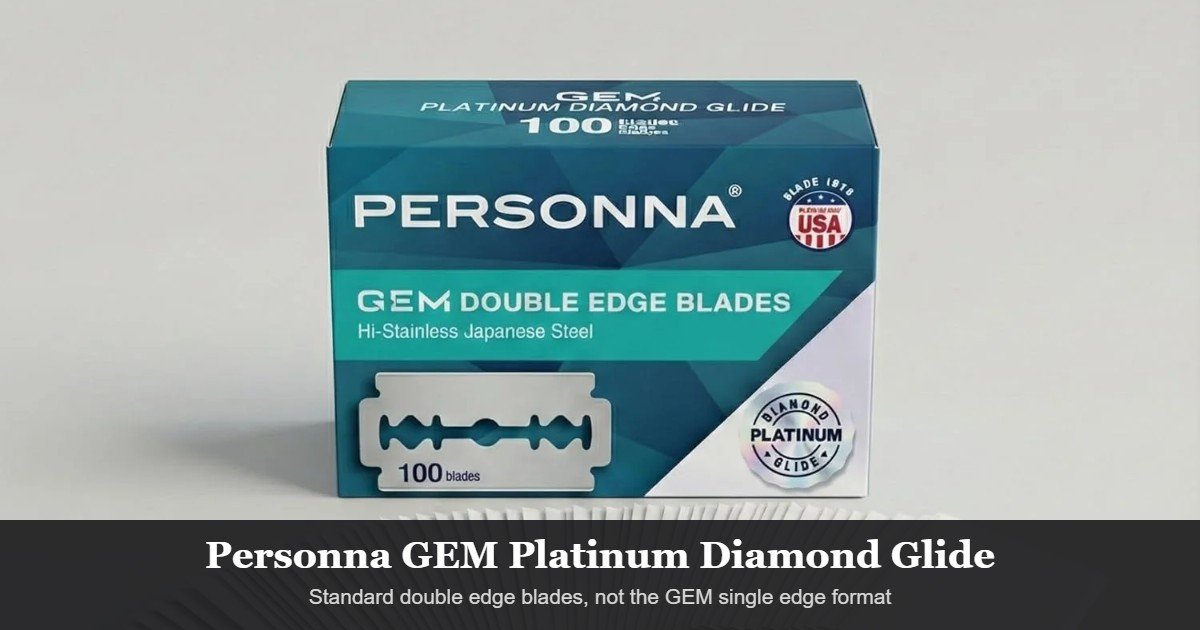
What the Personna GEM Platinum Diamond Glide actually is, what its carton says, and what wet shavers on both sides are saying.
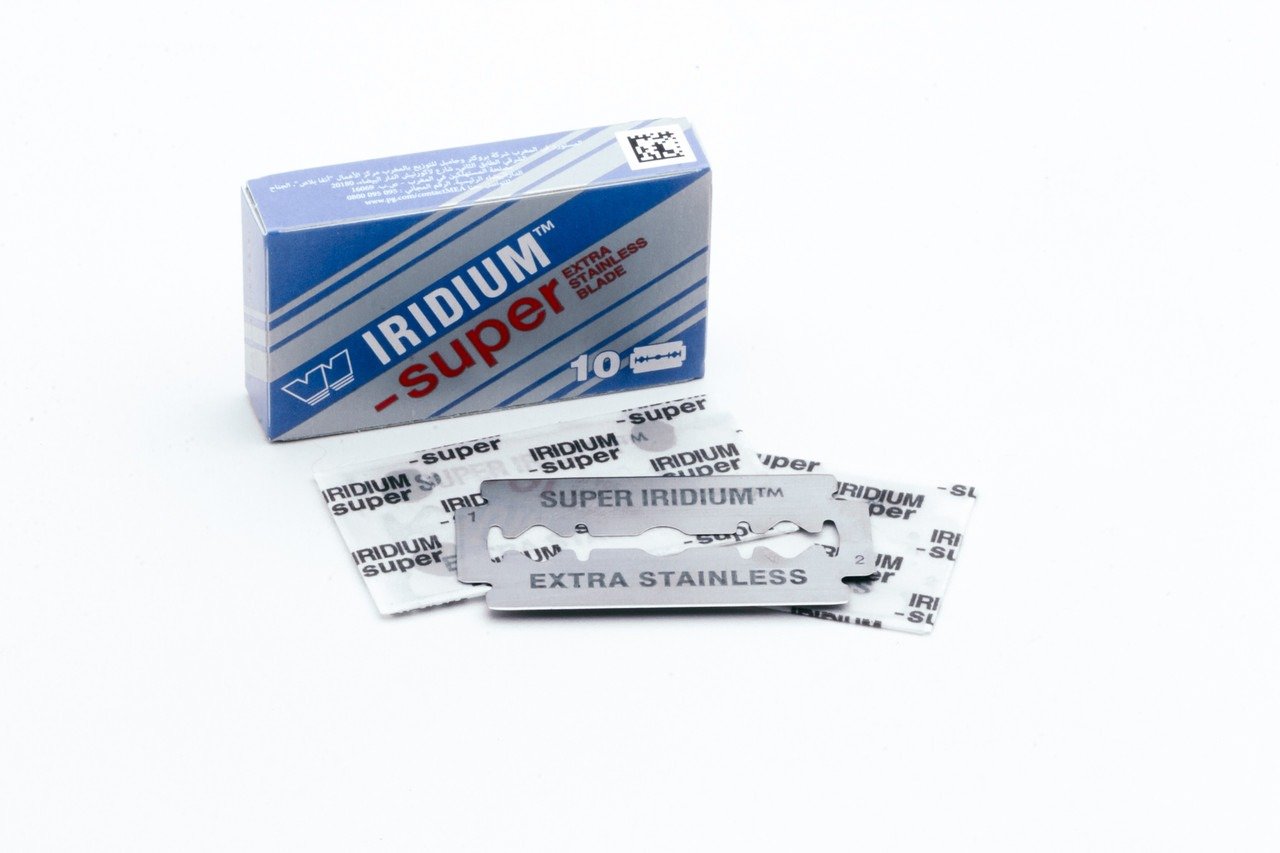
Wizamet Super Iridium has one of the most loyal followings in wet shaving. What experienced shavers actually say about it, where it is made, how it compares to Feather, Nacet and Astra, and why not everyone agrees.