
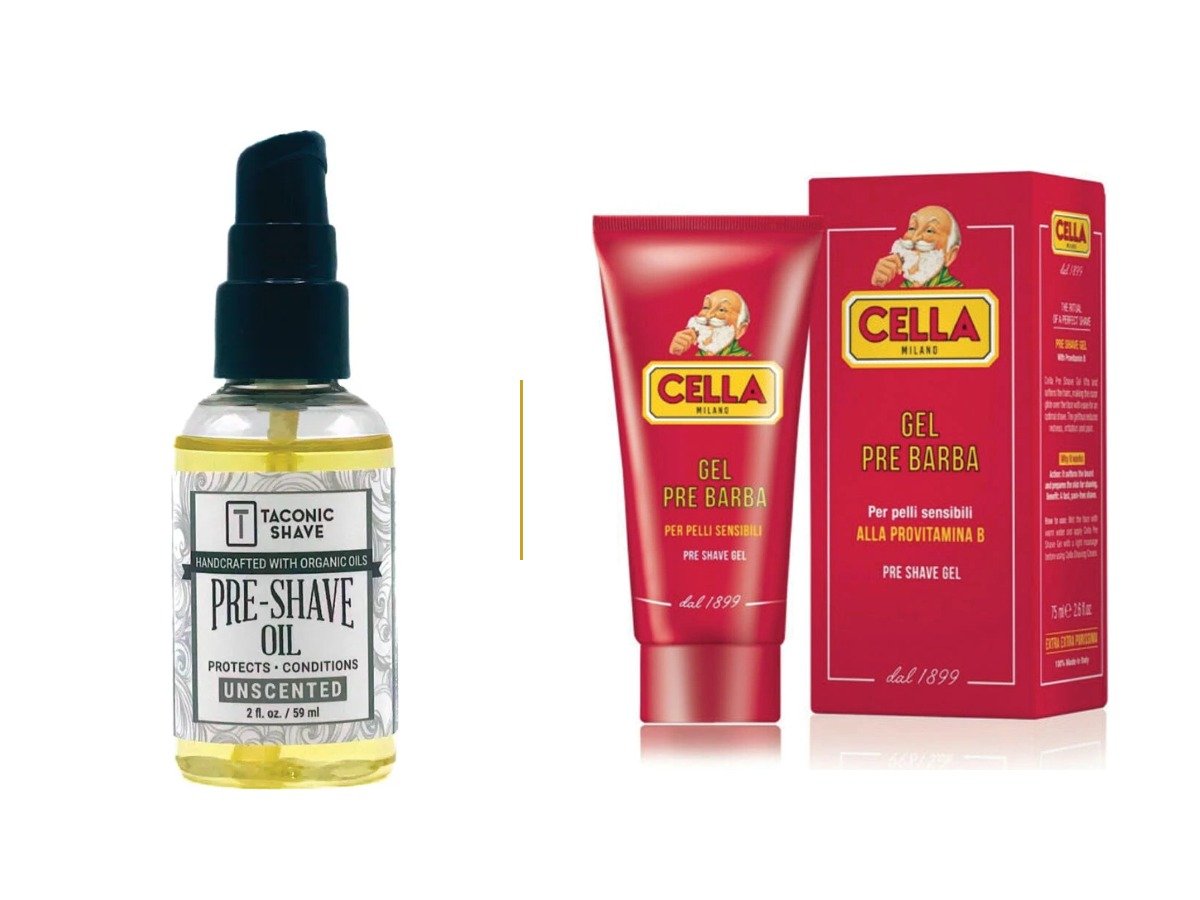
Pre-Shave Oil vs Gel: Which One Belongs in Your Routine
Pre-shave oil and pre-shave gel behave differently under lather. What each one does, how much you use, and which suits your soap and your water.
Two products sit on the shelf at the end of a traditional shave, and new wet shavers often assume they are alternatives. They are not. An alum block and an aftershave splash do different jobs, at different moments, and plenty of shavers use both in the same routine.
Here is what each one actually is, what it is for, and how to decide whether you need one, the other, or neither.
They do different jobs, so neither one is simply better. Many shavers rub on alum first to calm small nicks and see where the shave was rough, rinse it off, then finish with an aftershave. Others are happy with just one. Your skin is the best guide.
An alum block is a solid mineral bar you wet and rub over the skin straight after rinsing. An aftershave splash is a liquid, usually alcohol-based, that goes on last and carries the fragrance. If you use both, the alum goes first and gets rinsed off before the splash goes on.
Alum is potassium alum, a naturally occurring mineral salt. It has been used on freshly shaved skin for a very long time. Parker notes the material was in use by the Egyptians over 4,000 years ago, which makes it comfortably the oldest thing in the modern wet shaving cupboard.
It arrives as a solid translucent bar. Parker’s alum block is 125 g of potash alum and ships in a plastic travel case. Pearl’s block is 100 g of pure fitkari, which is the same stone under its traditional South Asian name. Parker states a block of that size lasts for years, and in practice that is not marketing: you are removing a microscopic amount of the surface each time.
Alum is an astringent, which is a physical property rather than a claim. It contracts the surface of the skin. That is the whole of its mechanism and everything else follows from it.
Parker’s own directions are about as simple as instructions get. Wet the bar in cold water, rub it over the shaved area, wait around thirty seconds, then rinse your face with cold water.
Two details matter. Use cold water, not warm. And rinse the alum off afterwards rather than leaving it on the skin, unless you specifically prefer the tight feeling it leaves. Then dry the bar completely and put it back in its case. Alum is water-soluble, so a block left sitting in a puddle on the edge of the sink will dissolve itself over a few months. That is the only way most people ever manage to lose one.
There is also a stick format. The Omega alum stick is the same mineral in a twist-up body, which travels better than a loose block.
A splash is a liquid finish, traditionally alcohol-based, poured into the palm and patted onto the face. It is the step that gives the shave its scent, and for a lot of shavers it is the main reason the routine is enjoyable rather than merely functional.
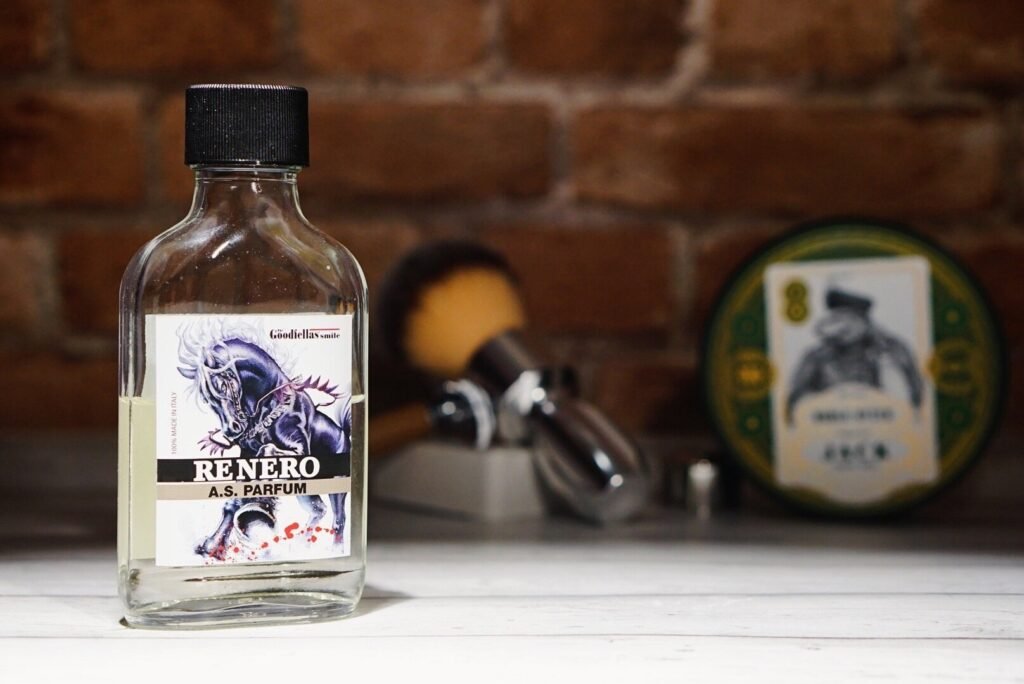
The Goodfellas’ Smile Re Nero is a good example of the modern end of the category: an alcohol splash in a 100 ml glass bottle with a screw cap and no atomizer, which is exactly how traditional splashes have always been packaged. The maker publishes grapefruit, orange and neroli at the top, black pepper and pelargonium in the heart, then patchouli and cedarwood underneath, so it wears more like a fragrance than a plain barbershop scent.
That is the real difference between a splash and a cologne, incidentally: concentration and intent. A splash is meant to be used generously on freshly shaved skin and to fade over a few hours. A cologne is meant to last.
Not everyone wants alcohol on their face, and the alternative to a splash is a balm. A balm is a cream rather than a liquid, and the good ones state plainly whether they contain alcohol. Cella’s after shave balm is alcohol-free, on Cella’s own statement, with shea butter as its base.
If your skin does not get on with splashes, a balm is the straightforward answer, and you can still use alum before it. Browse the full aftershaves range to see what is stocked in both formats.
Both alum and an alcohol splash produce a noticeable sensation on fresh skin, and this is where a genuinely useful piece of feedback hides.
If the alum sting is strong and lasts, that usually tells you the shave itself was harsher than it should have been. Too much pressure, too many passes over the same patch, a blade past its best, or a lather that was too dry. Shavers who pay attention use the alum as a diagnostic: a routine that produces almost no sting is a routine that is working.
So if you are new and the sting is unpleasant, the answer is usually not to stop using alum. It is to look at pressure and blade age first. Our guide to choosing your first safety razor covers how razor aggression fits into that, and the soap you use changes how much cushion the lather gives you.
Buy an alum block if you are still learning, you shave against the grain, or you want honest feedback on your technique. It is inexpensive, it lasts years, and it is the single cheapest diagnostic tool in wet shaving.
Buy an aftershave splash if you want the scent and the finish, which for most people is the point of a traditional shave in the first place. This is the part of the routine you look forward to.
Buy both if you want the full traditional sequence. They cost very little together and they are not doing the same job, so there is no redundancy.
Buy a balm instead of a splash if alcohol does not suit you. Look for a product that states its position on alcohol clearly rather than one you have to guess at.
| Alum block | Aftershave | |
|---|---|---|
| What it does | Astringent mineral bar, often used on small nicks and to show where the blade was rough | Finishes the shave and adds fragrance; balms also soften the skin |
| How it feels | Cool, can feel tight or slightly drying | Splashes usually tingle; balms feel softer |
| When to use it | Straight after rinsing, then rinse it off | Last step of the routine |
Neither is better. They do different jobs, and plenty of shavers use both.
Usually before. Rub on alum after rinsing, give it a moment, rinse it off, then apply your aftershave.
Many shavers do. If your skin starts to feel tight or dry, use it less often or switch to a balm.
The full traditional finish runs in this sequence: rinse with cold water, apply alum and wait about thirty seconds, rinse again, pat dry, then apply the splash or balm. Nothing else needs to happen in between.
Skipping straight from the rinse to the splash is perfectly normal and is what most shavers do day to day. The alum step earns its place when the shave was close, when you were in a hurry, or when you are still working out your angles.
One last practical note that applies to both: keep the caps on and the block dry. Post-shave products live in the wettest room in the house, and that is what shortens their life far more than use. The same principle covers your hardware, which is the subject of our guide to razor and blade care.
If the question you are actually weighing up is not alum versus splash but what goes on last, our comparison of an aftershave splash against a balm covers how alcohol, texture and scent differ between the two, and when each one suits.
Products in this guide:
Pre-shave oil and pre-shave gel behave differently under lather. What each one does, how much you use, and which suits your soap and your water.
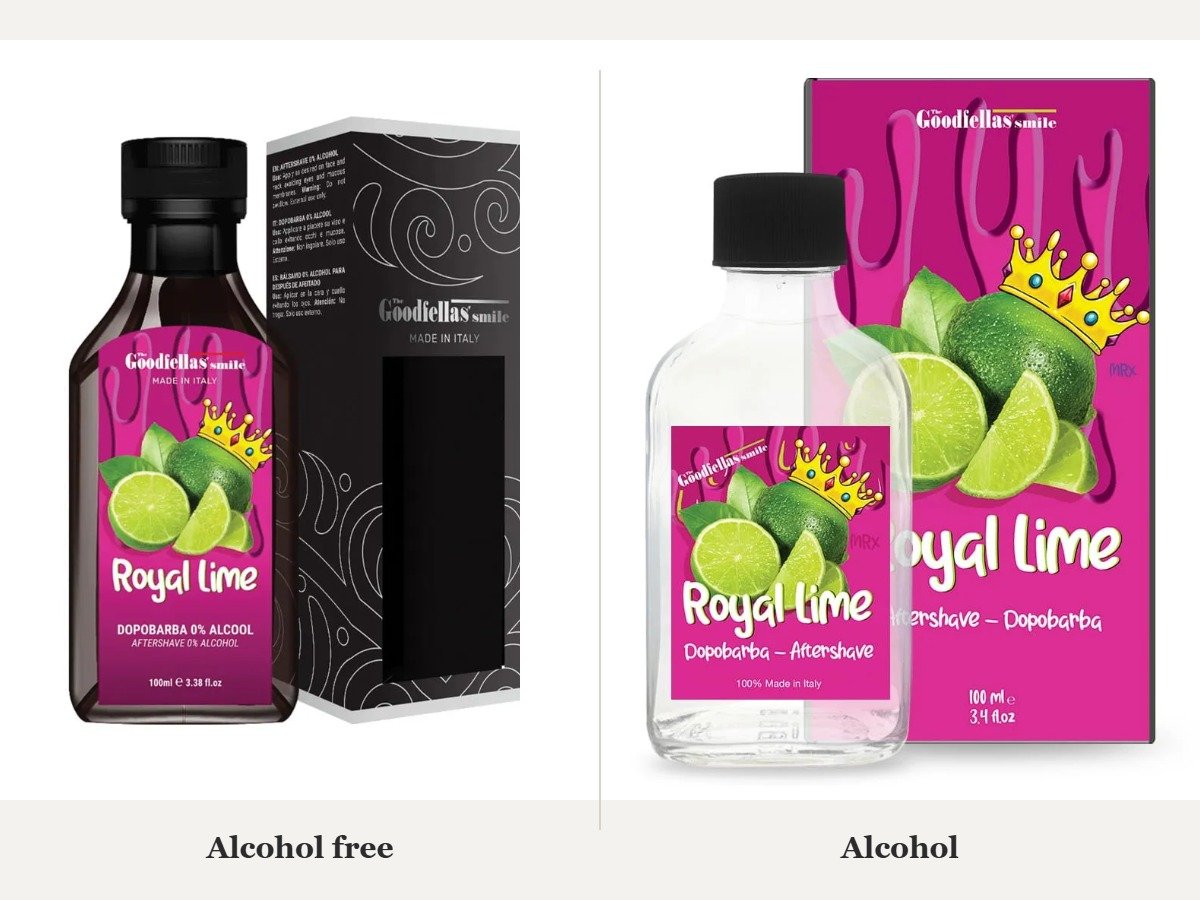
The same Goodfellas scent made both ways, plus Taconic and Cella, and how to pick the finish that suits your shave.
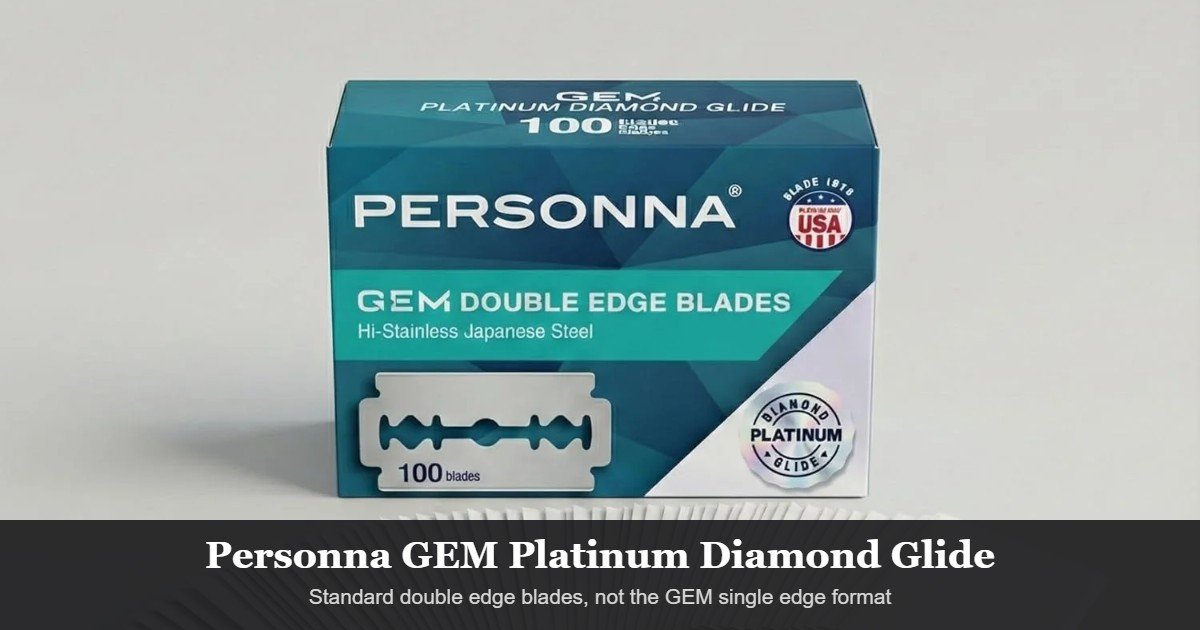
What the Personna GEM Platinum Diamond Glide actually is, what its carton says, and what wet shavers on both sides are saying.