
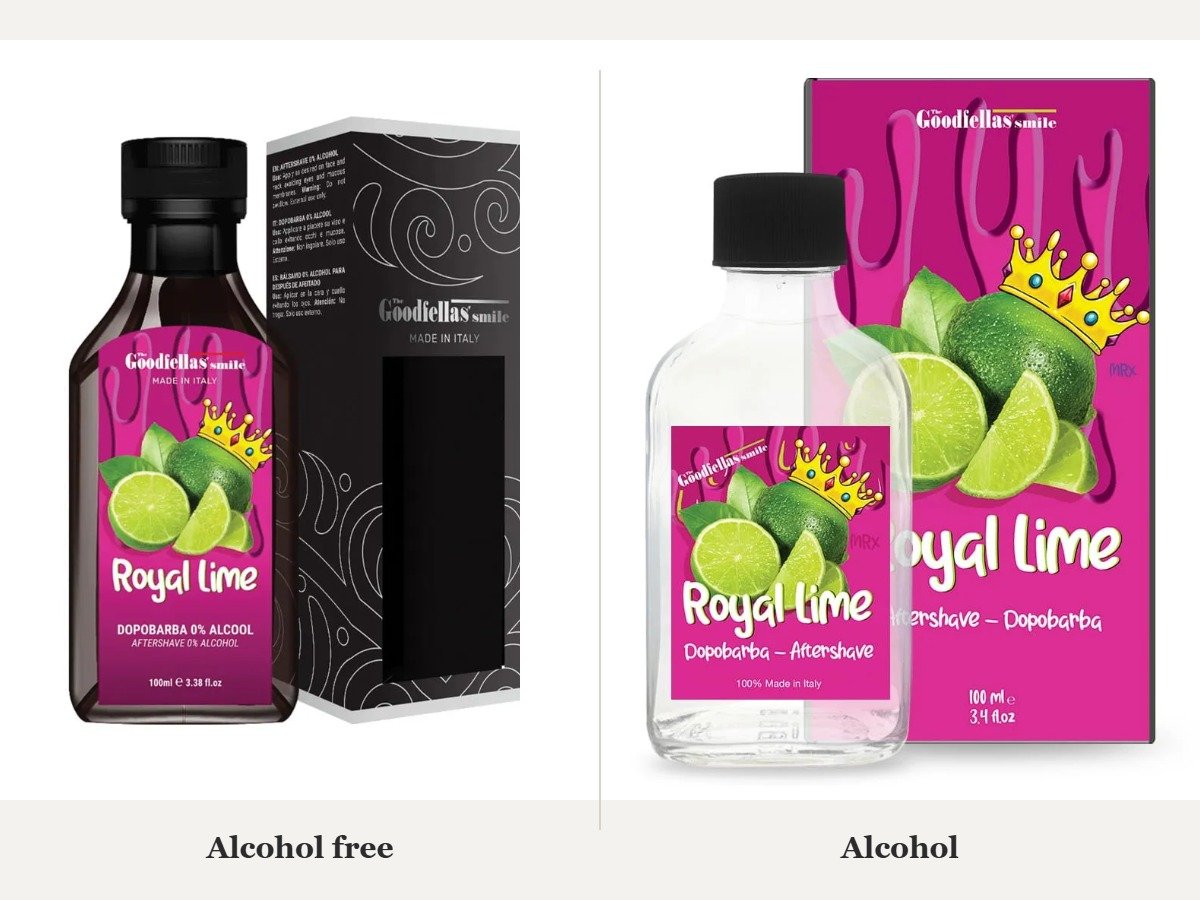
Alcohol vs Alcohol-Free Aftershave: How to Choose
The same Goodfellas scent made both ways, plus Taconic and Cella, and how to pick the finish that suits your shave.
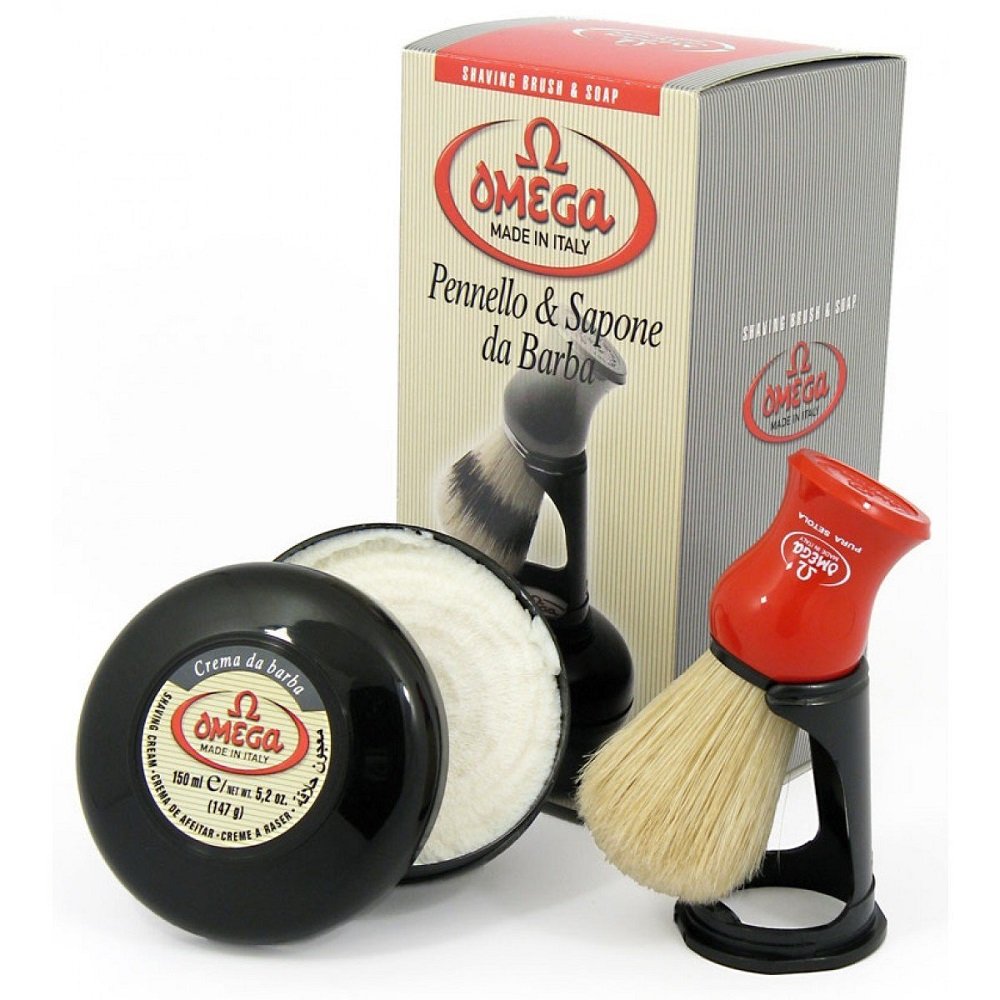
You have a good soap, a decent brush, and the lather still collapses into a thin grey film. Before you blame the soap, check the water. Hard water is the most common reason a lather refuses to build, and it is one of the easiest things to work around once you know what is happening.
Hard water contains dissolved calcium and magnesium. Traditional shaving soap is made from fatty acids saponified with sodium or potassium hydroxide, and those fatty acid salts are what create lather.
When soap meets calcium and magnesium, the fatty acids bind to those minerals instead of dispersing into the water. The result is an insoluble residue, the same soap scum you see in a bathtub. Every bit of soap that goes into scum is soap that is not making lather.
So in hard water you are not doing anything wrong technically. You are simply losing a portion of every load of soap to the minerals before the brush ever gets a chance to whip it.
Three signs point at water rather than technique:
The cleanest test is below. If distilled water fixes it, the problem is not you.
This is the cheapest fix and it works surprisingly well. Because some of the soap is being consumed by minerals, you simply need more of it in the brush.
Load for longer than feels reasonable. Where you might swirl a damp brush on a hard soap for fifteen seconds in soft water, go for thirty to forty seconds in hard water, until the brush is properly loaded and the surface of the soap looks worked. Then start building with very little water and add it in small amounts.
Starting dry matters. If you start wet, you dilute a lather that was already short of soap and it never recovers. Starting dry and adding water gives you a chance to stop at the right point.
Distilled water has essentially no calcium or magnesium, so nothing competes with the fatty acids and the soap performs the way it was designed to. A jug of distilled water from the supermarket costs very little and lasts weeks if you are only using it for lather.
You do not need to shave in it. Load the brush and build the lather with distilled water, and rinse your face with normal tap water. That gets you most of the benefit for a fraction of the cost.
A standard carbon filter jug will not remove hardness, so it will not help much. Filters designed for scale reduction are a different matter, but for one shave a day a jug of distilled water is simpler.
Soaps differ in how badly hard water hurts them. As a general rule, softer Italian style creams and croaps whip up more easily under difficult conditions than very hard triple milled pucks, simply because they release soap into the brush more readily. Products that use synthetic surfactants rather than pure saponified fats are less affected by minerals, because those surfactants do not form the same insoluble salts.
If you are struggling, a soft cream is a reasonable place to start. Our shaving soaps and creams range covers both softer creams and harder soaps, so you can try one of each without committing to a large tub.
A brush that holds more water and has more backbone will work a difficult soap harder. If you are using a small, floppy brush with a soft tip, it may not have enough spine to drive soap into a lather at all.
Boar bristle brushes split at the tips as they break in and become very good at working stiff soaps. Synthetic knots dry quickly, hold their shape, and give consistent backbone from the first shave. Badger sits in between and holds the most water, which is useful when you are trying to control dilution carefully. All three are in our shaving brushes range.
Whichever you use, shake most of the water out of the brush before you load. In hard water especially, excess water in the knot is what turns a promising lather into foam.
A few things get suggested that do not do much:
Next time you shave, do this. Load your usual brush with your usual soap, but build the lather with distilled water instead of tap water. Do not change anything else.
If the lather comes out noticeably thicker and glossier, water hardness was your problem and you now have a cheap permanent fix. If it looks the same, the issue is load time, dilution or the soap itself, and you can work through those with some confidence that water is not fighting you.
Either way you have learned something useful in one shave, which is more than most changes to a routine can promise.
Products that make hard water easier:
Once the water is sorted, the rest of the lather comes down to the brush and what you are loading it with. Backbone and water capacity are covered in boar, badger or synthetic, and which product to start with is in shaving soap vs shaving cream. If you are still choosing your razor, see how to choose your first safety razor.
If your lather is collapsing, the vessel can make the problem easier to spot. Our guide to bowl lathering vs face lathering covers what each method suits, and choosing a lathering bowl or scuttle explains why a textured interior is worth more in hard water than it is anywhere else.
The same Goodfellas scent made both ways, plus Taconic and Cella, and how to pick the finish that suits your shave.
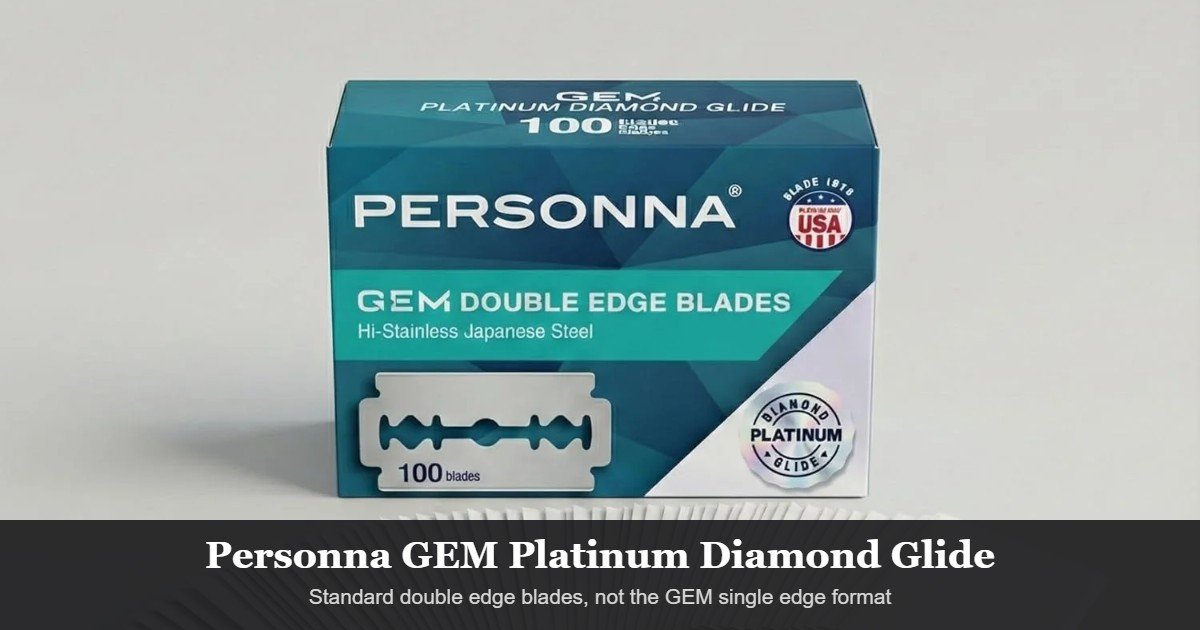
What the Personna GEM Platinum Diamond Glide actually is, what its carton says, and what wet shavers on both sides are saying.
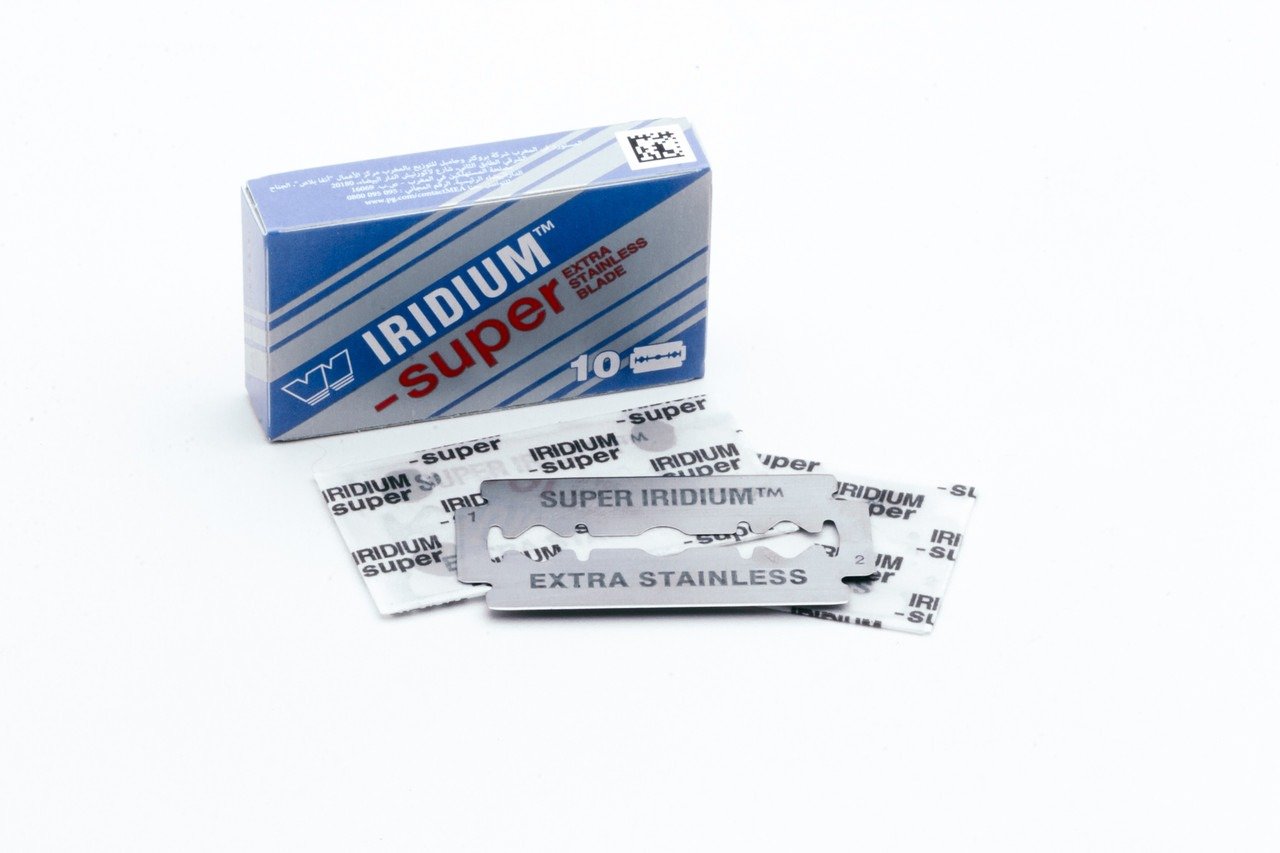
Wizamet Super Iridium has one of the most loyal followings in wet shaving. What experienced shavers actually say about it, where it is made, how it compares to Feather, Nacet and Astra, and why not everyone agrees.