
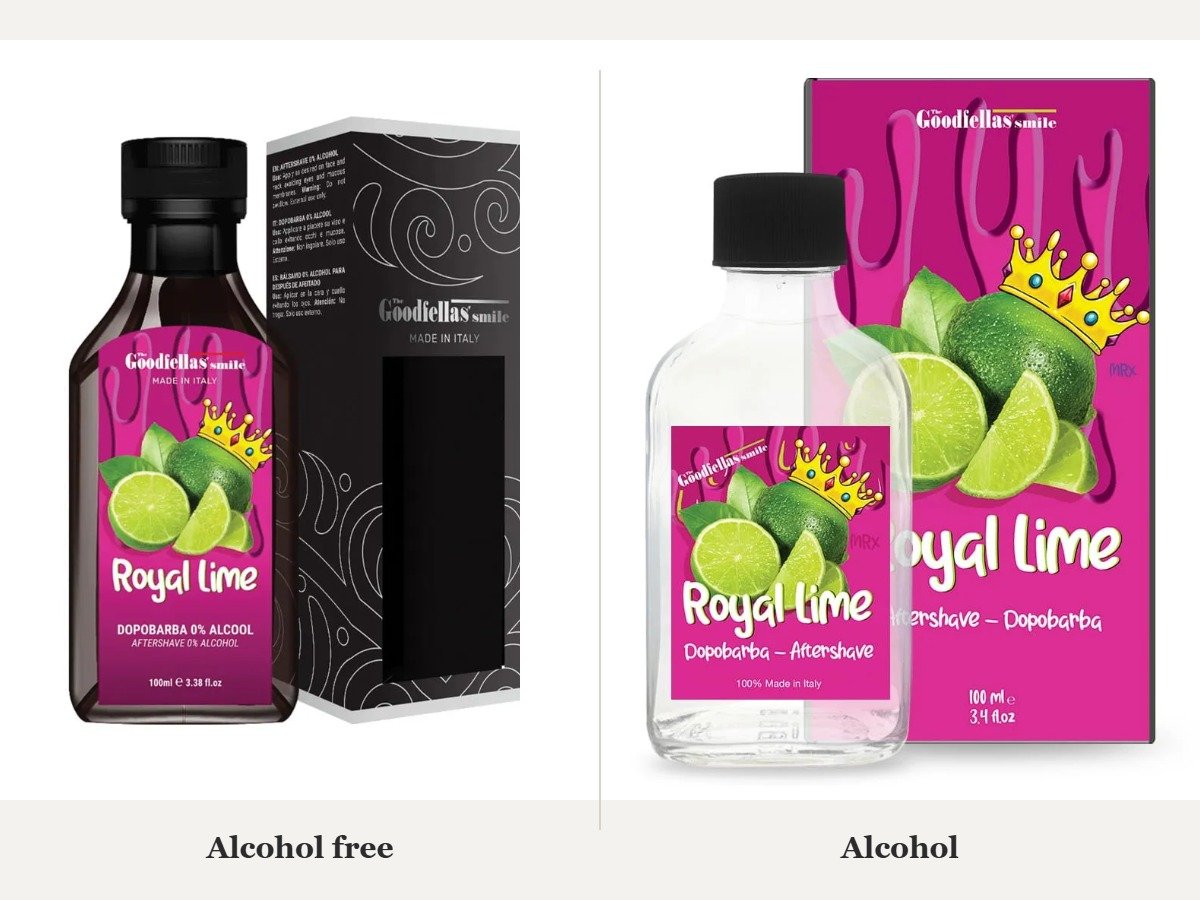
Alcohol vs Alcohol-Free Aftershave: How to Choose
The same Goodfellas scent made both ways, plus Taconic and Cella, and how to pick the finish that suits your shave.
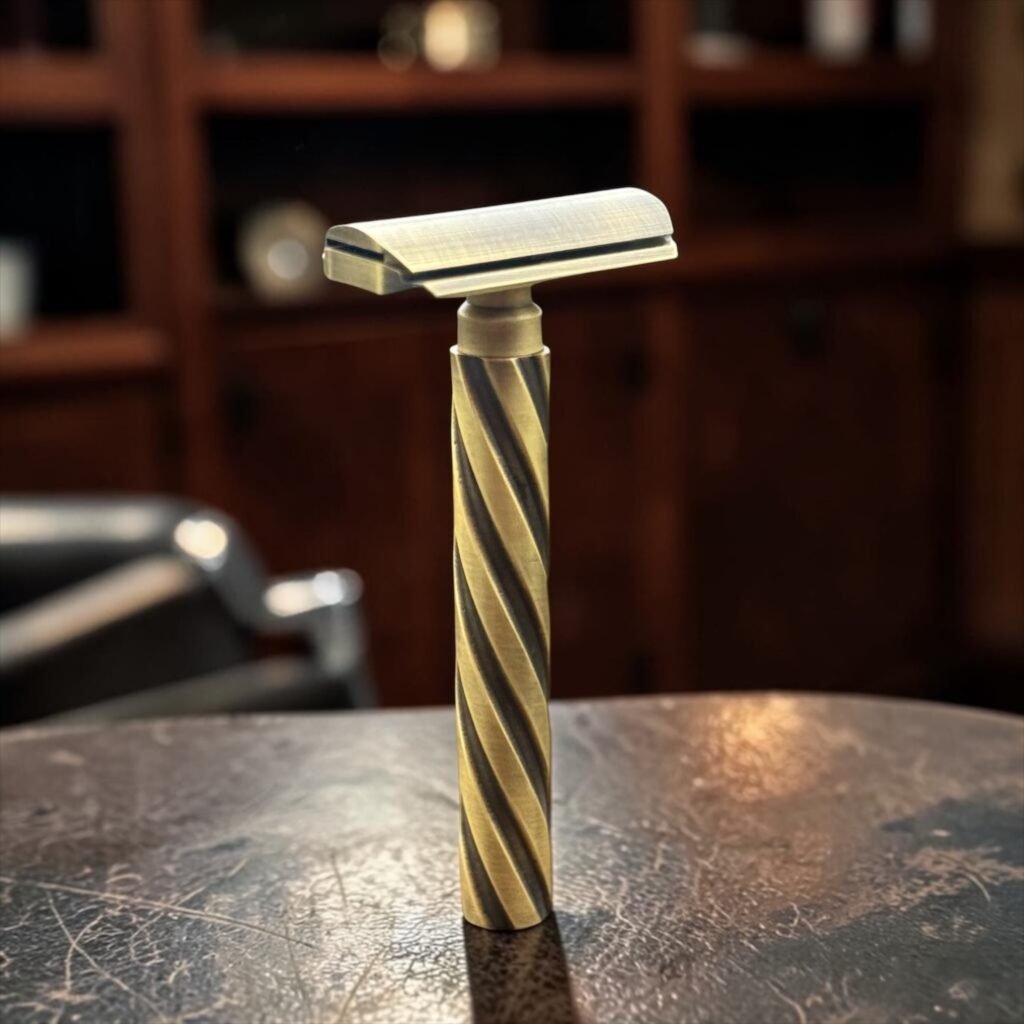
A double edge razor is one of the few grooming items that can genuinely last decades. Most of the ones that do not last are not worn out. They are corroded, pitted or stripped of plating because of small habits after the shave. None of this takes effort to get right.
Rinse the head under running water while the razor is still assembled, then take it apart and rinse again. Soap and cut hair collect in the gap between the blade and the cap, and that is exactly where water sits longest.
Then dry it. A quick pass with a towel, or a firm shake and a few minutes on a stand, is enough. What you are avoiding is a wet razor left closed in a humid bathroom for twenty four hours.
This matters more for some materials than others. Solid stainless razors tolerate neglect. Chrome or nickel plated zinc alloy razors do not: once water gets under a chip in the plating, the base metal corrodes and the plating lifts from underneath.
Most double edge blades are carbon or stainless steel with a very thin coating. That coating protects the edge, and it is only microns thick. Leaving a blade clamped in a wet razor head means the edge sits in trapped water between two pieces of metal, which is the fastest way to dull it.
If you take one habit from this article, take this one: after the shave, loosen the razor, rinse, and let the blade dry. Drying the blade between shaves is the single easiest way to get more comfortable shaves out of it.
Some people go further and dry the blade edge on a towel. Wiping along the edge, never across it, does no harm. Whether it does much good is debated, but drying it certainly does not hurt.
Once the blade is out, it needs somewhere to go that is not the bathroom bin. A sealed metal container is the whole answer, and our guide to disposing of used razor blades covers what to use and what to do with it when it fills up.
There is no universal number, and anyone who gives you one is guessing about your face. Beard coarseness, number of passes, how much stubble you are cutting and the blade brand all change the answer.
What is reliable is the signal. A blade is done when it starts tugging rather than cutting, when you need more passes for the same result, or when you notice irritation that was not there a few shaves ago. Change it then, not on a schedule.
Blades are the cheapest part of this hobby. Stretching one an extra three shaves to save a few cents is a poor trade against an uncomfortable shave. If you are not sure which brand suits you, a blade sampler is the cheapest way to find out, and our full double edge blade range covers everything from mild to very sharp.
Keep unused blades in their wrappers, in a dry place, away from the shower. The paper or wax wrapper is doing real work: it keeps humidity off the coating.
Bulk packs of a hundred are good value, but store them somewhere dry rather than on a bathroom shelf. A drawer in another room is fine. Kept dry and sealed, blades stay usable for a long time.
For used blades, a blade bank is worth having. It keeps loose edges out of the bin and collects them safely until it is full. There are several in our shaving accessories range.
Soap scum builds up in the knurling of the handle and around the blade slots. Warm water, a soft toothbrush and a little dish soap will remove almost all of it. Rinse thoroughly and dry.
Avoid abrasive pastes and metal polish on plated razors. Polishing compound removes plating along with the tarnish, and once it is gone it does not come back. Solid stainless razors can take a gentle polish, but even there it is rarely necessary.
Do not put a razor in a dishwasher, and do not soak a plated razor in vinegar or descaler. Both are effective at removing scale and equally effective at removing finish.
Rinse the brush thoroughly after every shave until the water runs clear, then squeeze gently, shake it out and stand it so the knot can dry. Soap left in the base of a knot is what makes brushes smell and what loosens the glue over time.
A stand helps here more than anywhere else, because it lets water drain away from the base instead of pooling in it. There are chrome, stainless and wooden options in our razor and brush stands.
Do not dry a brush with a hair dryer and do not stand it in a closed cabinet while it is still soaking. Both shorten its life for no benefit.
Keep spare blades in their wrappers and dispenser, in a dry place away from the shower. A blade loaded in the razor lasts longer if you take it out, or at least shake and dry the razor, after each shave.
Rinse it under hot water, shake it, and pat the head with a towel. With a three piece razor, open it and let the parts air dry; with a butterfly razor, leave the doors open for a few minutes.
Do not leave water sitting on the razor or blade, store it outside the shower, and dry carbon steel blades especially well. Stainless razors and blades resist rust well in normal use.
None of this is complicated. Rinse, dry, take the blade out, keep spares somewhere dry. Do that and a well made razor will outlast the person who bought it.
What you need to keep your gear in shape:
How much cleaning a razor asks of you depends on its design. A butterfly has a mechanism inside the handle, a three piece comes fully apart, and the trade-offs are set out in butterfly vs three piece safety razors. Blade life varies more by brand than most people expect, which is worth testing with a blade sampler before buying a hundred of anything. New to all of it? Start with how to choose your first safety razor.
The post-shave step has its own hardware to look after. Our guide to alum block vs aftershave splash covers what each one is for and how to keep both in good condition.
The same Goodfellas scent made both ways, plus Taconic and Cella, and how to pick the finish that suits your shave.
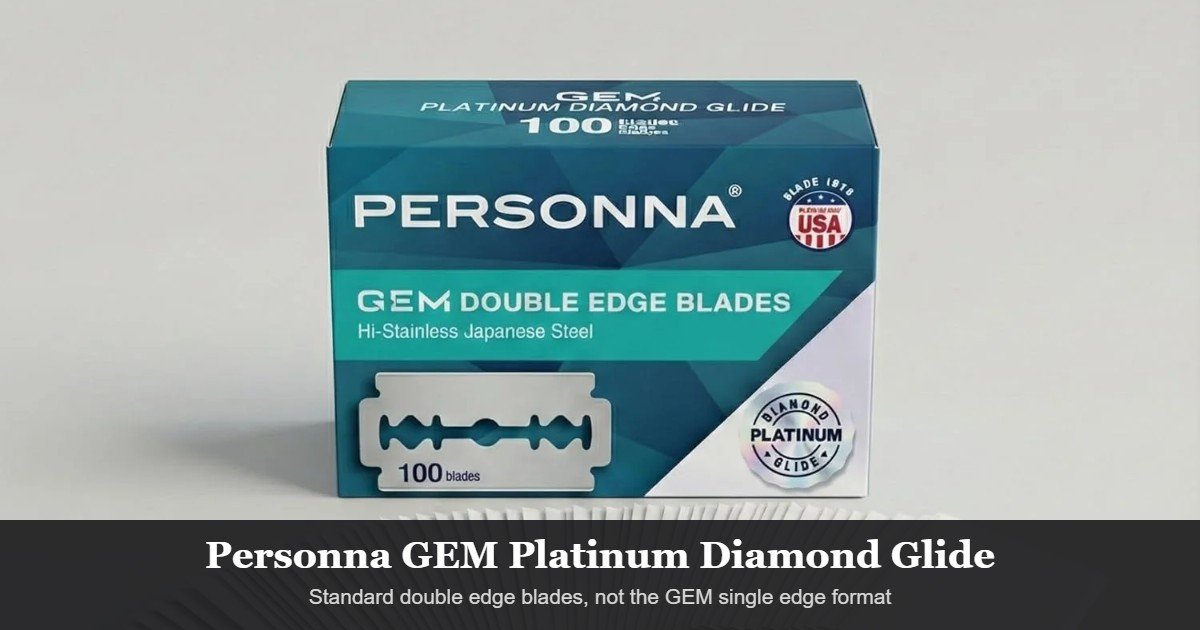
What the Personna GEM Platinum Diamond Glide actually is, what its carton says, and what wet shavers on both sides are saying.
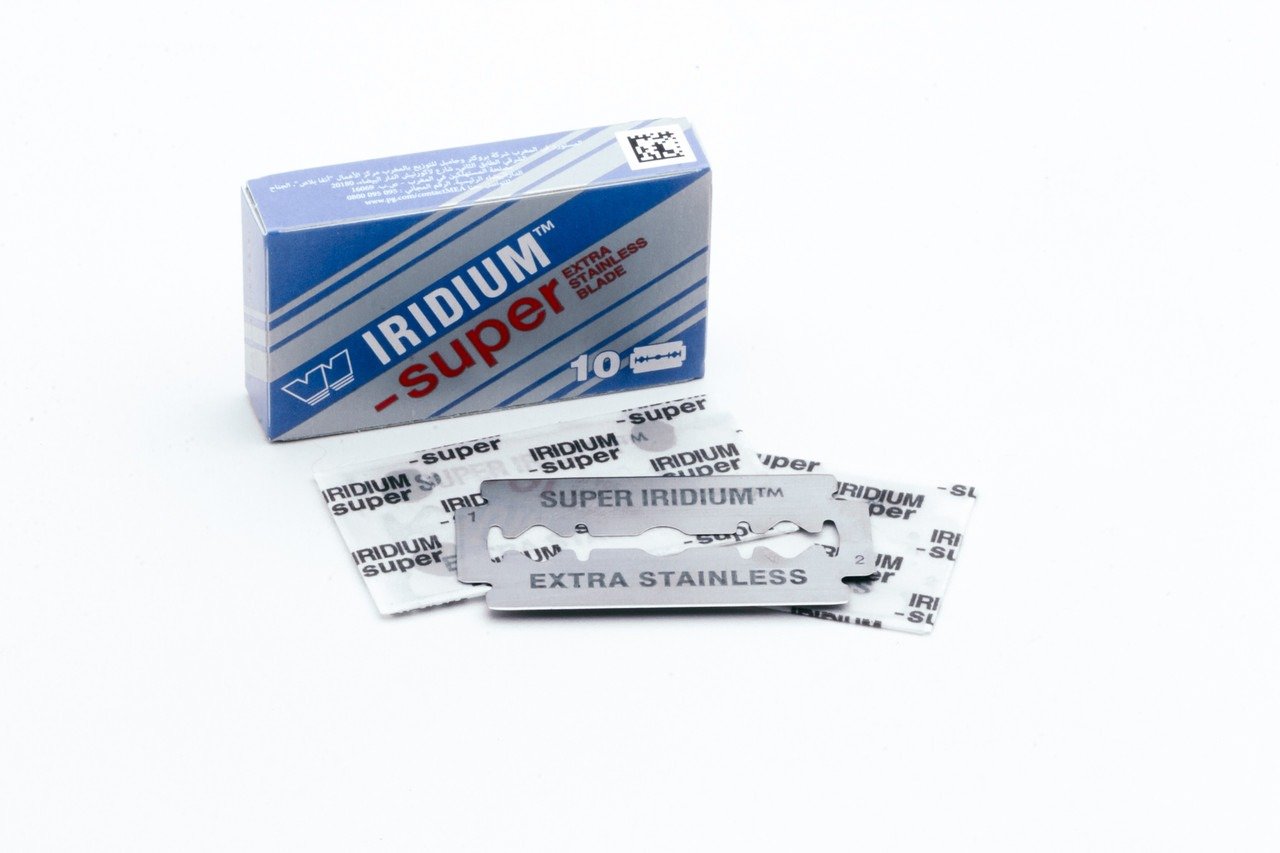
Wizamet Super Iridium has one of the most loyal followings in wet shaving. What experienced shavers actually say about it, where it is made, how it compares to Feather, Nacet and Astra, and why not everyone agrees.